About Hippolais polyglotta (Vieillot, 1817)
Size and Related Species
This is a medium-sized warbler, measuring 12 to 13 cm (4.7 to 5.1 in) in length, and it is similar to its closely related eastern counterpart, the icterine warbler (Hippolais icterina).
Adult Plumage
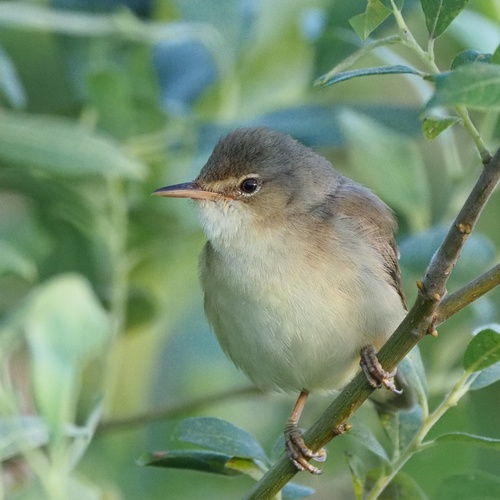
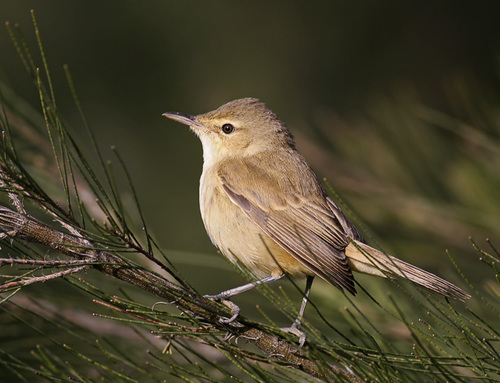
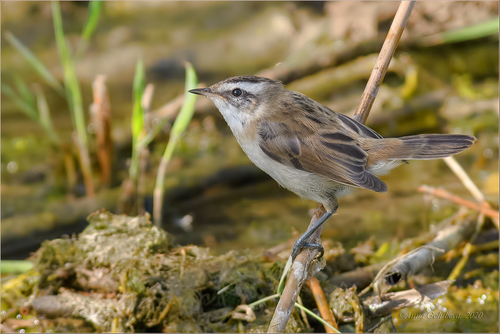
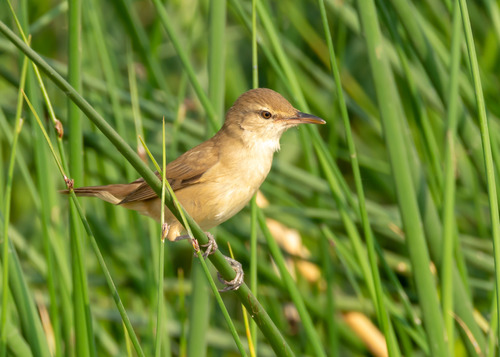
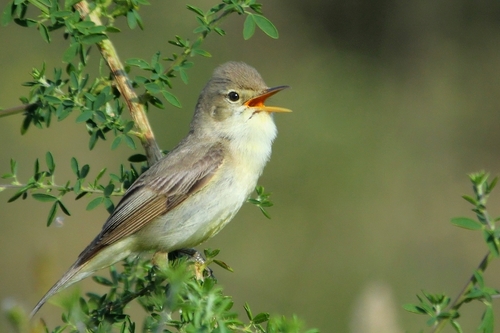
Adult melodious warblers have plain brown backs and wings, with yellowish underparts. When compared to the icterine warbler, this species has browner upper parts and yellower under parts.
Physical Features
It has a strong, pointed bill and brown legs. As with most warblers, the sexes are identical in appearance, while young birds have paler bellies than adults.
Primary Song Characteristics
The song of the melodious warbler is a pleasant babble. It is more fluent and sustained than the icterine warbler's song, but much less varied, and does not include mimicked sounds.
Other Vocalizations
Other vocalizations made by this species include a rattling "trrrr" that resembles the call of a house sparrow, a quiet "tuk", and a chattering "chret-chet".
Migratory Status
The melodious warbler is a migratory species.
Breeding and Wintering Range
It breeds in Western Europe and North Africa, and overwinters in West Africa south of the Sahara Desert. Its breeding range extends east from the Iberian Peninsula to Germany and Italy.
North African Breeding Range
In northern Africa, it breeds in Western Sahara, Mauritania, Algeria, Morocco and Tunisia.
Habitat Preferences
Its typical habitats are bushy woodland, forest edges, thickets, riverside vegetation, orchards and gardens.
Diet
Like most warblers, the melodious warbler is mainly insectivorous, but it will also eat other small food items including berries.
Reproduction
It lays three to five eggs in a nest built from fine grasses, stems, soft twigs, flakes of bark and lichen.