About Acrocephalus australis (Gould, 1838)
Body Size and Build
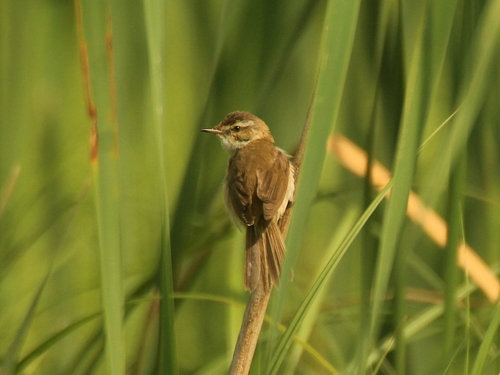
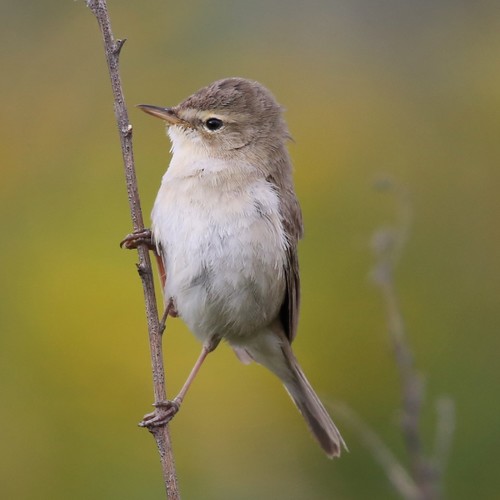
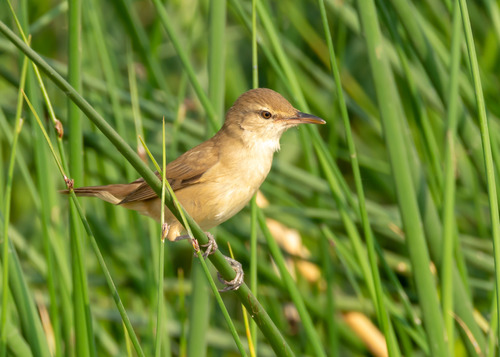
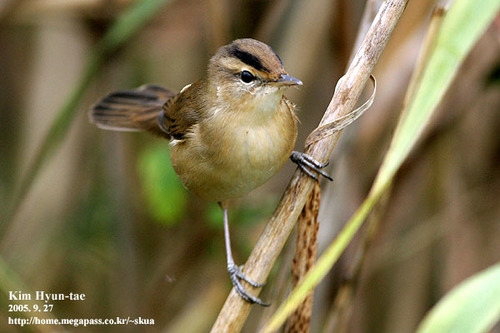
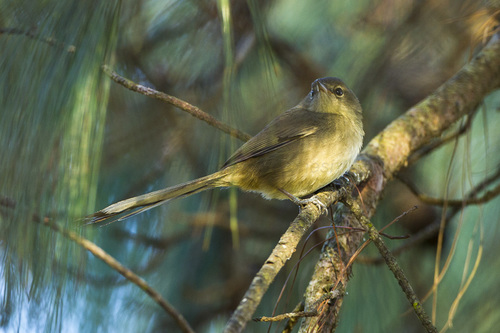
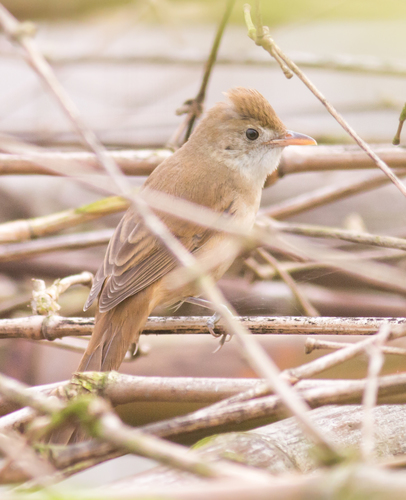
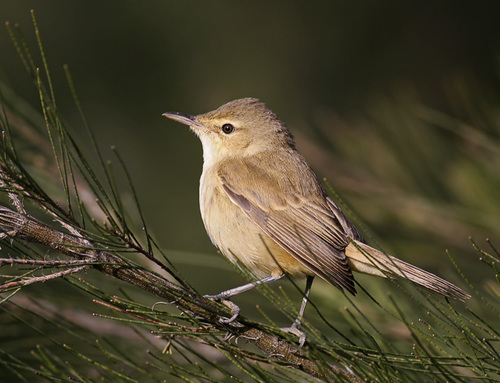
This species measures 15–18 cm in length, with a long, slender, plain overall build and drab brown plumage that changes appearance as it wears. The wing tips do not reach the uppertail-coverts, making the wings look short.
Beak Characteristics
Its beak is long and thin, measuring 17–23 mm, slightly decurved, and has a small hook at the tip. Compared to the short, feathered tibia, the tarsus and feet are long.
Sexual Dimorphism
Males and females are monomorphic, meaning they have identical plumage.
Fresh Plumage Upperparts
When plumage is fresh, birds have russet brown coloring from the crown down to the back. The uppertail-coverts are rufous, the tail is 51–71 mm long, the underparts and belly are a duller rufous brown than the back, and the chin and throat have white plumage.
Head Markings
An indistinct pale brown supercilium runs from near the bill to the midpoint of the ear-coverts. Crown feathers are slightly elongated, and are often raised to form a crest when the bird sings.
Juvenile Plumage
Juveniles look very similar to adults, but have yellowish-brown uppertail-coverts and underparts.
Worn Plumage Changes
When plumage wears, the rump and uppertail-coverts become duller, the upperparts gain a grey or olive tinge, the underparts fade and blend into the paler throat plumage, and the supercilium fades to white.
Habitat Range
Australian reed warblers (Acrocephalus australis) inhabit a wide range of natural and man-made wetlands, including fresh, brackish, and saltwater environments.
Wetland Vegetation Use
They frequent dense vertically structured vegetation such as reeds (Phragmites), reedmace (Typha), and rushes (Juncus) in both breeding and non-breeding seasons, and are often seen perched sideways midway along a reed stem.
Foraging Habitats
This species is occasionally found foraging in shrublands and riparian woodlands surrounding water bodies.