About Chaetodipus fallax (Merriam, 1889)
Common Name and Distribution
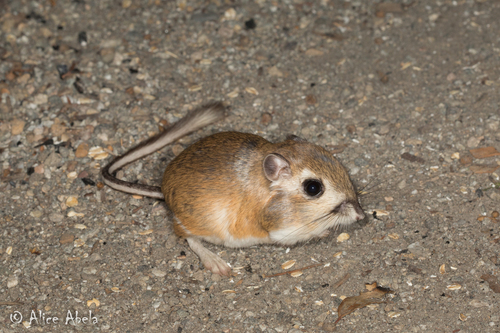
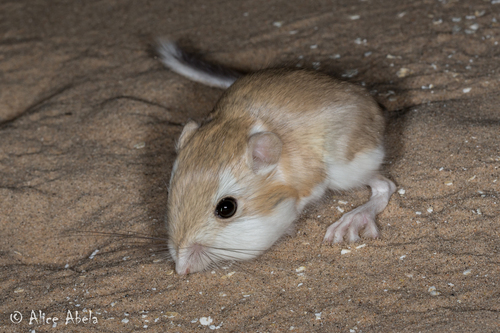
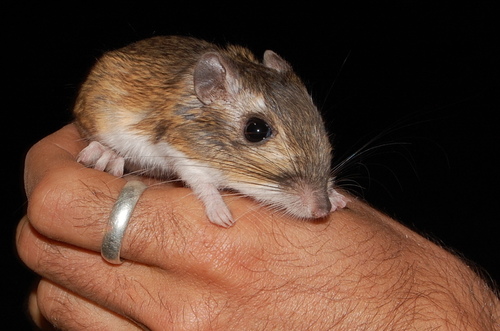
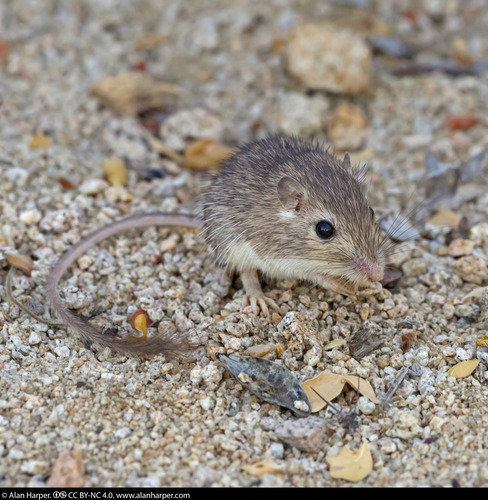
Chaetodipus fallax, commonly called the San Diego pocket mouse, is found in the northern part of Baja California, Mexico, in the region extending near San Diego. This is a moderately sized mouse.
Pelage Coloration
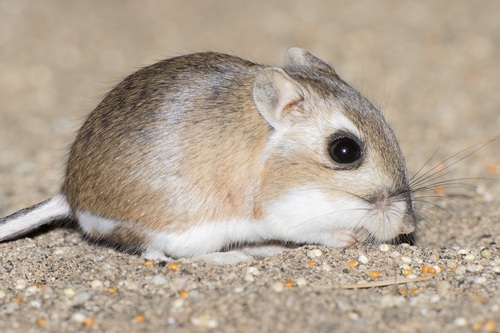
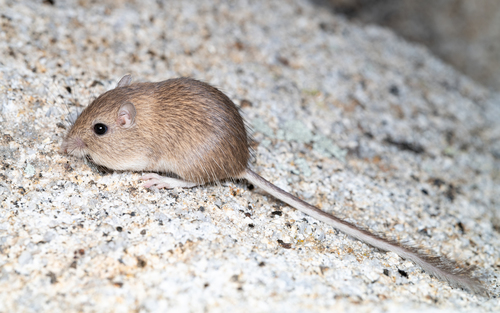
Its upper body is covered in dark brown fur, and its underside has white fur.
Size and Weight
It has a total length between 170 and 200 mm, and an approximate weight of 17 to 22 grams.
Physiology and Dentition
It is a homeothermic endotherm, and has both hypsodont and lophodont teeth.
Sympatric Related Species
The closely related species C. californicus shares the same habitat as the San Diego pocket mouse.
Home Range Size
Male San Diego pocket mice typically have a home range of 3,500 square metres (38,000 sq ft), while females have a smaller home range of 2,500 square metres (27,000 sq ft).
Territorial Behavior
The species defends its territories to keep intruders out of its habitat; this defense is not used against potential mates during the breeding season.
Home Range Habitat Components
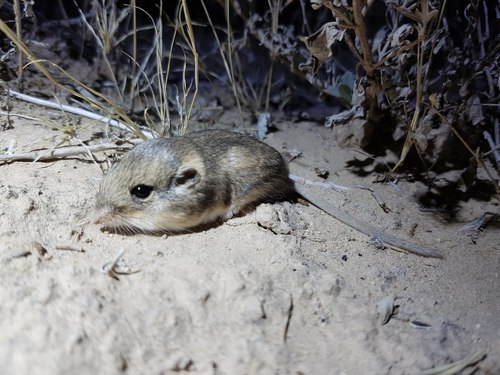
Typical home ranges include rocks, sand, and herbaceous vegetation that provides cover. Common plants found in this species' habitat include Yucca and desert scrub.
Social Structure
The San Diego pocket mouse is usually solitary, which has made studying its reproductive behavior challenging.
Mating Season
While many individuals mate in spring, some individuals mate at any time of year. Reproduction can happen between one and three times per year.
Reproductive Correlates
There is clear evidence that this species' reproductive events correlate with rainfall.
Litter Size and Gestation
The average litter size is 2 to 6 young, and the average gestation period lasts between 24 and 26 days.
Parental Care
Females are the primary caregivers for their offspring; they nurse the young and protect them inside their burrows.