About Carinascincus ocellatus (Gray, 1845)
Scientific Nomenclature
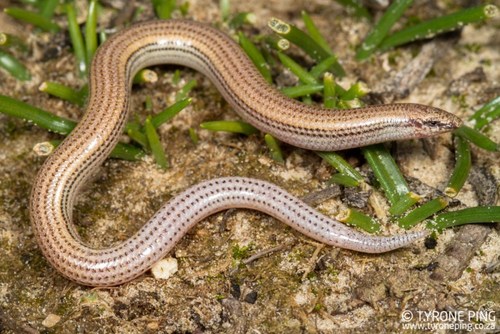
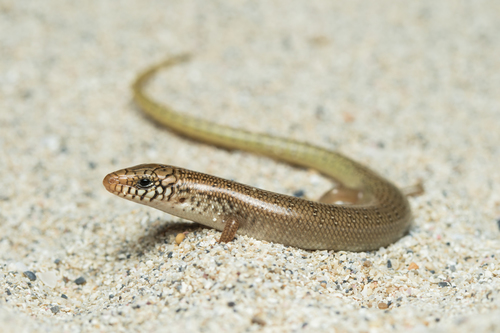
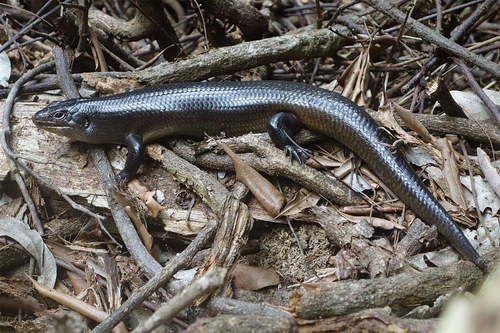
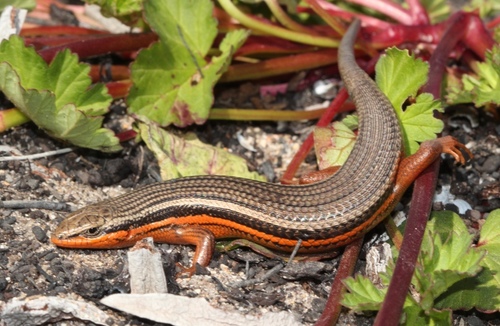
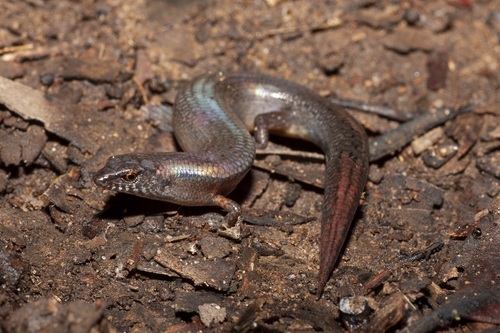
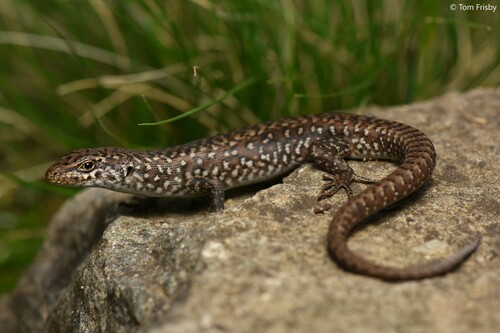
The spotted skink, scientifically named Carinascincus ocellatus, is sometimes referred to as the ocellated cool-skink or ocellated skink.
Endemic Range
This species of skink is endemic to Tasmania, Australia.
General Biological Traits
It is a ground-dwelling, viviparous species that typically inhabits rocky environments.
Geographic Distribution
It is widespread across northern and eastern Tasmania, and also occurs on the eastern Bass Strait islands.
Recorded Site
It is frequently encountered at Arthurs Lake in Tasmania’s Central Highlands.
Altitudinal Gradient Impacts
Populations of spotted skink are distributed along an altitudinal gradient, and differences in thermal conditions across this gradient impact the species’ body temperature regulation and reproductive activity.
Low-Mid Altitude Thermal Traits
Spotted skinks at low to mid altitudes can reach their optimal body temperature throughout the year.
Low-Mid Altitude Reproductive Cycle
For these individuals, vitellogenesis and ovulation mostly occur in spring, and gestation takes place in summer.
High Altitude Thermal Traits
By contrast, spotted skinks living at higher, subalpine altitudes have difficulty maintaining their preferred body temperature during autumn, and these skinks typically undergo ovulation and parturition one month later than other members of the species.