About Bradypodion damaranum (Boulenger, 1887)
Common Name and Tail Trait
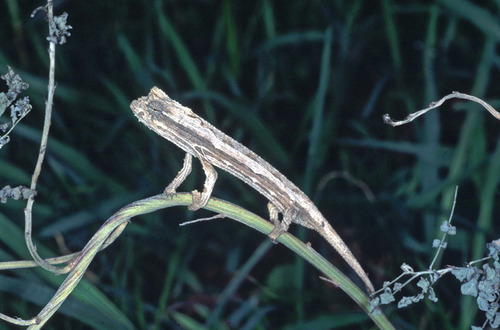
This species, commonly known as the Knysna dwarf chameleon, has the longest tail among all species in the genus Bradypodion.
Tongue Structure
Like most chameleons, its tongue is twice the length of its body, and can be projected out of the mouth using a specialized jaw muscle.
Feeding Adaptation
This adaptation lets the chameleon catch insects from some distance away.
Head and Coloration
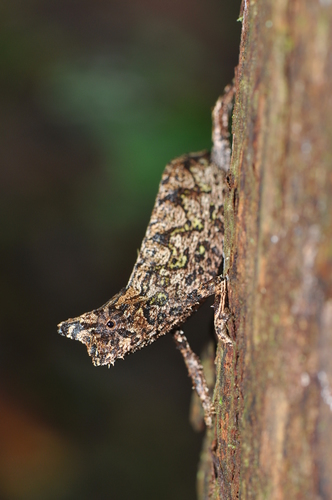
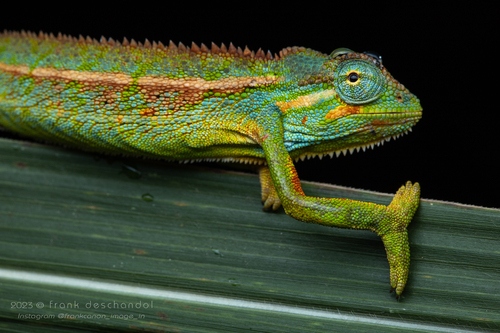
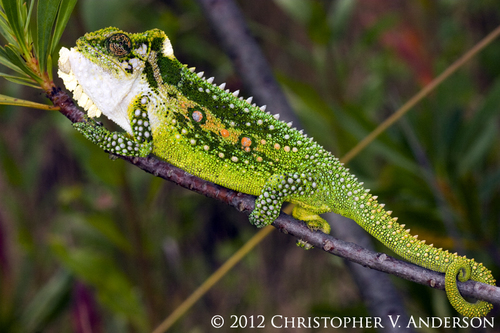
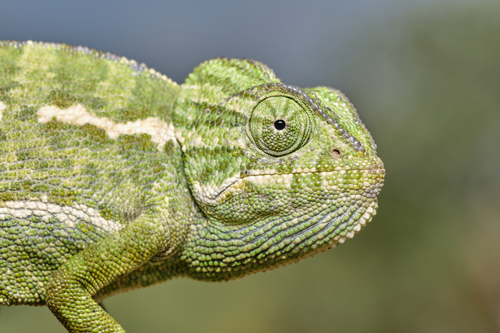
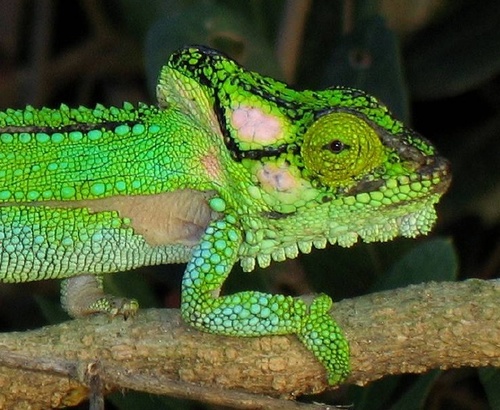
The Knysna dwarf chameleon has a prominent casque, with bright green to bluish base skin marked by purple, yellow, and pink hues.
Size
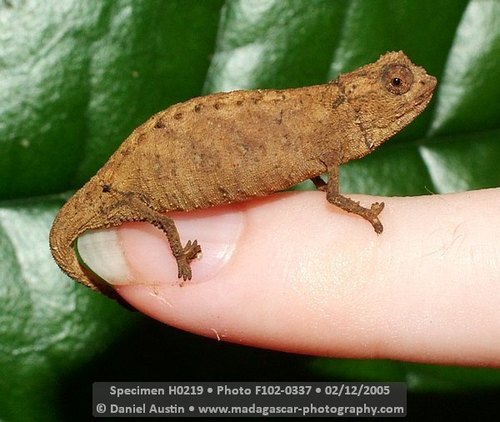
It reaches a maximum total length of 180 mm (7.1 in).
Distribution
This chameleon is distributed across south-facing slopes of the Outeniqua and Tsitsikamma Mountains, extending down to the coast in the eastern part of the Western Cape and the western part of the Eastern Cape.
Habitat
Its typical native habitats are Fynbos and Afromontane Forest, and it is often found living in gardens.