About Anaxyrus terrestris (Bonnaterre, 1789)
Common Name and General Build
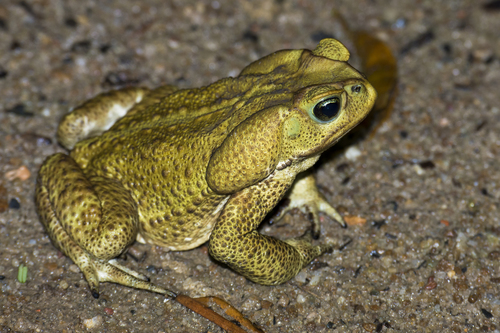
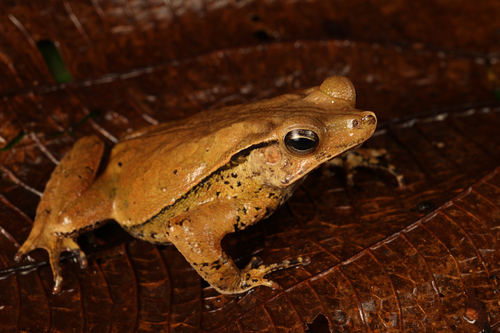
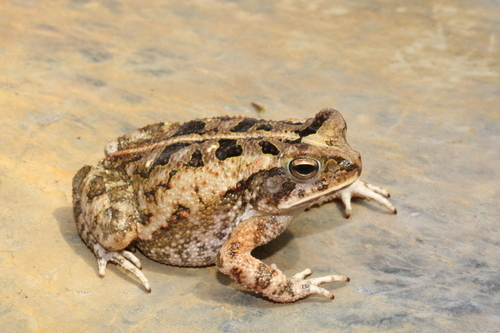
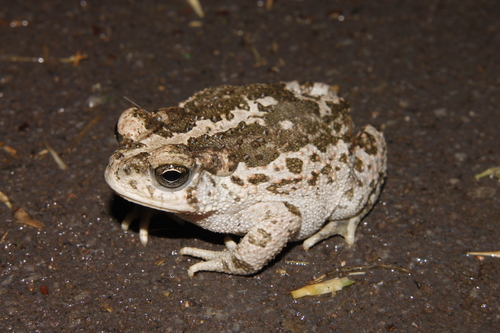
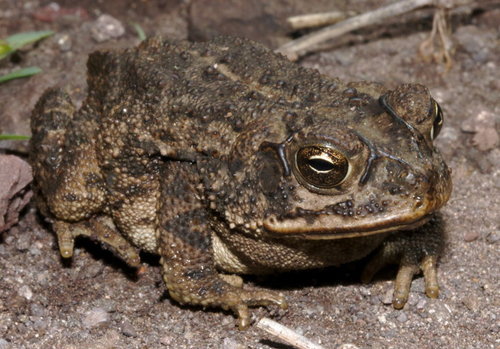
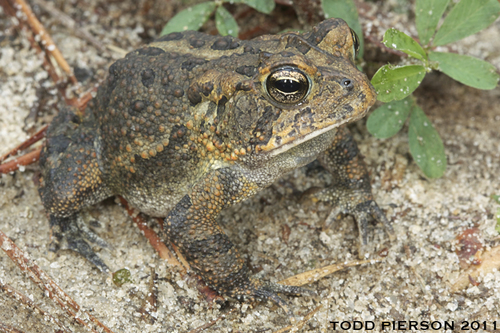
Anaxyrus terrestris, commonly known as the southern toad, is a medium-sized, plump toad species.
Size and Sexual Dimorphism
Females grow slightly larger than males, with a maximum snout-to-vent length of 92 mm (3.6 in).
Distinctive Head Features
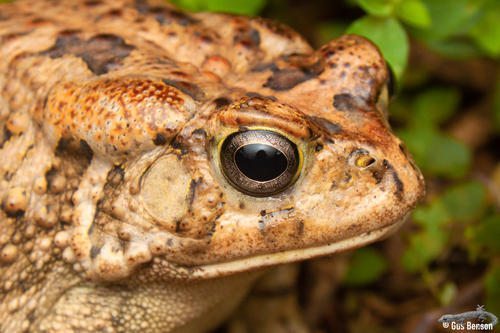
Its most distinct identifying features are head knobs and backward-pointing spurs that reach as far as the paratoid glands.
Dorsal Skin Texture
The dorsal (back) surface is covered in warts, some of which may be spiny.
Coloration
The color of the head, back, and sides ranges from brick red to mottled grey, brown, and black; the underparts are pale, and sometimes have dark spots on the chest.
Main Geographic Range
The southern toad occurs on the coastal plain of the southeastern United States, with a range extending from southern Virginia to Florida and Louisiana.
Isolated Populations
There are also two isolated populations on the Piedmont plateau and the Blue Ridge Mountains in South Carolina.
Habitat Generalism
It is a habitat generalist, found in many different areas including fragmented landscapes and suburban regions.
Breeding Migration
Breeding begins in spring, when males migrate from upland habitats to lowland breeding sites: pools, ditches, swamps, and lake margins.
Breeding Season Timing
The breeding season usually runs from early March to late May, and occasionally continues as late as September.
Breeding Choruses
Heavy rain triggers large numbers of males to congregate and call, forming breeding choruses.
Egg Clutch Size
Each female lays a clutch of between 1,704 and 16,537 eggs.
Tadpole Development and Metamorphosis
After the eggs hatch, tadpoles take 30 to 55 days to develop before metamorphosing into juvenile toads that are about 1 cm (0.4 in) long.
Tadpole Diet
Tadpoles feed on algae, which they scrape from underwater vegetation.
Adult Diet
Adult southern toads are carnivorous, and feed on any small invertebrates they are able to catch.
Salinity Effects on Development
When tadpoles develop in environments with elevated saline levels, they are smaller and less active, undergo metamorphosis later, and remain smaller when they reach adulthood.