About Verbascum densiflorum Bertol.
Classification and Native Range
Verbascum densiflorum, commonly known as dense-flowered mullein, is a biennial or short-lived perennial plant that belongs to the Scrophulariaceae family. Native to Europe and Asia, it has also been introduced and naturalized in North America.
Size and Basal Foliage
The plant can grow between 1 to 2 meters tall and features a basal rosette of large, hairy leaves that can reach up to 30 cm in length.
Stem Characteristics
Its stem is erect, stout, and densely covered with hairs.
Flower Arrangement
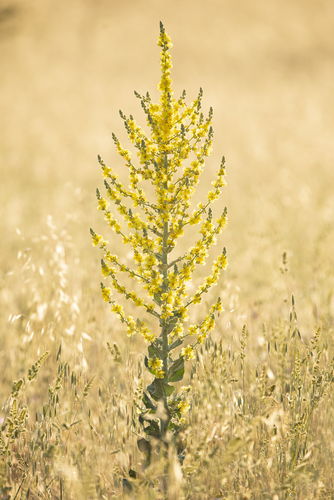
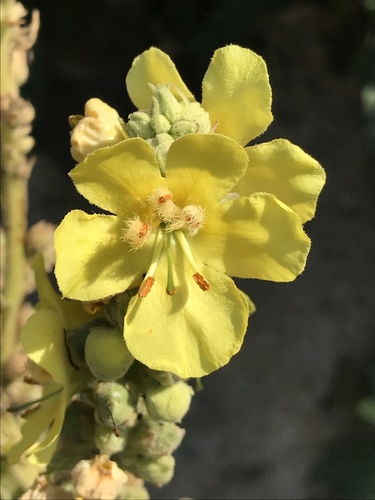
The flowers of Verbascum densiflorum are arranged in dense spikes at the top of the stem.
Flower Appearance
They are yellow with five petals that have purple or brown markings at their base.
Blooming Period
The flowers bloom from June through August.
Soil and Sun Requirements
The plant prefers well-drained soils in full sun but can tolerate some shade and poor soils.
Common Habitats
It is commonly found growing along roadsides, fields, meadows, and disturbed areas.
Medicinal Uses
Verbascum densiflorum has been used for medicinal purposes for centuries due to its anti-inflammatory properties, making it useful for treating respiratory ailments such as coughs and bronchitis.
Garden Appeal
Overall, Verbascum densiflorum makes an attractive addition to any garden due to its tall stature and bright yellow blooms, which attract pollinators such as bees and butterflies.
Landscaping Value
It is an excellent choice for gardeners seeking a low-maintenance yet visually appealing addition to their gardens or landscapes.