About Varanus giganteus (Gray, 1845)
Species Identity
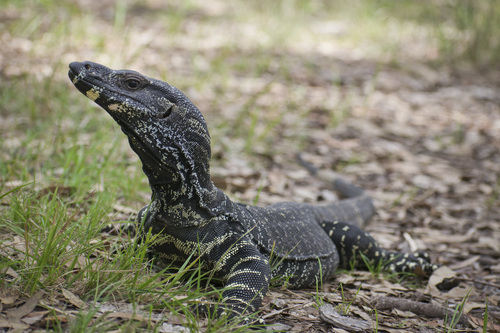
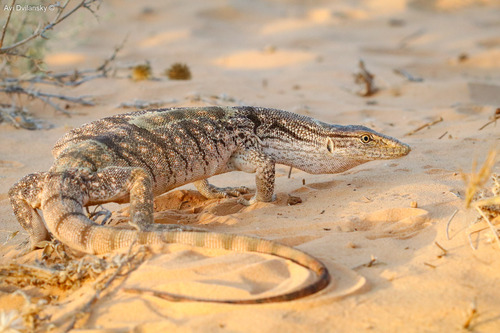
Perenties (Varanus giganteus) are the largest living lizard species native to Australia.
Size Specifications
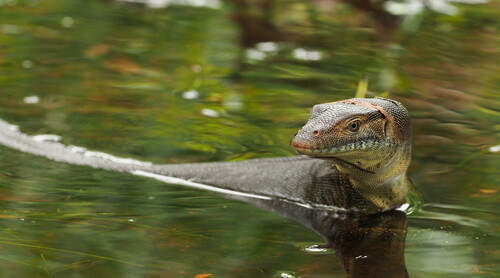
They can reach lengths of 2.5 meters (8 feet 2 inches) and weights of up to 20 kilograms (44 pounds), and there are reports they may grow as large as 3 meters (9 feet 10 inches) and 40 kilograms (88 pounds). This size range makes perenties the fourth-largest living lizard species in the world; only the Komodo dragon, Asian water monitor, and crocodile monitor grow larger than them.
Body Build
Compared to other large monitor lizards, perenties have a very lean build. At the same body length, perenties are significantly less bulky than rock monitors.
Geographic Distribution
Perenties live in arid desert regions across Western Australia, South Australia, the Northern Territory, and Queensland.
Preferred Habitat
Their preferred habitats include rocky outcrops, gorges, areas with hard-packed soil, and areas with loose stones.
Human Avoidance Tendency
Perenties generally avoid contact with humans, and often retreat before people can spot them.
Digging and Climbing Abilities
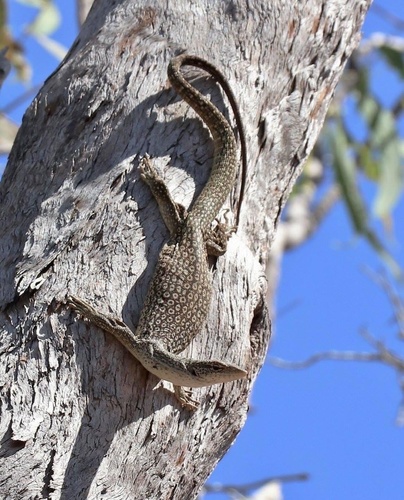
They are skilled diggers, and can excavate a shelter burrow in just minutes. Their long claws let them climb trees easily.
Tripoding Behavior
Perenties often stand on their back legs and tails to get a clearer view of the area around them. This behavior is called "tripoding", and it is common across many monitor lizard species.
Locomotion Capabilities
Perenties are fast sprinters, and can run using either all four legs or just their hind legs.
Initial Threat Response
Like most goannas, perenties respond to being detected by either freezing – lying flat on the ground and holding still until danger passes – or running away.
Cornered Defense Tactics
If they are cornered, this powerful carnivore will stand its ground and defend itself using its claws, teeth, and whip-like tail. It can inflate its throat and hiss as a defensive or aggressive display, and can strike at opponents with its muscular tail.
Attack and Bite Effects
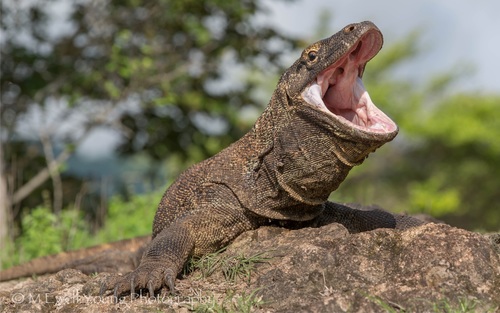
It may also lunge forward with an open mouth, either as a bluff or as an attack. A bite from a perentie can cause significant damage, both from the animal's teeth and from its oral secretions.