About Thalictrum simplex L.
Classification and Native Habitat
Thalictrum simplex, commonly known as meadow rue, is a herbaceous perennial plant in the Ranunculaceae family. Native to North America, it is typically found in moist meadows, woodlands, and along stream banks.
Growth Form
The plant generally grows to a height of 3-4 feet and has a clump-forming habit with multiple stems arising from a single base.
Foliage Characteristics
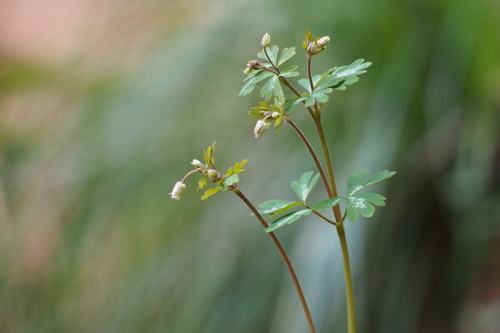
The compound leaves consist of 3-5 finely divided leaflets, giving them an airy appearance.
Flower Appearance
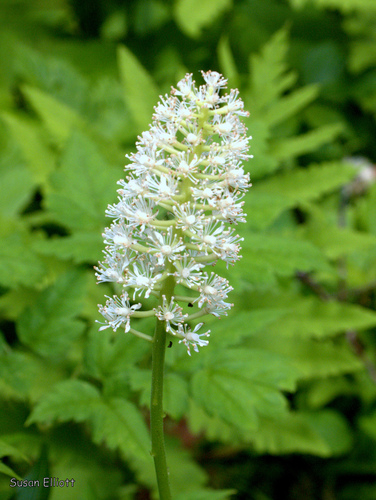
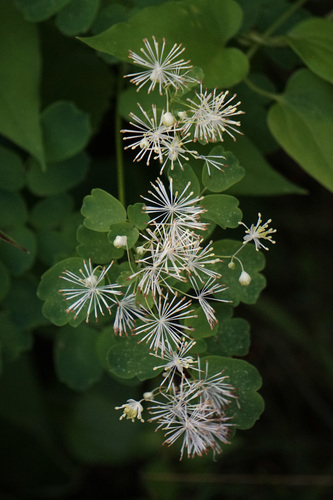
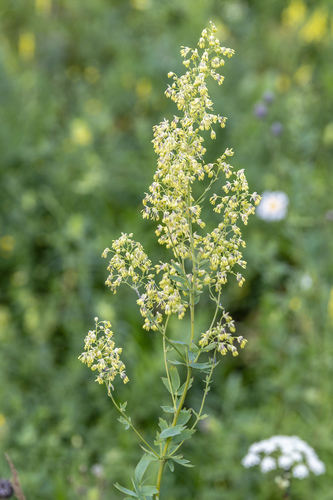
The flowers of Thalictrum simplex are small but numerous, forming large clusters at the top of each stem. Lacking petals, the flowers feature numerous stamens that create a fluffy appearance.
Blooming Period and Pollinator Value
Blooming in late spring or early summer, these flowers attract bees, butterflies, and other pollinators.
Cultivation Requirements
Thalictrum simplex is easy to grow, thriving in moist soil but capable of tolerating some drought once established. It performs well in both partial shade and full sun, depending on its location within its native range.
Traditional Medicinal Use
Historically, Native Americans have used Thalictrum simplex for medicinal purposes, treating ailments such as fever, coughs, and colds.
Toxicity Note
However, it is important to note that the plant may be toxic if ingested in large quantities.
Garden Ornamental Value
Overall, Thalictrum simplex is an attractive addition to any garden. Its delicate foliage texture and showy blooms make it a standout during the flowering season, while its ecological benefits, such as attracting pollinators, enhance the diversity of your garden space.