About Senna multijuga (Rich.) H.S.Irwin & Barneby
Growth and Size
Senna multijuga (Rich.) H.S.Irwin & Barneby is most commonly a tree that typically reaches a maximum height of 10 m (33 ft). In some cases it can grow as tall as 40 m (130 ft), and it may also flower early while it is still a shrub only 2 m (6 ft 7 in) high.
Leaf Structure
Its leaves are pinnate, with 10 to 37 pairs of leaflets ranging from linear to elliptic in shape. The leaflets are 15–45 mm (0.59–1.77 in) long and 8–10 mm (0.31–0.39 in) wide.
Stipules and Glands
At the base of each leaf are linear or bristle-like stipules that measure 4–12 mm (0.16–0.47 in) in length. A pair of glands grows between the lowest pairs of leaflets, but these glands fall off as the leaves open.
Inflorescence Arrangement
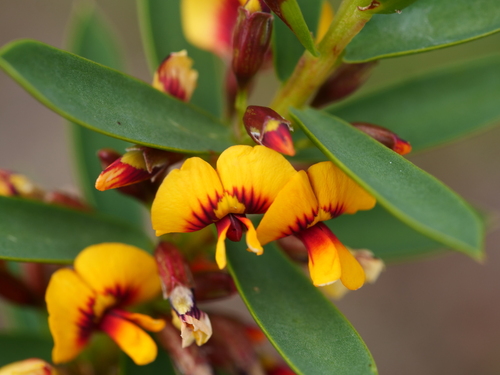
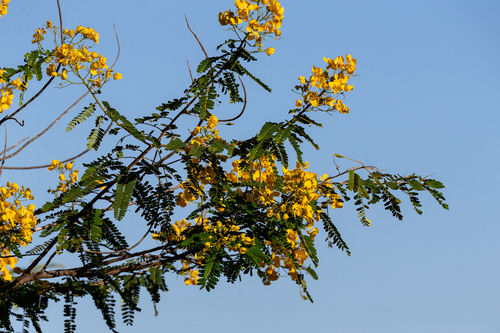
The species produces yellow flowers, which are arranged at the ends of branchlets in racemes that hold three to sixteen panicles. The lowest panicles in each raceme have at least five flowers each.
Flower Stalks
Each panicle grows from a peduncle that is 10–45 mm (0.39–1.77 in) long, and each individual flower sits on a pedicel 13–32 mm (0.51–1.26 in) long.
Petal and Stamen Features
The five petals of each flower are 7–21 mm (0.28–0.83 in) long, and all petals differ in size from each other. There are seven fertile stamens, which vary in length from 4.5 to 9 mm (0.18 to 0.35 in), alongside three tiny staminodes.
Flowering Period
Flowering occurs from late summer to early autumn.
Fruit Characteristics
The fruit is a broadly linear pod that is 65–200 mm (2.6–7.9 in) long and 13–25 mm (0.51–0.98 in) wide. The pod holds 30 to 60 flattened seeds that are each about 6 mm (0.24 in) long.
Habitat Preferences
In terms of distribution and habitat, Senna multijuga grows in disturbed forest, along watercourses, and in gallery forest within savannah.
Native Range
It is native to northern South America, and its native range may also include Mexico.
Naturalised Distribution
It has become naturalised in many other countries across the world, including India, parts of Southeast Asia, parts of Africa, New Guinea, and Australia.
Australian Distribution
In Australia, the species is only found in the areas of Bellingen and Thora.