About Salvia pentstemonoides Kunth & C.D.Bouché
Habitat
Salvia pentstemonoides typically grows on limestone rock along seeps or creeks.
Height and Stem
It can reach up to 5 feet tall, with square stems.
Leaf Arrangement
It often produces long basal leaves in addition to opposite stem (cauline) leaves.
Leaf Appearance
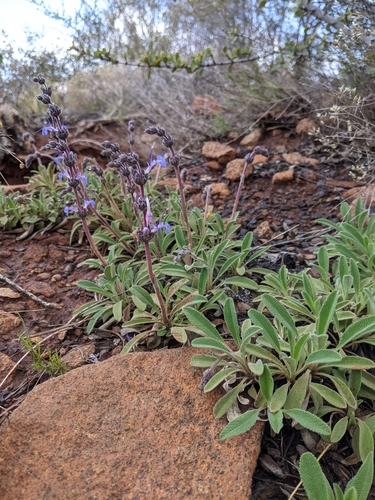
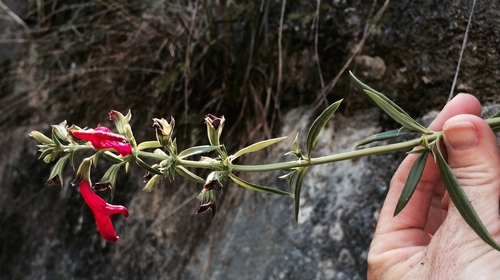
Its leaves are mistletoe-green, lance-shaped, and grow in a basal rosette.
Inflorescence Structure
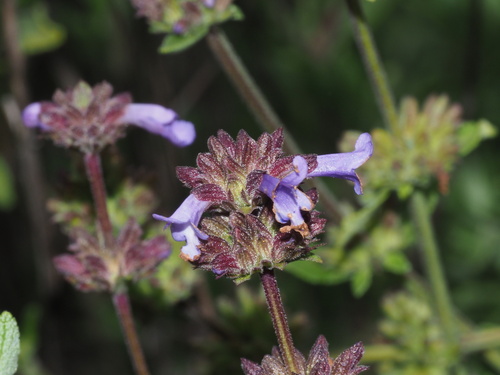
Numerous flowering stalks emerge from this rosette, forming 8–12 inch long inflorescences that hold whorls of loosely arranged flowers.
Flower and Calyx Appearance
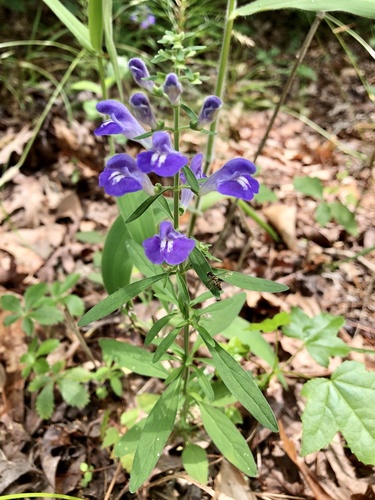
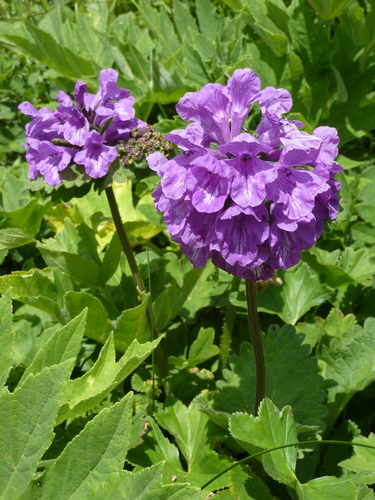
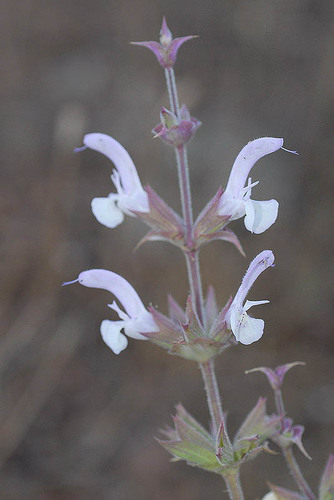
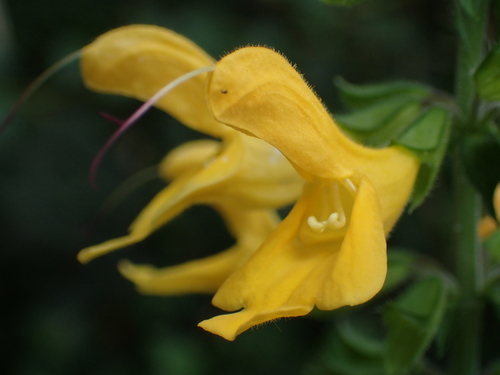
The flowers are 1 inch long and beetroot-purple, enclosed in a 0.5-inch red wine-colored calyx.
Organoleptic Properties
The flowers of this species are edible, and brushing or rubbing the leaves releases a lemon-lime scent similar to Sprite or 7 Up.
Cultivation Soil Requirements
When grown in cultivation, Salvia pentstemonoides prefers fast-draining soil with added limestone or ground oyster shells.
Light Requirements
It grows best with morning sun and high shade, but it will also grow well in full sun in regions with high humidity.
Water Requirements
It also prefers deep weekly watering.
Cold Hardiness
This plant is hardy to approximately 20 °F (−7 °C).
Propagation Methods
It is easily propagated from seed; propagation via cuttings is possible, and clumps can be divided if the process is done carefully.
Faunal Associations
It attracts hummingbirds and butterflies.