About Rhynchotus rufescens (Temminck, 1815)
Taxonomic Naming
The red-winged tinamou, Rhynchotus rufescens (Temminck, 1815), measures 39–42.5 cm (15.4–16.7 in) in total length.
Body Size and Weight
Males weigh 700–920 g (25–32 oz), while females are slightly heavier at 815–1,040 g (28.7–36.7 oz).
Plumage Coloration
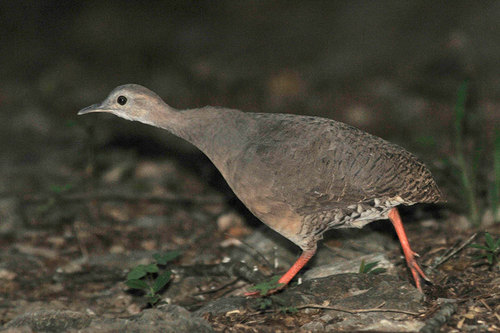
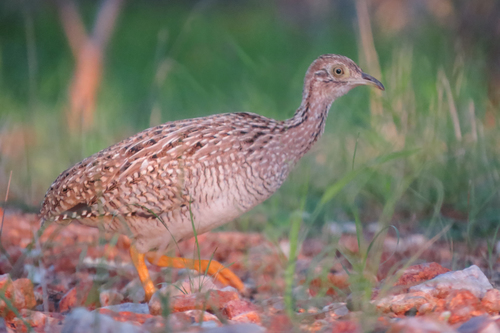
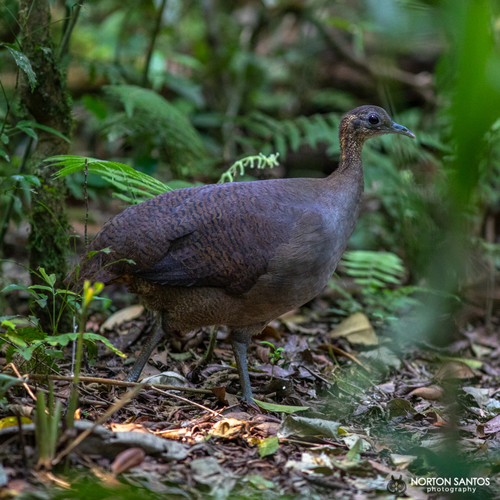
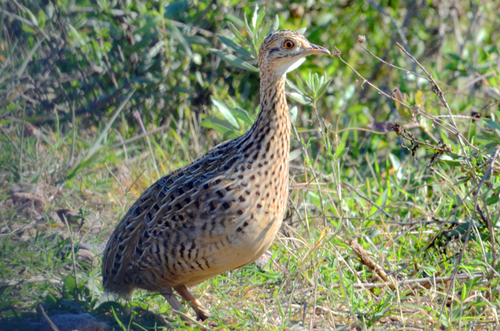
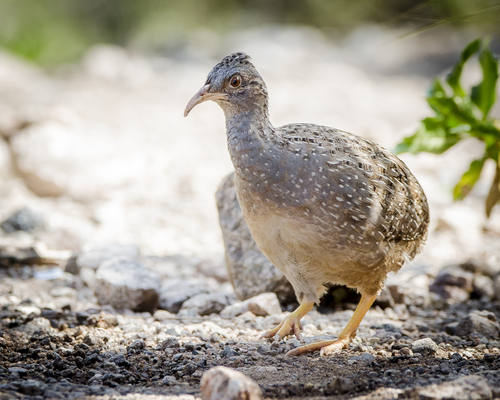
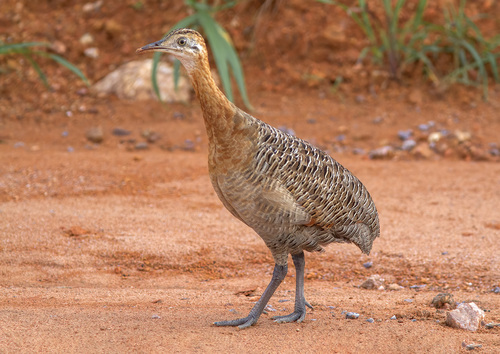
This species has a black crown, rufous primary flight feathers, and light gray to brown underparts. Black barring may appear on its flanks, abdomen, and vent.
Neck and Throat Plumage
Its throat is whitish, and its foreneck and breast are cinnamon-colored.
Bill Characteristics
Its curved bill is horn-colored, with a blackish culmen.
Juvenile Plumage
Juvenile red-winged tinamous are duller in color than adults.
Geographical Distribution
The red-winged tinamou is found in southeastern, northeastern, and central Brazil, eastern Paraguay, southeastern Peru, Bolivia, and eastern Argentina.
Low Elevation Habitat
At elevations below 1,000 m (3,300 ft), it prefers seasonally flooded marshy grasslands and forest edges.
High Elevation Habitat
At higher elevations up to 2,500 m (8,200 ft), it commonly occurs in arid shrubland, pastures, and grain fields. Overall, the species prefers dry savanna.
Seasonal Diet Shifts
Its diet shifts with the seasons: in summer it eats insects and other small animals, including small mammals, and in winter it switches to plant matter such as fruits, shoots, tubers, and bulbs.
Agricultural Pest Status
It can act as an agricultural pest by feeding on cereals, rice, and peanuts.
Foraging Behavior
It is also predatory, and eats poisonous snakes; it will even jump into the air to catch insects resting on vegetation.