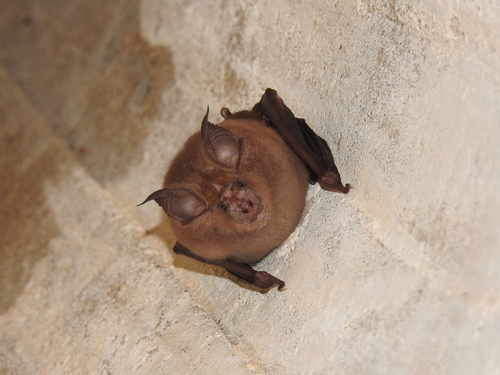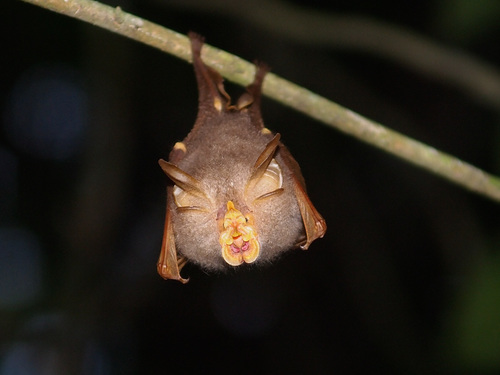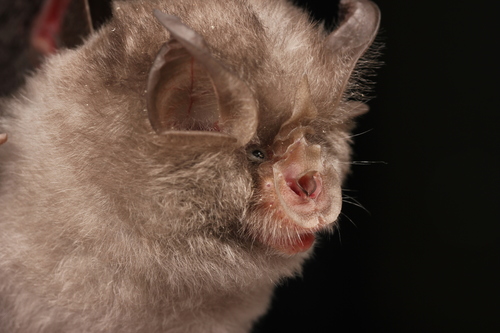
About Rhinolophus hipposideros (Bechstein, 1800)
Taxonomic Identification
The lesser horseshoe bat, scientifically named Rhinolophus hipposideros (Bechstein, 1800), is one of the smallest bat species in the world.
Adult Size Measurements
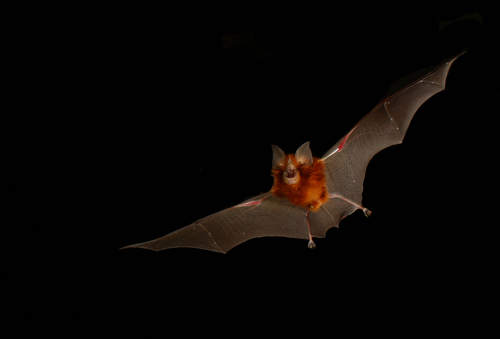
Adults weigh 5 to 9 grams (0.18 to 0.32 oz), have a wingspan of 192–254 millimetres (7.6–10.0 in), and a body length of 35–45 millimetres (1.4–1.8 in).
Physical Appendage Traits
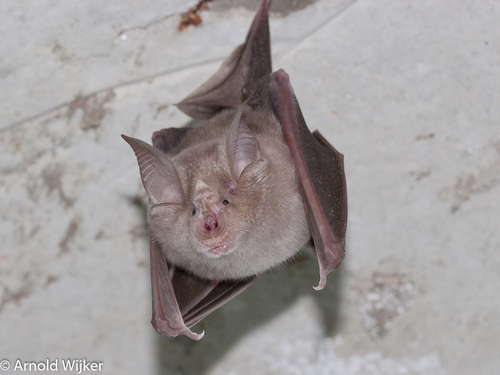
This species has strong feet that it uses to grasp rocks and branches, and despite having small eyes, it can see well.
Echolocation and Social Behavior
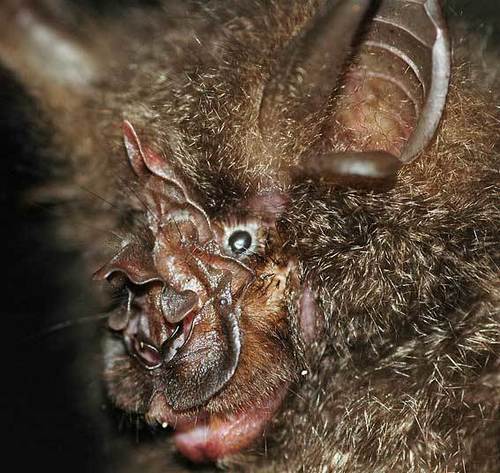
Like most bats, the lesser horseshoe bat lives in colonies and hunts prey using echolocation; it emits ultrasound from specialized round pads located in its mouth.
Fur Base Coloration
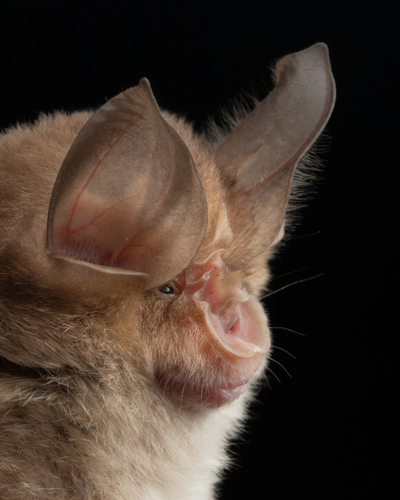
Its soft, fluffy fur has a light grey base.
Regional and Age Fur Variation
Dorsal fur is smoky brown, and ventral fur is grey, while juvenile bats are entirely dark grey.
Membrane Coloration
Its ears and wing membranes are a light greyish brown.
Hunting Flight Patterns
When hunting, the lesser horseshoe bat is quick and agile; it usually flies within five meters of the ground, and actively avoids contact with bushes and shrubs.
Prey Foraging Method
It feeds on small insects, most of which it gleans from stones and branches.
Preferred Prey Species
Its preferred prey includes flies, mosquitoes, butterflies, moths, and spiders.
Lifespan Data
The average lifespan of Rhinolophus hipposideros is 3 years, though some known individuals live much longer.
Population Morphology Comparison
Detailed observations of specimens in Tunisia found no obvious morphological differences between North African and European populations.
Preferred Habitat Types
The lesser horseshoe bat inhabits warmer regions in foothills and highland, particularly favoring wooded areas or limestone landscapes, where it roosts in caves.
Elevational Range Limits
In summer, its recorded range extends up to 1160 m above sea level, and up to 2000 m above sea level in winter.
Nursery Roost Elevation
The highest known nursery roost for the species is located at 950 m above sea level.
Roost Movement Patterns
This is a sedentary species; the average movement between a summer and winter roost is between 5 and 10 kilometers, and the longest recorded movement between roosts is 153 kilometers.
European Distribution
The species can be found in western Ireland and south-west Britain, with some larger populations located in parts of Germany and the Bavarian foothills of the Alps.
Mediterranean Distribution
It is widely distributed across the Mediterranean area, occurring in North Africa, on most larger islands extending to Asia Minor, and around the Black Sea.
Asian Distribution
In Asia, it occurs in Kashmir, the Near East, Iran, Iraq, and the Arabian Peninsula.
African Distribution
It can also be found in part of East Africa.