Rhinolophidae
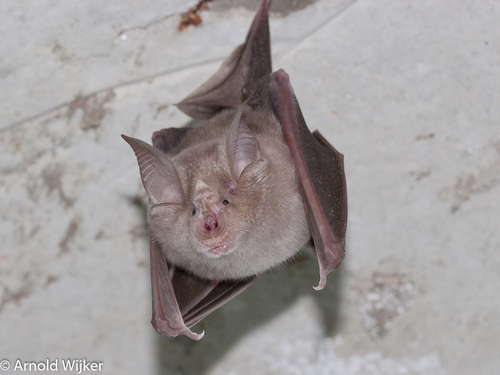
Greater Horseshoe Bat
Rhinolophus ferrumequinum (Schreber, 1774)
Rhinolophus ferrumequinum, the greater horseshoe bat, is the largest European horseshoe bat with a broad range and specific life history traits.
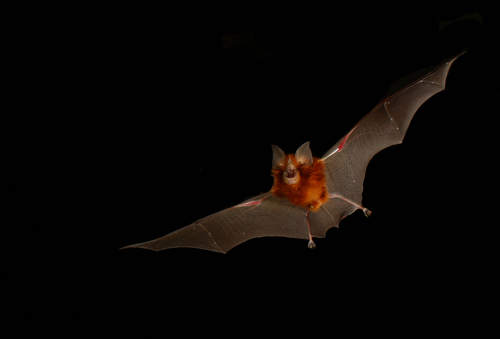
Eastern Horseshoe Bat
Rhinolophus megaphyllus Gray, 1834
Rhinolophus megaphyllus is a small horseshoe bat found in eastern Australia and New Guinea.
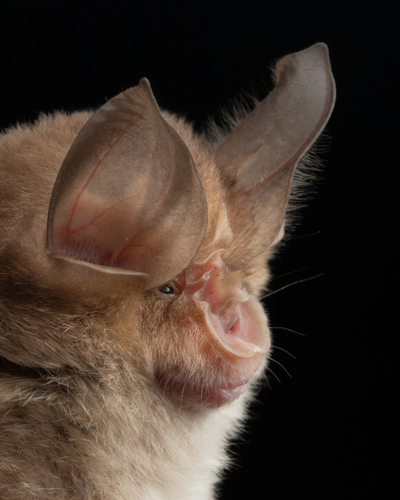
Mediterranean horseshoe bat
Rhinolophus euryale Blasius, 1853
Rhinolophus euryale Blasius, 1853 is a bat with defined physical size and characteristic fur and connective process traits.
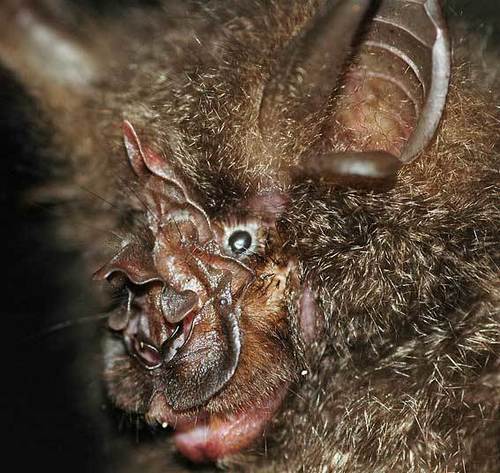
Woolly Horseshoe Bat
Rhinolophus luctus Temminck, 1834
The great woolly horseshoe bat (Rhinolophus luctus) is a Rhinolophidae bat endemic to Southeast Asia, with former taxa split into separate species.
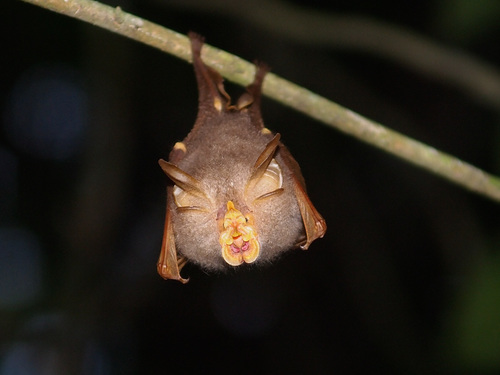
Trefoil Horseshoe Bat
Rhinolophus trifoliatus Temminck, 1834
Rhinolophus trifoliatus is a medium-sized solitary pale-furred horseshoe bat that roosts under rainforest exposed leaves.
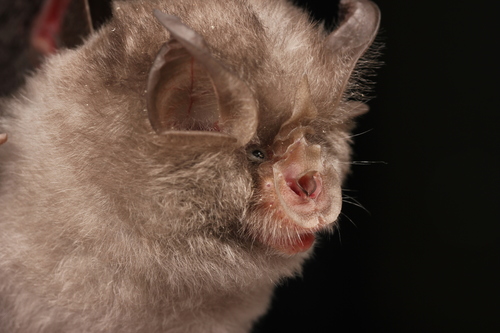
Lesser Horseshoe Bat
Rhinolophus hipposideros (Bechstein, 1800)
Rhinolophus hipposideros, the lesser horseshoe bat, is a small, insect-eating bat distributed across parts of Europe, Africa, and Asia.
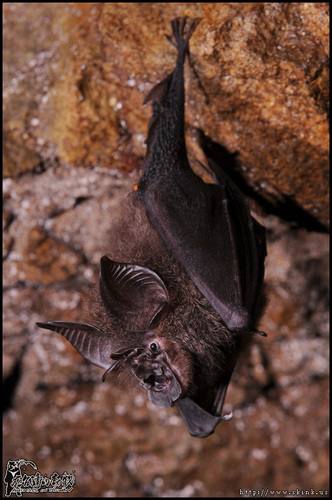
Formosan Woolly Horseshoe Bat
Rhinolophus formosae Sanborn, 1939
The Formosan woolly horseshoe bat is a distinct endemic bat species of Taiwan, with a currently decreasing population.
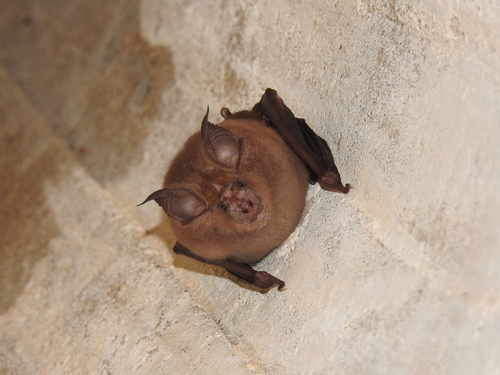
Japanese greater horseshoe bat
Rhinolophus nippon Temminck, 1835
The greater horseshoe bat is the largest European horseshoe bat, with a wide distribution from North Africa to East Asia, with distinct traits and well-documented reproduction.
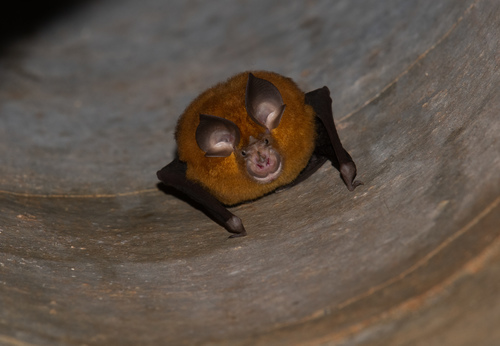
Formosan Lesser Horseshoe Bat
Rhinolophus monoceros K.Andersen, 1905
The little Japanese horseshoe bat is a Rhinolophidae bat found in Japan, with possible presence in China, living in temperate forests.
Related Families
Start Exploring Nature Today
Download iNature for free. 10 identifications on us. No account needed. No credit card required.
Scan with iPhone camera
Scan with Android camera


