Poisonous & Toxic Species
Never touch, taste, or consume any species you cannot positively identify. This guide is for educational purposes only. When in doubt, consult a local expert. Use the iNature app for quick AI-powered identification in the field.
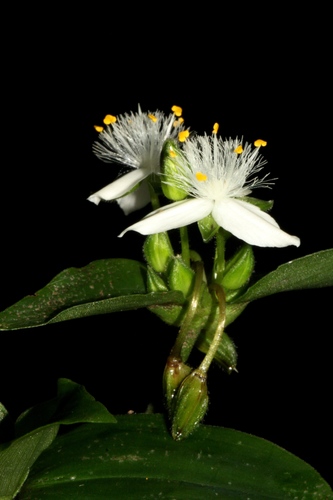
small-leaf spiderwort
Tradescantia fluminensis Vell.
Tradescantia fluminensis is a perennial evergreen groundcover grown as a garden or houseplant, toxic to dogs, cats and horses.
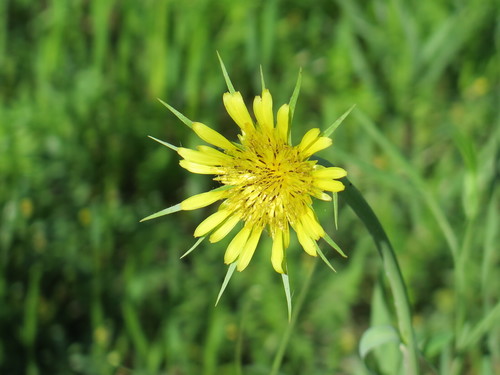
Yellow Salsify
Tragopogon dubius Scop.
Tragopogon dubius is a widespread yellow-flowered forb, with disputed edibility, native to Eurasia and introduced to North America.
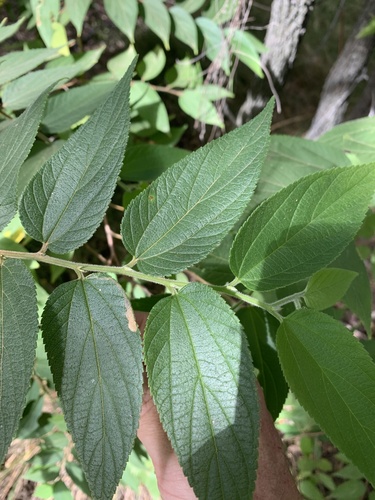
Nettle Tree
Trema tomentosum (Roxb.) H.Hara
Trema tomentosum is a toxic evergreen small tree or shrub native to South, East, Southeast Asia and parts of Australia and the Pacific.

puncture vine
Tribulus terrestris L.
Tribulus terrestris is a widespread annual herb, often a noxious weed, with known toxicity to sheep and recorded human uses.
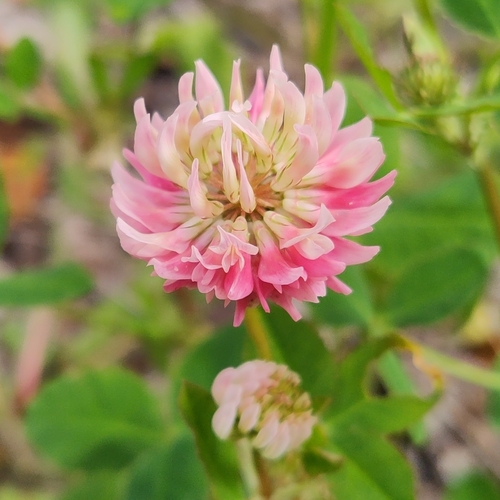
Alsike clover
Trifolium hybridum L.
Trifolium hybridum L., or alsike clover, is a perennial forage crop native to southern Europe and southwestern Asia that can be toxic to horses.

common arrowgrass
Triglochin maritima L.
Triglochin maritima L., seaside arrowgrass, is a plant with reported potential toxicity that is grazed by some wild and domestic animals.
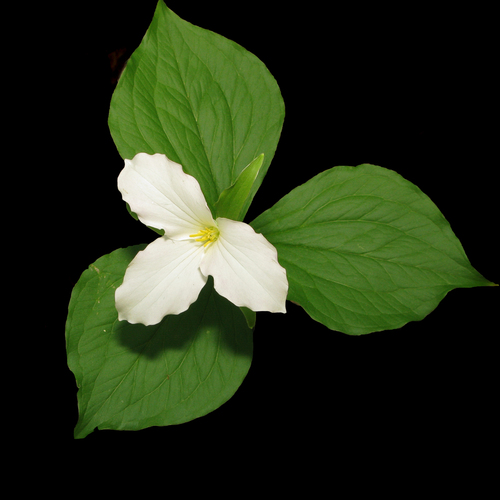
large white trillium
Trillium grandiflorum (Michx.) Salisb.
Trillium grandiflorum is a perennial spring wildflower famous for its large white blooms and ant-mediated seed dispersal.
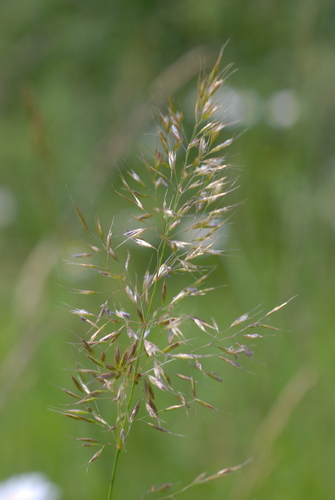
Yellow Oat-grass
Trisetum flavescens (L.) P.Beauv.
Trisetum flavescens is a perennial bunchgrass that is toxic to grazing livestock, causing the calcium deposition condition calcinosis.
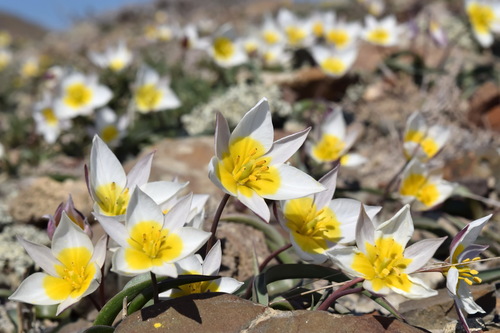
two-flowered tulip
Tulipa biflora Pall.
Tulipa biflora, the two-flowered tulip, is a small, fragrant flowering bulb species with most parts poisonous if eaten.
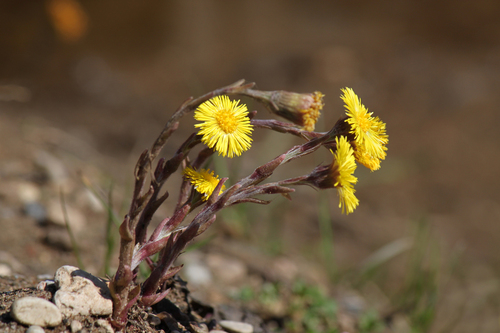
colt's-foot
Tussilago farfara L.
Tussilago farfara (coltsfoot) is a widespread perennial herb containing toxic alkaloids, with historic herbal and food uses.
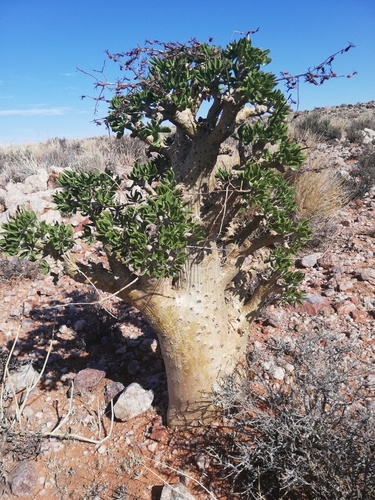
Botterboom
Tylecodon paniculatus (L.fil.) Toelken
Tylecodon paniculatus is a deciduous succulent dwarf tree native to arid winter rainfall regions of southern Africa, toxic to sheep and goats.
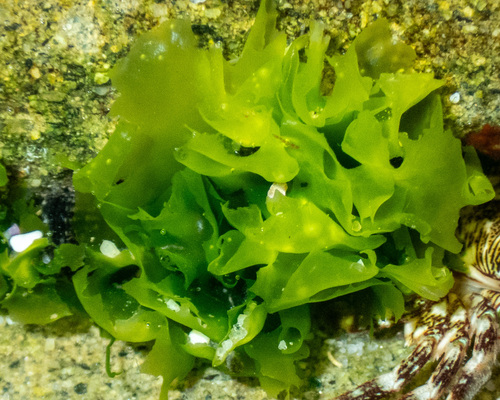
Broadleaf Sea Lettuce
Ulva lactuca L.
Ulva lactuca L., common sea lettuce, is a widespread green alga with food and biofuel uses.
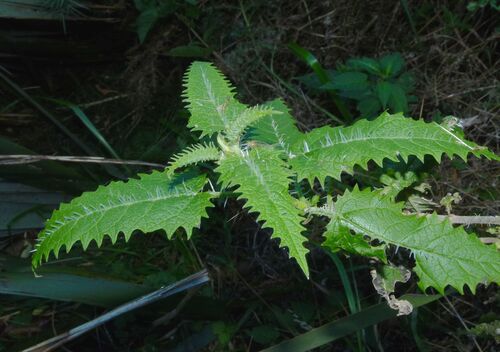
Tree Nettle
Urtica ferox G.Forst.
Urtica ferox (ongaonga tree nettle) is a endemic stinging New Zealand shrub, important to native butterflies and used in traditional Māori culture.
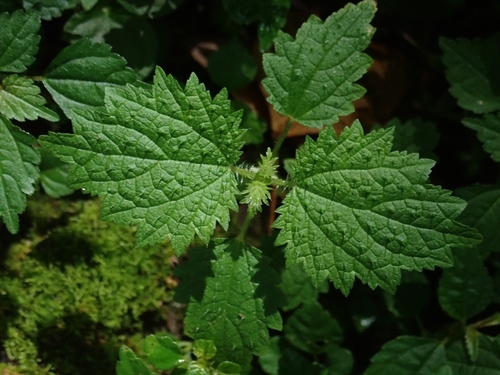
Japanese Nettle
Urtica thunbergiana Siebold & Zucc.
Urtica thunbergiana (Japanese nettle) is a stinging perennial herb from East Asia, used as food after boiling.
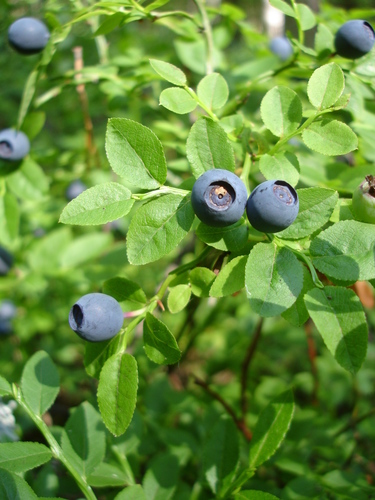
common bilberry
Vaccinium myrtillus L.
Vaccinium myrtillus L. is a small deciduous Holarctic shrub that produces edible blue bilberries, and its leaves may be unsafe to eat.
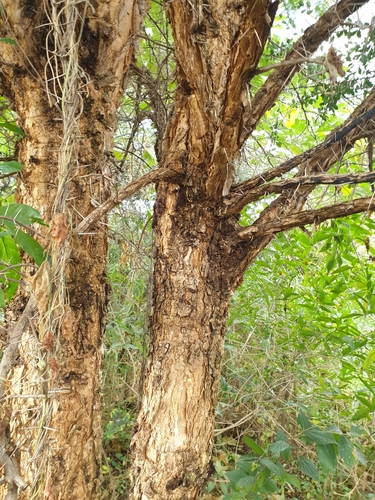
Paperbark Thorn
Vachellia sieberiana (DC.) Kyal. & Boatwr.
Vachellia sieberiana is a non-threatened African tree used for forage, medicine, wood, and fibre, with known toxic leaf compounds when heavily browsed.
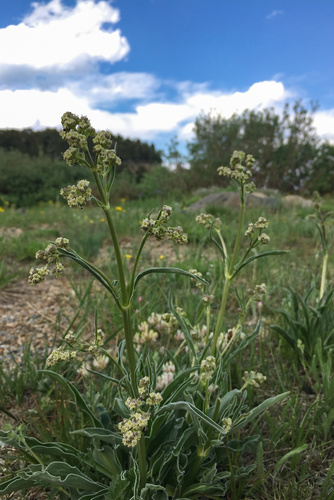
edible valerian
Valeriana edulis Torr. & A.Gray
Valeriana edulis (edible valerian) is a long-lived North American herb whose roots have a long history of use as food after proper preparation.
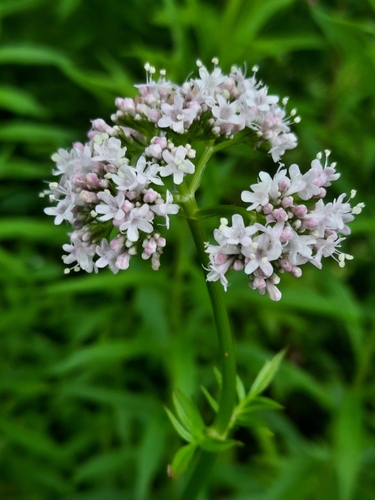
common valerian
Valeriana officinalis L.
Valeriana officinalis L. (valerian) is a Eurasian flowering herb commonly used as a sleep and anxiety supplement with mixed supporting evidence.
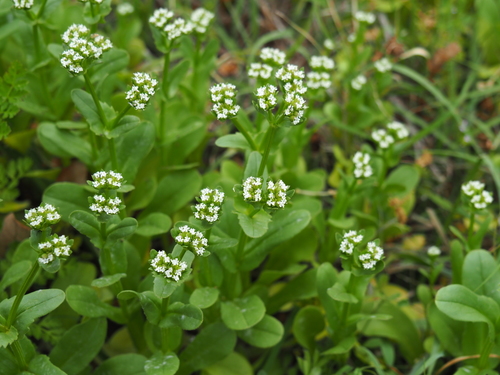
beaked cornsalad
Valerianella radiata (Willd.) Dufr.
Valerianella radiata is an annual herb native to eastern US deciduous forests, not known to be toxic.
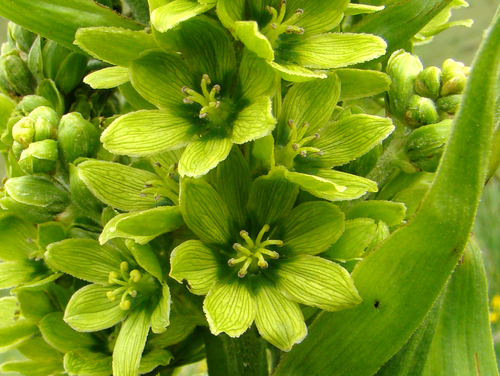
White Hellebore
Veratrum album L.
Veratrum album L. is a tall poisonous perennial herb, with a history of multiple recorded accidental poisoning cases.
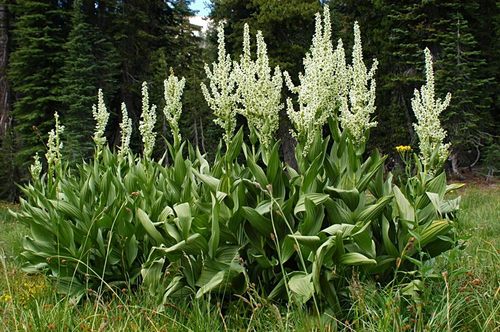
Corn Lily
Veratrum californicum Durand
Veratrum californicum, the extremely poisonous California corn lily, is native to moist habitats across western North America.
White Hellebore
Veratrum lobelianum Bernh.
Veratrum lobelianum is a poisonous flowering plant used in folk medicine, sold as an external-use tincture in Russia.
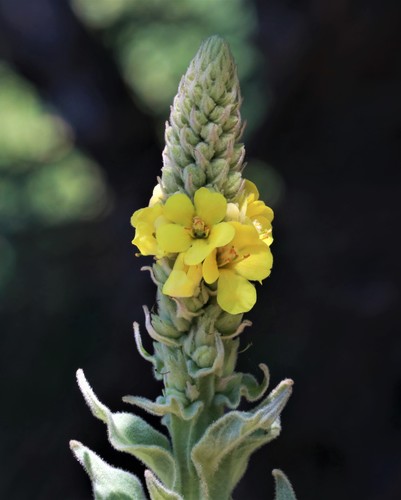
great mullein
Verbascum thapsus L.
Verbascum thapsus, or great mullein, is a weedy biennial plant native to Eurasia and northern Africa with a long history of traditional uses.
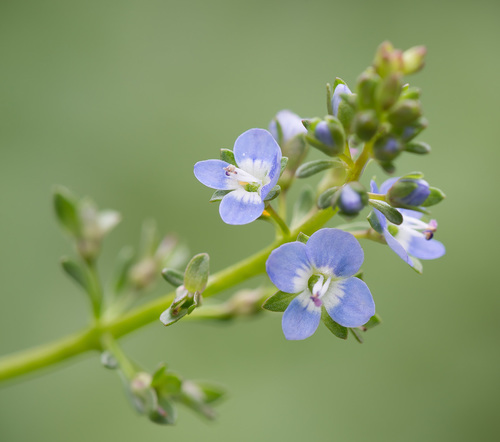
Brooklime
Veronica beccabunga L.
Veronica beccabunga (brooklime) is a succulent perennial herb native to Eurasia and North Africa, historically used for scurvy.
Start Exploring Nature Today
Download iNature for free. 10 identifications on us. No account needed. No credit card required.
Download Free on App Store
