All Species Plantae

Trisetum flavescens (L.) P.Beauv. is a plant in the Poaceae family, order Poales, kingdom Plantae. Toxic/Poisonous.

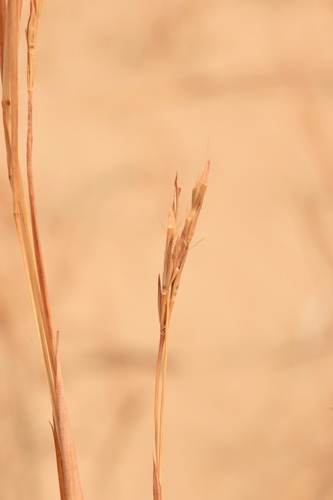
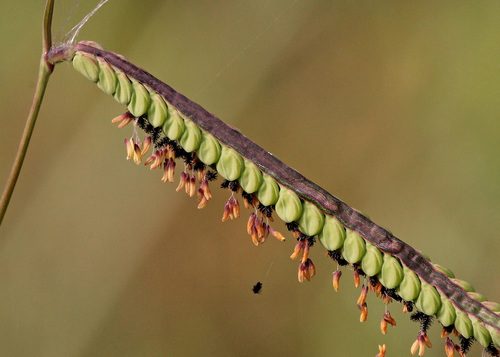
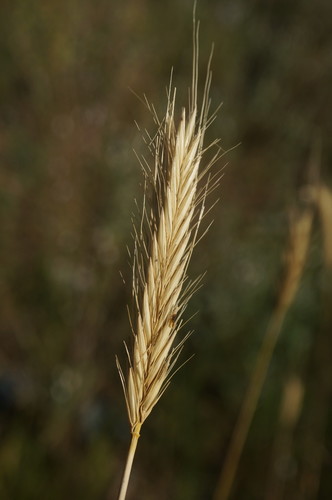
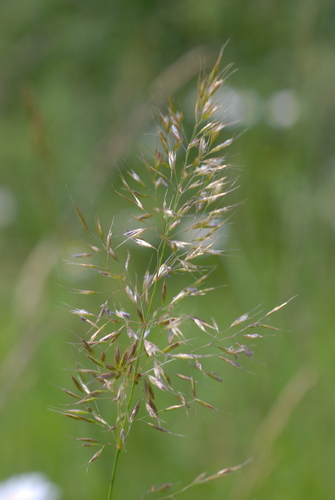
Photo of Trisetum flavescens (L.) P.Beauv. (Trisetum flavescens (L.) P.Beauv.)
Plantae ⚠️ Poisonous

Trisetum flavescens (L.) P.Beauv.

Trisetum flavescens (L.) P.Beauv.

Trisetum flavescens is a perennial bunchgrass that is toxic to grazing livestock, causing the calcium deposition condition calcinosis.

Identify with AI — Offline
Family
Genus
Trisetum
Order
Poales
Class
Liliopsida

⚠️ Is Trisetum flavescens (L.) P.Beauv. Poisonous?

Yes, Trisetum flavescens (L.) P.Beauv. (Trisetum flavescens (L.) P.Beauv.) is classified as poisonous or toxic. Toxicity risk detected (mainly via ingestion); avoid direct contact and ingestion. Never consume or handle this species without proper identification by an expert.

About Trisetum flavescens (L.) P.Beauv.

Scientific Classification and Growth Habit

Trisetum flavescens, also known by its scientific name Trisetum flavescens (L.) P.Beauv., is a perennial bunchgrass that grows in clumps.

Mature Height

It typically reaches 60 to 80 centimetres (24 to 31 inches) in height, and occasionally grows over 1 metre (3.3 feet) tall.

Inflorescence Characteristics

Its inflorescence is a narrow panicle that is greenish yellow to purple when new, and ages to a bright golden yellow.

Viral Susceptibility

This grass is susceptible to yellow oat grass mosaic virus (YOgMV), a virus from the genus Tritimovirus.

Livestock Toxicity Overview

This grass is documented to be toxic to livestock, and causes calcinosis, a condition where calcium is deposited in soft tissues including muscle, tendons, the heart, and large arteries such as the aorta.

Toxicity Effects in Cattle

In affected cattle, the toxicity causes difficulty moving and standing, plus reduced milk production.

Toxicity Effects in Goats

In affected goats, it causes heart murmurs, heart arrhythmias, weight loss, difficulty walking, kneeling, and rising, and reduced milk production.

Toxicity Effects in Horses

In affected horses, it causes tenderness in tendons and ligaments, weight loss, and movement problems.
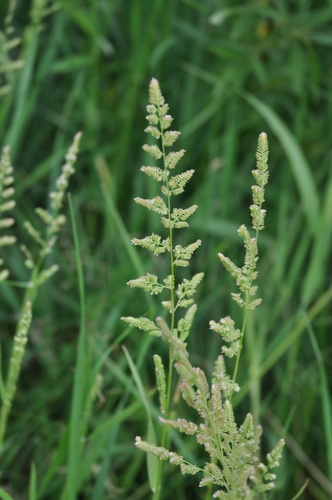
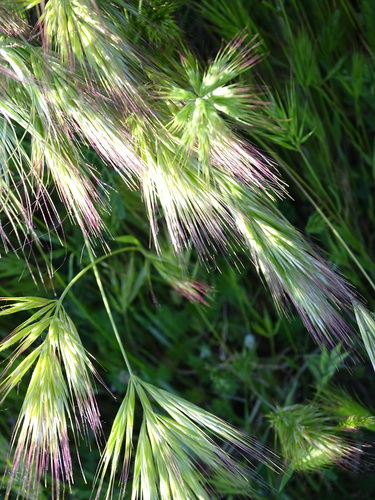
Photo: (c) Gilles San Martin, some rights reserved (CC BY-SA), uploaded by Gilles San Martin · cc-by-sa

Taxonomy

Plantae Tracheophyta Liliopsida Poales Poaceae Trisetum
⚠️ View all poisonous species →

More from Poaceae

Sources: GBIF, iNaturalist, Wikipedia, NCBI Taxonomy · Disclaimer

Start Exploring Nature Today

Download iNature for free. 10 identifications on us. No account needed. No credit card required.

App Store
Scan to download from App Store

Scan with iPhone camera

Google Play
Scan to download from Google Play

Scan with Android camera