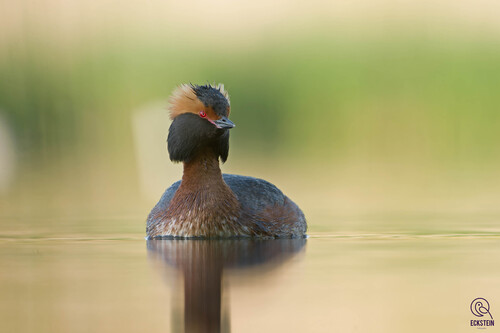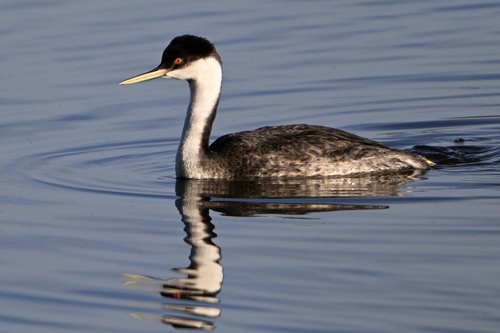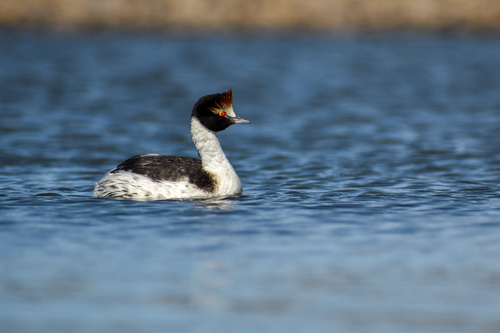
About Podiceps gallardoi Rumboll, 1974
Scientific Naming and Origin
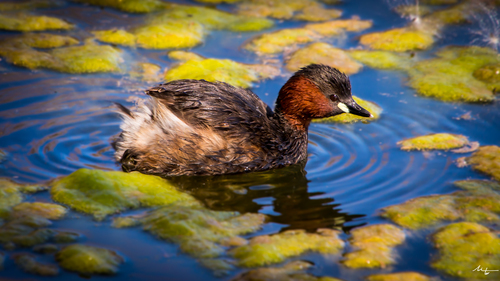
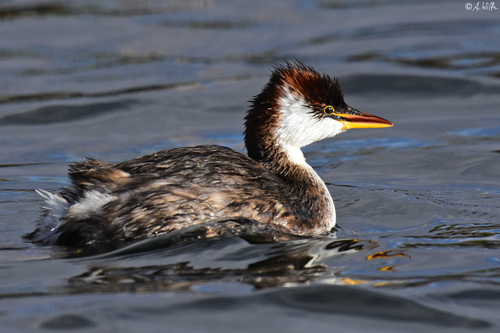
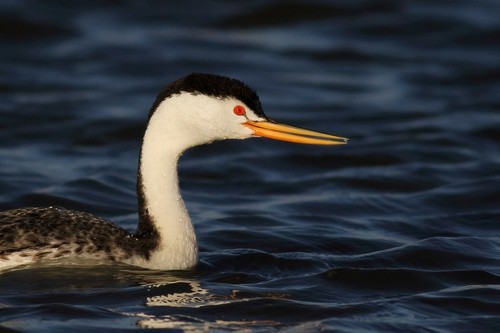
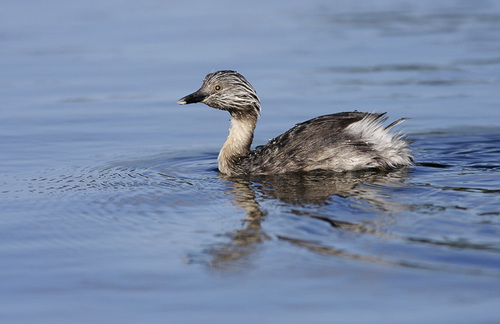
The hooded grebe, scientifically named Podiceps gallardoi, is a medium-sized grebe native to southern Argentina.
Size and Plumage
It reaches approximately 32 cm (13 in) in length and has a black-and-white plumage.
Non-breeding Habitat
This species inhabits isolated lakes in the most remote areas of Patagonia, and spends the winter along the coast of the same region.
IUCN Conservation Status
In 2012, the IUCN uplisted this species from Endangered to Critically Endangered.
Breeding Lake Rotation
During the breeding season, the hooded grebe lives on basaltic lakes, and alternates which basaltic lake it uses for breeding each year.
Breeding Site Selection Criteria
It chooses a breeding lake based on the lake's size, water level, and abundance of aquatic plants.
Confirmed Wintering Sites
Currently, the only confirmed wintering sites for this species are estuaries on Argentina's Atlantic coast.
Specific Confirmed Distribution
Its confirmed breeding sites are basaltic lakes in Santa Cruz, southwest Argentina, and its confirmed wintering grounds are the estuaries of the Coyle River, Gallegos River, and Chico River on the Atlantic coast of Santa Cruz.
Accidental Range Occurrence
The species is considered an accidental visitor to Magallanes in southern Chile.
2013 Sighting Record
Two individuals were also observed at a lake in Laguna Blanca in October 2013.
Breeding Elevation Range
During the breeding season, the hooded grebe occurs on basaltic lakes in the Patagonian steppes, at elevations between 500 and 1,200 meters.
Non-breeding Coastal Habitat
Non-breeding flocks and some overwintering birds use both saline and bitter salt lakes along the Argentine coast.
Nest Vegetation Requirements
Breeding lakes must have aquatic vegetation, primarily Myriophyllum elatinoides, which the hooded grebe uses to build its nest.
Diet Source
This same vegetation also hosts the aquatic invertebrates that form the species' diet.
Chick Diet Example
For example, during the first week after hatching, hooded grebe chicks are fed Limnaea spp. aquatic beetles.
Nesting Colony and Timing
Nesting occurs in colonies that can hold up to 130 breeding pairs, from October to March.
Reproductive Rate
The species has a very low reproductive rate: an average of only 0.2 young are reared per adult each year.
Clutch and Parental Care
A hooded grebe clutch can contain at most two eggs, and adults typically only care for one egg.
Reproductive Predation Threat
Kelp gulls prey on the species' eggs and chicks, which further reduces successful reproduction.
Nest Environmental Threat
Strong winds can also flood and destroy nests.
Adult Mortality Rate
Despite low breeding success, resources needed for adult survival are abundant, leading to a low adult mortality rate.