About Pleroma granulosum (Desr.) D.Don
Taxonomy and Naming
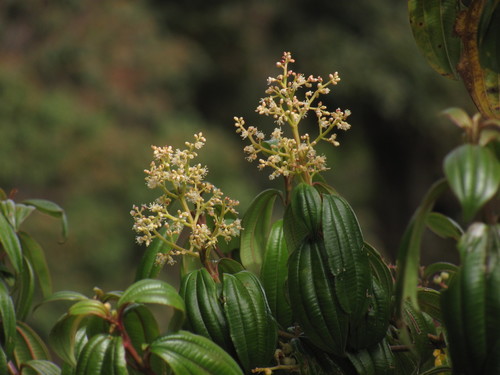
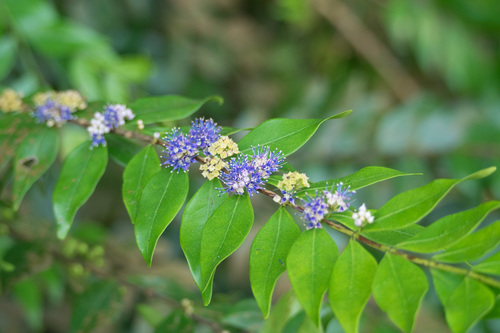
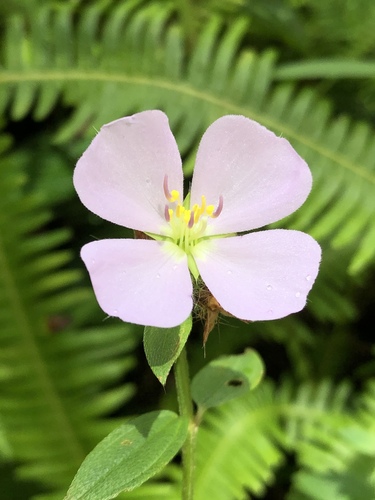
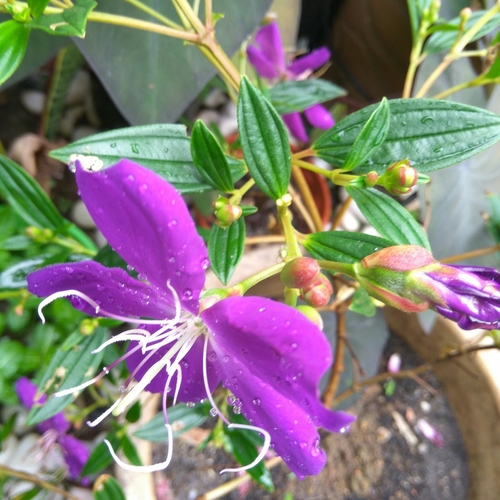
Pleroma granulosum (Desr.) D.Don, also known by its synonym Tibouchina granulosa, is a tree species in the family Melastomataceae.
Common Names and Native Range
It is commonly called the purple glory tree or princess flower, and it is native to Bolivia and Brazil.
Local Name and Ornamental Use in Brazil
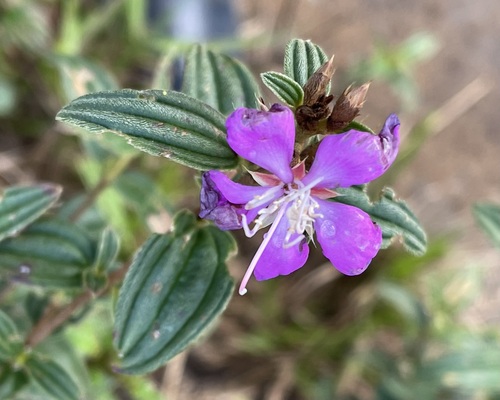
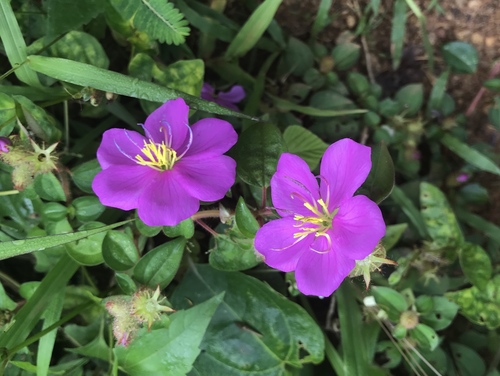
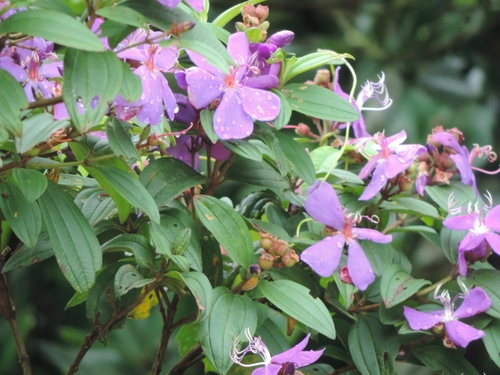
In Brazil, it is known locally as quaresmeira, and is often grown in gardens because its purple flowers bloom for most of the year.
Ornamental Value
This species is considered one of the most ornamental plants in tropical flora, valued for both its foliage and abundant flowering that lasts from spring to late autumn.
Cultivation Range
It is widely cultivated in tropical and subtropical climate zones.
Mature Height
The tree can reach up to 10 metres in height.
Soil and Fertilizer Requirements
To produce flowers, it requires well-drained acidic soil, and use of an acid fertilizer is recommended.
Light and Water Requirements
It grows in full sun to partial shade, needs average amounts of water, and sustained freezing temperatures should be avoided.
Preferred Hardiness Zones
It grows best in USDA hardiness zones 10b to 11, or any area that does not experience prolonged cold.
Cold Tolerance and Damage
Pleroma granulosum can tolerate sub-freezing temperatures for several hours, but longer periods of low temperature will damage the plant's leaves, stems, and sprouts.
Post-Cold Damage Regrowth
In most cases, the roots survive this damage and produce new above-ground growth the following spring.
Flowering After Cold Damage
Even though the plant can recover quickly, it often does not bloom that year, as it puts most of its energy into growing new stems and leaves.