About Plagiotremus rhinorhynchos (Bleeker, 1852)
Scientific Classification and Egg Characteristics
The bluestriped fangblenny, scientifically named Plagiotremus rhinorhynchos (Bleeker, 1852), has demersal, adhesive eggs from before birth, which attach to substrates through a filamentous adhesive pad or pedestal.
Maximum Length
This fish can reach a maximum length of approximately 90 millimeters.
Color Phases
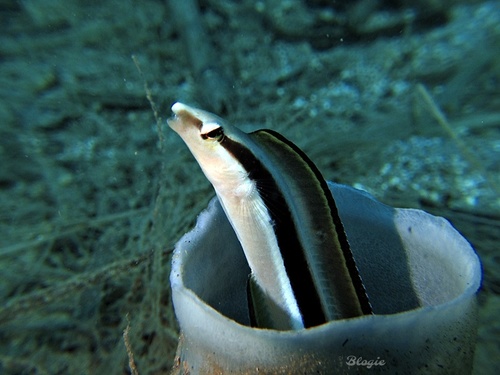
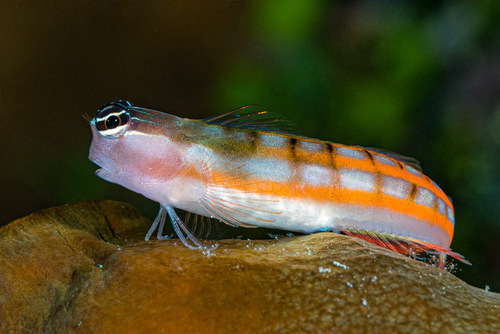
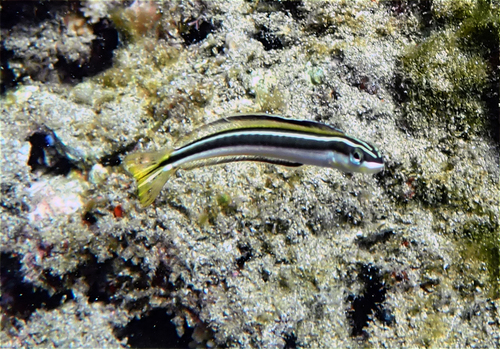
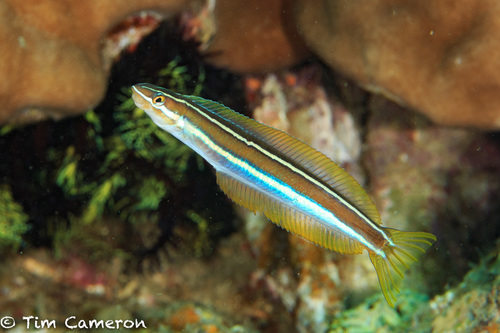
It has two distinct color phases: one is blue with a black stripe running from the snout to the tail, and the other is orange with two narrow blue lines running from the snout to the tail.
Swimming Behavior
Unlike most blennies, the bluestriped fangblenny is a free-swimming species.
Adult Habitat
Adult bluestriped fangblennies live in clear, coral-rich areas of lagoons and seaward reefs.
Social Structure and Habitat Prevalence
They are fairly common on both coral reefs and rocky reefs, and are usually found alone or in pairs.
Aggression and Diet
They are known to be aggressive; they feed on skin, mucus, and occasionally the scales of other fish, and will bite divers when they feel alarmed.