About Phylloscopus trochiloides (Sundevall, 1837)
General Appearance
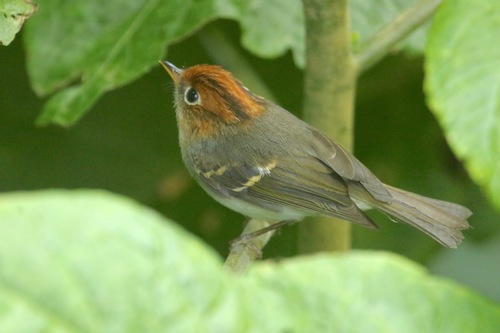
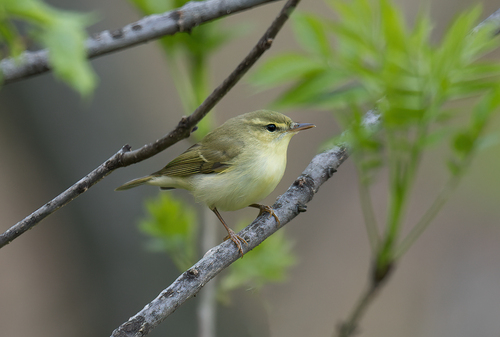
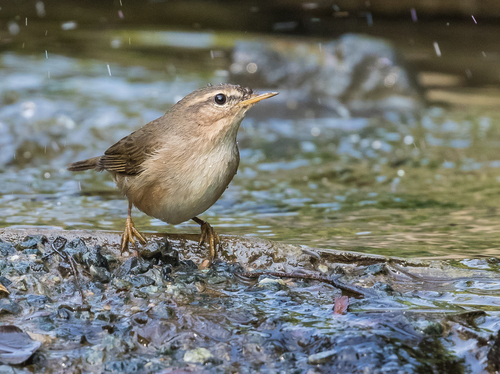
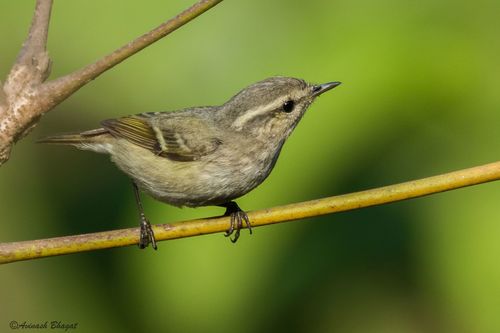
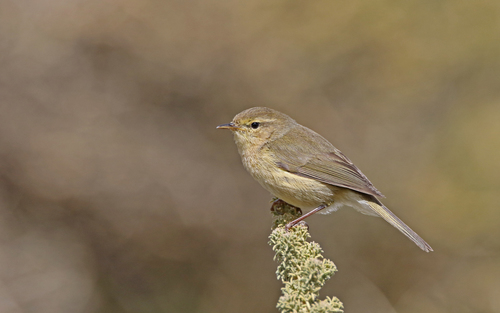
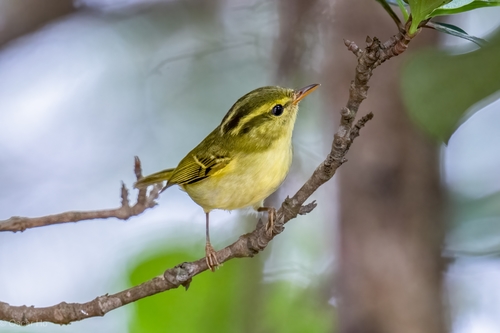
This species is a typical leaf warbler in appearance, with grayish-green plumage on the upper body and off-white plumage on the lower body.
Wing Bar Distinction
Southern and western populations have a single wing bar, which distinguishes them from most similar species except the Arctic warbler Phylloscopus borealis.
Morphological Comparison to Arctic Warbler
This species is slightly smaller than the Arctic warbler, has a thinner bill, and lacks a dark tip on the lower mandible.
Size Variation and Bergmann's Rule
A latitude-based analysis of wintering birds found that more northerly P. trochiloides individuals are smaller, meaning this species does not appear to follow Bergmann's rule.
Vocalization Characteristics
The species' song is a high, jerky trill, and in some populations it includes a sequence of down-slurred notes, and more rarely up-slurred notes.
Breeding and Non-breeding Habitat
It breeds in lowland deciduous or mixed forest; non-breeding individuals in the warmer parts of its range may move to montane habitat during summer.
Summer Altitudinal Movement Example
For example, individuals from southeast of the Himalayas are quite often seen in Bhutan during the hot months, typically in humid Bhutan Fir (Abies densa) forest up to about 3,800 meters above sea level or higher, but they do not breed here.
Winter Habitat Range
They return to the adjacent subtropical lowlands in winter.
Nesting Behavior
This species builds its nest on the ground within low shrub.
Feeding Habits
Like its close relatives, this small passerine bird is insectivorous.