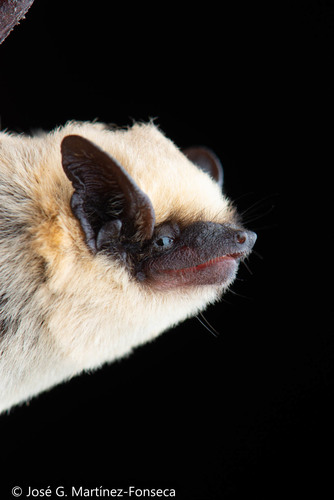
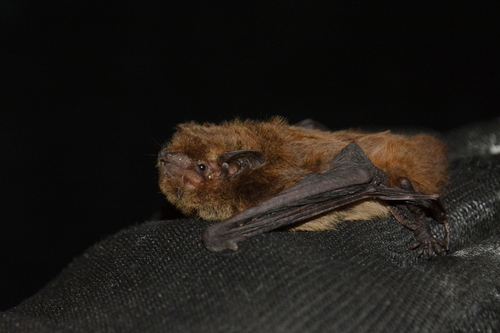
About Myotis grisescens A.H.Howell, 1909
Taxonomy and Common Name
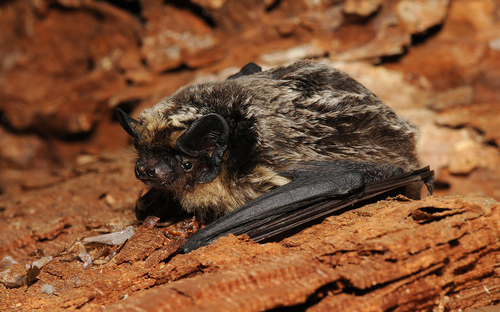
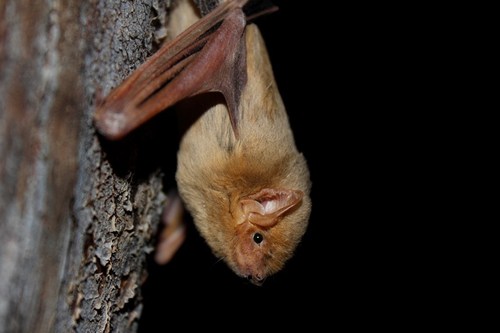
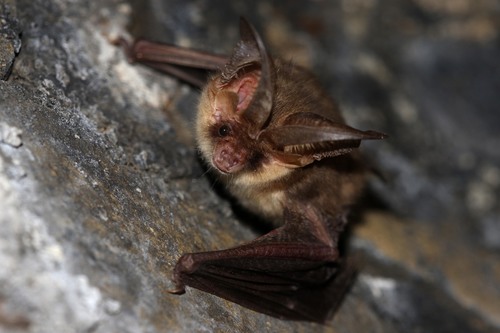
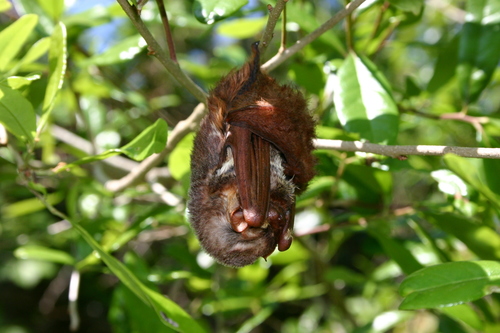
Myotis grisescens A.H.Howell, 1909, commonly called gray bats, are the largest members of the Myotis genus in the eastern United States, and are among the most cave-dependent of all U.S. mammals.
Fur Coloration
They have solid dark gray fur on their backs; after the annual molting season, which falls in July or August, this fur may bleach to a russet or chestnut brown.
Wing Membrane Structure
Unlike other Myotis species, where the wing membrane connects to the toe, the wing membrane of M. grisescens connects to the ankle.
Size and Flight Threshold
Adult gray bats typically weigh 7 to 16 grams, with forearms measuring 40 to 46 mm; individuals with forearms 39.5 mm or less cannot fly.
Lifespan and Survival to Maturity
The species can reach a maximum lifespan of 17 years, though only around 50% of individuals survive to sexual maturity, which occurs at approximately two years of age.
Recorded Wild Age
Wild gray bats have been recorded reaching 13 to 14 years of age via recapture of banded individuals, and this age is considered exceptional.
Flight Speed
Their measured flight speed is 20.3 km/h (12.61 mph) during migration, and between 17 km/h and 39 km/h when foraging.
Molting and Grooming Habits
Annual molting takes place between early June and early August, and gray bats eat more hair during this period than at other times in their active season.
Grooming and Ectoparasites
While grooming, they also ingest ectoparasites like chiggers that live in their fur.
Nightly Activity Routine
Gray bats are thought to groom extensively before starting their nightly hunt, then spend the night hunting and digesting food.
Overall Distribution Range
Gray bats live across much of the southeastern United States, restricted to limestone karst areas.
Seasonal Range Overlap
Their summer and winter hibernation ranges overlap but are not identical.
Hibernation Range
Hibernation takes place in caves in northern Alabama, northern Arkansas, Kentucky, Missouri, and Tennessee.
Summer Range
In summer, the species extends its range further to include eastern Oklahoma and Kansas, southern Illinois and Indiana, southwestern Virginia, western North Carolina, northwestern South Carolina, and northern Georgia.
Vagrant Individuals
A very small number of records from West Virginia and Mississippi are considered to represent vagrant individuals.
Extirpated Populations
As of 2020, populations historically recorded in Florida are no longer present.
Cave Obligate Habitat Use
Gray bats are cave obligate, meaning they are cave dependent: with very few exceptions, where cave-like conditions occur in human-made structures such as sewers and culverts, they only live in caves, rather than the abandoned barns and other structures occupied by other bat species.
Cave Habitat Vulnerability
Less than 5% of all available caves are inhabited by gray bats, so any disturbance to these cave habitats can be extremely harmful to gray bat populations.
Largest Summer Colonies
The largest summer colonies of the species are located within Guntersville Reservoir in northeastern Alabama; this reservoir's Sauta Cave (formerly named Blowing Wind Cave) and Hambrick Cave can hold over 200,000 gray bats combined.
Seasonal Cave Use Variation
Gray bats use different caves for different purposes at different times of the year.
Hibernacula Definition
They cluster in caves called hibernacula to prepare for winter hibernation.
Spring Colony Segregation
In spring, their populations disperse to form sexually segregated colonies: females form summer maternity roosts (maternity colonies), while males form non-maternity bachelor colonies that also hold yearlings of both sexes.
Dispersal Caves
They also use a third cave type, dispersal caves, which they only inhabit during migration.
Hibernaculum Preferences
For hibernacula, gray bats prefer deep, cool caves with average temperatures of 5 to 11 °C, multiple entrances, and good airflow.
Hibernaculum Arrival Timing
Gray bats begin arriving at cold winter hibernacula in September.
Summer Cave Characteristics
Summer caves are typically located along rivers, with average temperatures of 14 to 25 °C, and usually contain structural heat traps including domed ceilings, small chambers, and porous rock surfaces.
Summer Cave Heat Traps
These heat traps capture metabolic heat from clustered gray bats to support nursery colonies.
Summer Cave Proximity to Water
Preferred summer colony caves are within 1 km of a body of water, and are rarely more than 4 km from a lake or major river.
Roosting Density
The average roosting density of gray bats is 1828 bats per square meter.
Fall Migration Timing
Fall migration for gray bats follows approximately the same order as spring emergence: females depart first in early September, and juveniles leave last in mid-October.
Migration Distance
Gray bats may migrate as far as 500 km (310 mi) from summer caves to reach hibernation caves, but band recovery data and the spatial distribution of summer and winter roosts show that most migrations are shorter than 320 km (200 mi).
Annual Active Period
The annual active period for gray bats runs from April to October, though female gray bats enter hibernation in September.
Mating Timing
Copulation occurs after the bats arrive at winter caves.
Post-Mating Hibernation Timing
Females enter hibernation immediately after mating, while males may remain active for a few additional weeks to replenish the fat reserves they used for breeding.
Male Hibernation Start
Males begin hibernation by early November.
Hibernation Physiology
During hibernation, gray bats' body temperature drops close to the surrounding ambient temperature to conserve fat reserves, which must last for the roughly six-month hibernation period and subsequent spring migration.
Spring Migration Mortality
Adult mortality is especially high during spring migration, as bats without sufficient fat reserves cannot easily survive the energy-intensive stress of this journey.
Sperm Storage and Ovulation
After copulation, females store sperm in their uteri, and only ovulate after emerging from hibernation.
Gestation and Birth Timing
Gestation lasts 60 to 70 days, and birth occurs in late May and early June.
Reproductive Strategy
Female gray bats give birth to one offspring per reproductive cycle, meaning they produce one offspring per year, and follow an iteroparous life-history strategy.
Newborn Development
Newborn young cling to their mother for approximately one week, then remain in the maternity colony until they are able to fly.
Juvenile First Flight
Most young take their first flight by four weeks of age, which falls between late June and mid-July.
Pesticide-Related Decline
Pesticide use and manufacturing are well-documented contributors to population decline in M. grisescens.
Alabama Mortality Study
One study of gray bat populations in the Tennessee River area of northern Alabama noted higher than normal mortality in the region.
DDTR Contamination Source
Since 1947, large amounts of DDTR, a mixture of DDT (dichlorodiphenyltrichloroethane), DDD, and DDE, have flowed through local waterways from a DDT manufacturing site at Redstone Arsenal near Huntsville, Alabama, reaching gray bat habitat and causing heavy contamination of the local biota.
DDT Lethal Concentration Difference
Lethal concentrations of DDT in adult bat brains are around 1.5 times higher than the lethal concentration for juvenile bats.
Contamination Exposure Route
Because gray bats feed on many types of insects with aquatic larval stages, researchers believe this food source is the origin of the species' observed chemical contamination.
Lactation-Related Juvenile Exposure
Many bats tested in these studies were flightless juveniles that had only consumed milk; after chemical concentration through lactation, even a few parts per million in the adult bats' prey can cause mortality in juveniles.
Fat Mobilization Toxicity
When the bats rapidly use fat stores, such as during migratory stress or when juvenile bats begin flying, harmful chemical residues stored in fat can mobilize and cause death.
Other Implicated Pesticides
Other pesticides linked to gray bat population decline include dieldrin and its parent compound aldrin, both of which have also increased mortality in other bat species.
Persistent Contamination
Although DDT manufacture ceased in 1970, and manufacture of dieldrin and aldrin ended in October 1974, heavy biota contamination persists.
Recent Chemical Decline Trends
Recently, guano samples from multiple habitats show declines in certain harmful chemicals: for example, DDE (a DDT-related compound) declined by 41% in guano from Cave Springs cave between 1976 and 1985, and declined by 67% in guano from Key Cave over the same period.
Contamination Risk Uncertainty
It remains unknown how long these chemicals will remain at concentrations harmful to the species.