About Monarda citriodora Cerv. ex Lag.
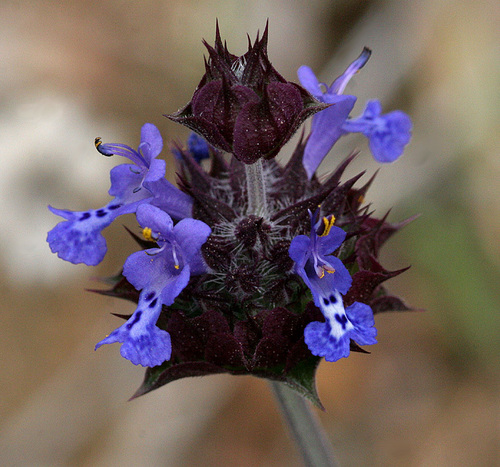
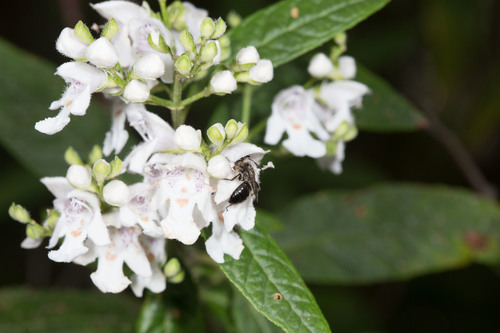
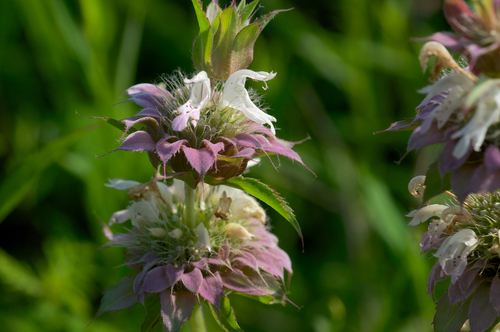
Lemon beebalm (Monarda citriodora Cerv. ex Lag.) tolerates dry soil, needs minimal water, and requires full direct sunlight. Multiple stems emerge from the plant's base, lined with pairs of lance-shaped leaves. It grows quickly through spring, reaching a maximum height of 90 centimeters (3 feet). In the northern hemisphere, it produces white, purple, and pink flowers from May through July, and will continue blooming later in the year if watered. The plant dies back after the first frost; it is an annual, but its seeds can germinate and grow new plants the following year. The Latin specific epithet citriodora translates to "having a citrus aroma".
This widespread species grows in prairies, roadsides, and other open sunny habitats, ranging from Arizona to Florida in the southern United States, and north to Nebraska, extending south through Mexico to Michoacán. It favors soils with a high clay content, including the vertisols and mollisols common to tallgrass prairies, where it can sometimes form dense, striking stands of summer flowers.
Three recognized varieties are documented. Monarda citriodora var. austromontana (Epling) B.L.Turner is found in Arizona, New Mexico, Chihuahua, Sonora, and other parts of Mexico. Monarda citriodora var. citriodora occurs in Kansas, Missouri, Oklahoma, Arkansas, Utah, Texas, and Tamaulipas. Monarda citriodora var. parva Scora is native to southern Texas.
Herbalists use teas brewed from this plant's leaves to treat colds, coughs, fevers, and respiratory problems.