About Metaphrynella pollicaris (Boulenger, 1890)
Size
Males of Metaphrynella pollicaris measure 24–41 mm (0.94–1.61 in) in snout–vent length, while females measure 27–28 mm (1.1–1.1 in).
Morphological Features
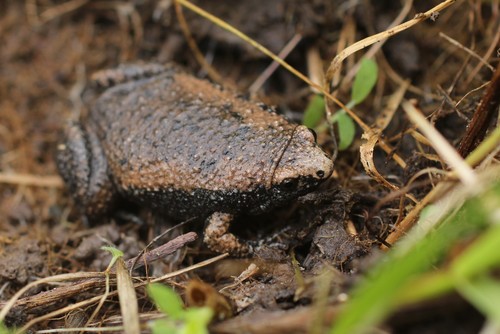
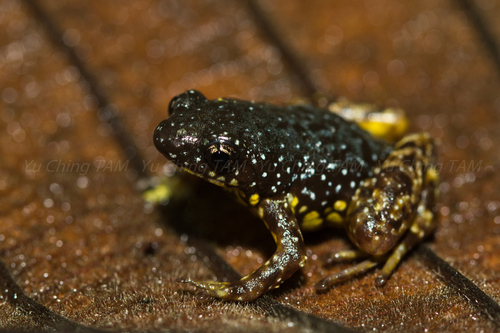
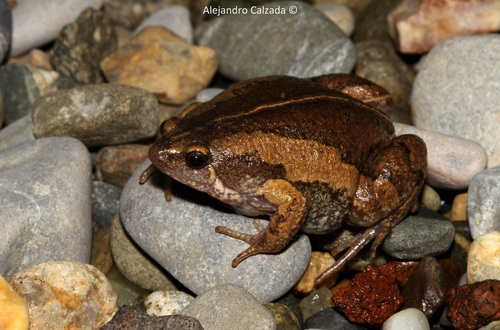
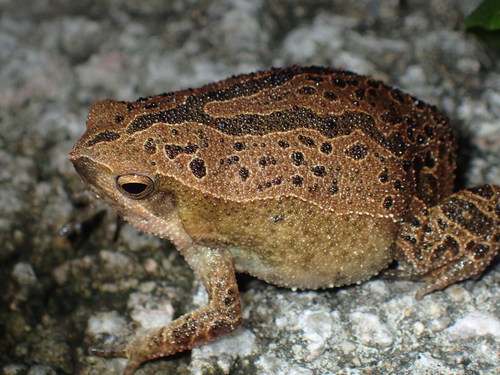
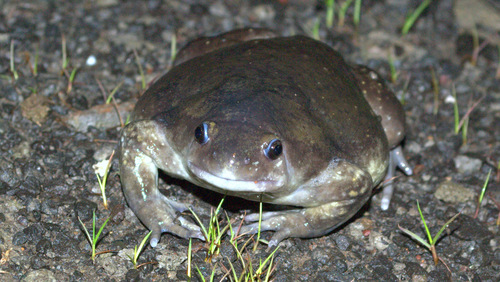
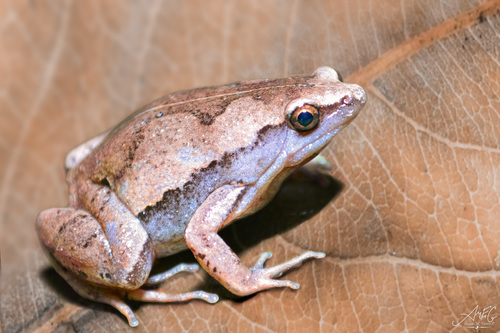
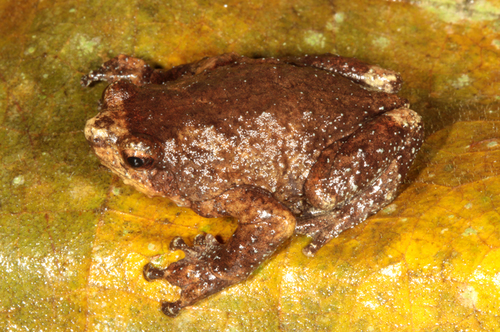
The dorsum is dark olive-brown with variable patterning, the tympanum is hidden, and finger tips are expanded into large disks.
Habitat Type
The natural habitats of this species are evergreen rainforest and forest edges.
Microhabitat and Reproduction
It lives in hollows in tree trunks and bamboo, and reproduces in these same microhabitats.
Male Call
Although it is a secretive species, the male call is distinctive and allows it to be surveyed.
Abundance
Based on call surveys, it is abundant in areas where it is found, and its total abundance appears to be limited by the availability of tree holes.
Elevation Range
It can occur at elevations as low as 550 m (1,800 ft) above sea level, but is more common from around 900 m (3,000 ft) upwards.
Threats and Habitat Benefits
It may be locally threatened by habitat loss, but it can also benefit from habitat clearing that promotes the growth of giant bamboos, which provide its required microhabitat.
Protected Area Occurrence
This species is known to occur in several protected areas.