About Megalurus gramineus (Gould, 1845)
Scientific Nomenclature
This species, the little grassbird, is scientifically named Megalurus gramineus (Gould, 1845).
General Appearance and Size
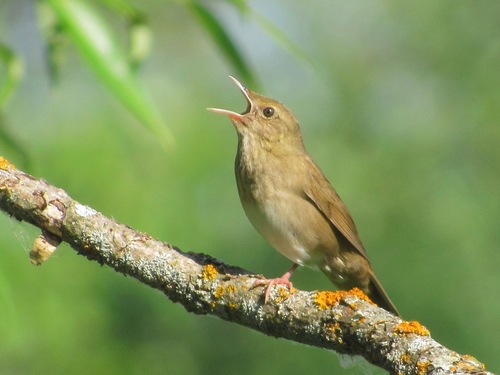
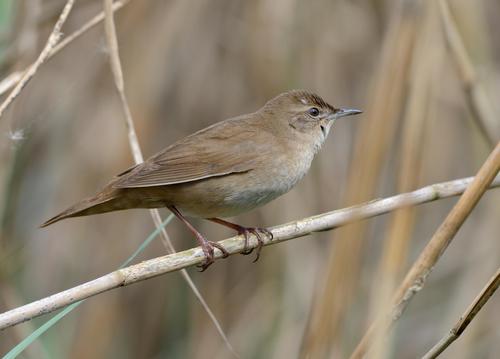
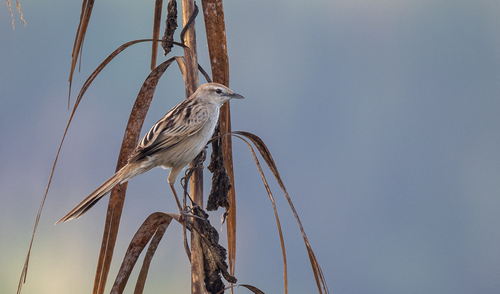
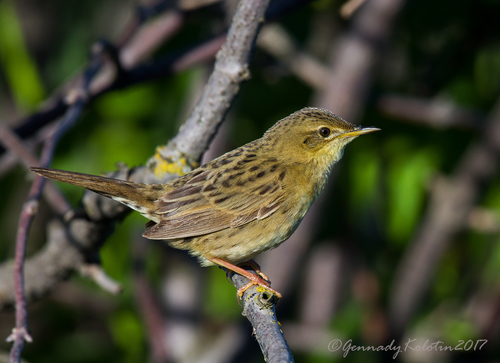
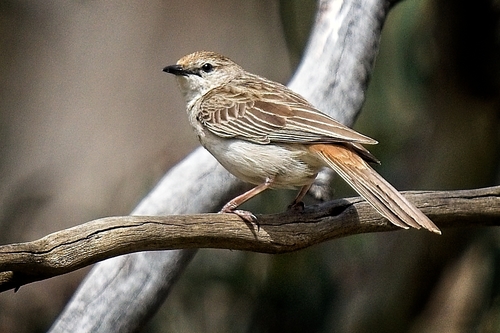
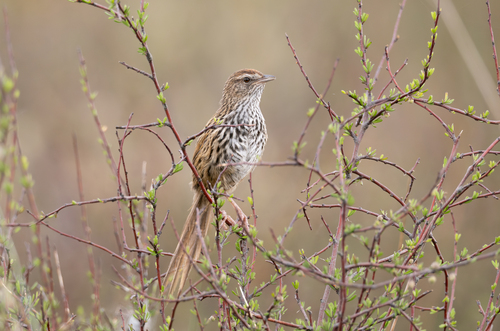
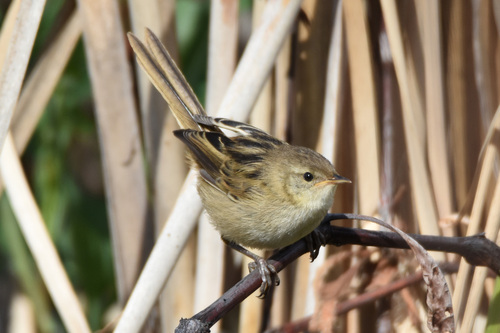
It is an olive-brown to brown-grey bird that measures 13 to 15 cm in length. It has a pale eyebrow and dark grey streaks on the throat, crown, and cheeks.
Plumage Details
Its upper body is brown-grey with dark grey streaks, and its lighter grey underparts are also streaked. Its wing feathers are dark with white edges.
Sexual Dimorphism
Adult male and female little grassbirds cannot be distinguished from one another with the naked eye, though males are larger in all measurements except for the bill.
Vocalization Descriptions
According to the Slater Field Guide, its voice is a "plaintive three noted monotone, tee-ti-teee." The Australian Bird Guide notes that this bird is more often heard than seen, especially during the breeding season, when it produces "a sequence of 2-3 plaintive piping whistles p-pee-pee repeated incessantly."
Similar Species Comparison
It can be confused with two similar species: the tawny grassbird (Cincloramphus timoriensis), which is slightly larger and more rufous, particularly on its crown; and the striated fieldwren (Calamanthus fuliginosus), which differs by having yellow underparts and a distinctive white eyebrow.
Geographic Distribution
The little grassbird is distributed across Eastern Australia, Tasmania, inland Central Australia, and South-Western Australia, and also occurs in West Papua, Indonesia.
West Papua Occurrence Status
Its occurrence in West Papua is not common or widespread: eBird records only two locations there, and the 1984 Atlas of Australian birds notes that only one specimen from the area is known.
Typical Habitat
It inhabits dense wetland vegetation including sedges, reeds, and rank grass, and also uses shrubs such as lignum, saltmarsh, and low mangroves.
Post-Rainfall Movement
After rainfall, the little grassbird will move into temporary wetlands.
Diet and Foraging Behavior
It feeds on insects and other small arthropods, and usually stays within the dense cover of grasses and swamp vegetation.