About Lupinus pilosus L.
Stem Size
Lupinus pilosus L. is a species of lupine with stems that grow 30 to 70 centimeters (12 to 28 inches) in length.
Blooming Period
Its blooming period runs from February to May.
Typical Flower and Fruit Morphology
Typically, the species produces white flowers 1 to 1.5 centimeters (3⁄8 to 5⁄8 inches) long; its seed pods are 3 to 8 centimeters in diameter, and its full legume is 3 to 8 centimeters long.
Israeli Population Flower Morphology
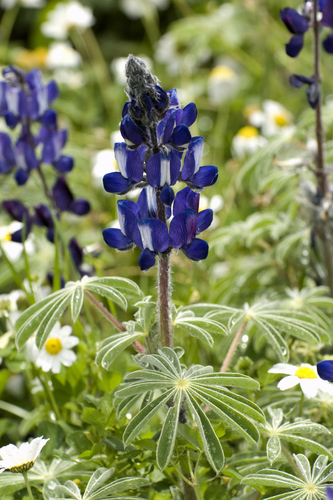
Populations growing in Israeli farms produce blue flowers that have a white vertical spot at their center.
Culinary Uses Overview
This species has several documented culinary uses.
Historical Altrei Cultivation
Historically, L. pilosus was cultivated around the South Tyrolean village of Altrei (Anterivo).
Altrei Coffee Preparation
Locals roasted its seeds, mixed them with malt grains, and infused the mixture in boiling water to create a caffeine-free hot drink with a coffee-like taste called Altreier kaffee, or Altrei coffee.
Altrei Cultivation Revival Effort
A local initiative has been working to reestablish cultivation of L. pilosus in the Altrei region since 2006, to revive this traditional culinary specialty.
Palestine Edible Plant Status
In the geographical region of Palestine, Lupinus pilosus is counted among a small number of wild edible plants.
Seed Palatability Processing
Its seeds require repeated leaching in fresh boiling water to become palatable.
Roasted Seed Preparation
After leaching, the seeds can be roasted in a skillet with a small amount of water, salted, and eaten directly.
Flour Mix Use
Prepared seeds may also be pulverized and mixed with wheat or sorghum flour to make bread.