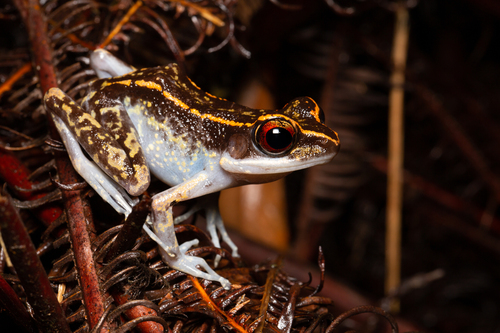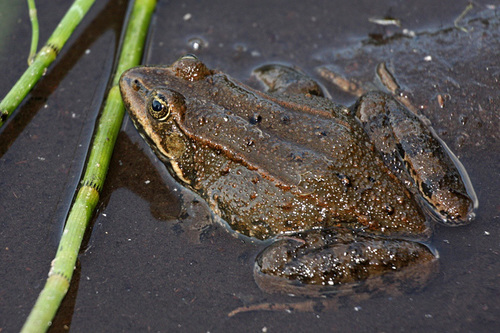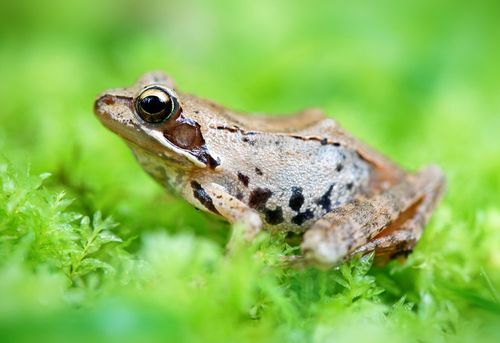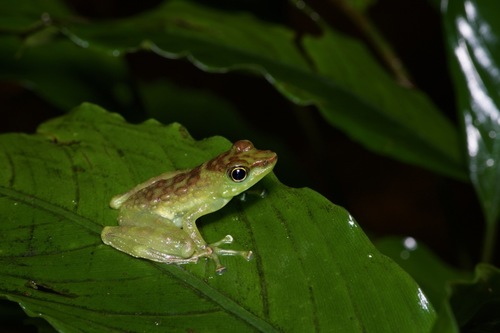
About Lithobates capito (LeConte, 1855)
Scientific Classification
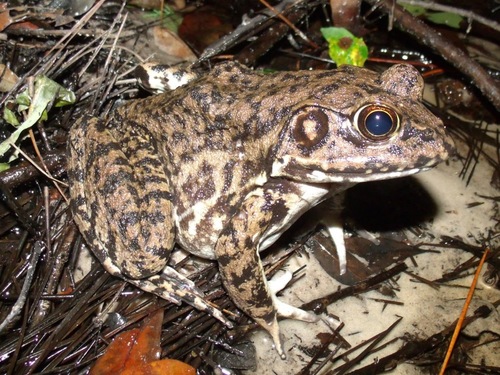
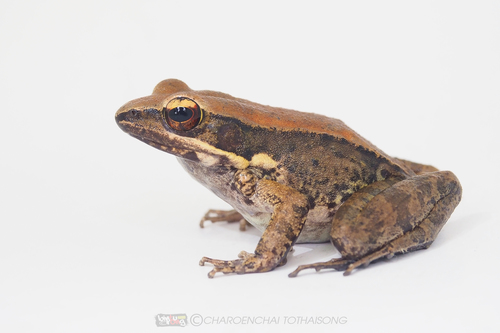
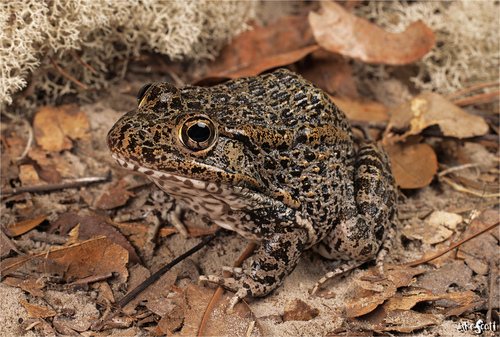
The gopher frog, scientifically named Lithobates capito, is a frog species in the family Ranidae that is endemic to the southeastern United States.
General Habitat Context
It primarily lives in the threatened sandhill communities, flatwoods, and scrub of the Atlantic coastal plain, where it is most often found near ponds.
Atlantic Seaboard Range
Gopher frogs occur along the United States Atlantic seaboard from southern North Carolina to peninsular Florida.
Gulf Coast Range
Their range extends west along the Gulf Coast to the Tombigbee River in Alabama.
Florida Subspecies Range
The Florida gopher frog is restricted to peninsular Florida.
Distribution Fragmentation Cause
Currently, the distribution of gopher frogs is patchy, largely due to the loss of longleaf pine forest communities.
Habitat Types
Gopher frogs live in flatwoods, xeric longleaf pine–turkey oak communities, sand pine scrub, and oak hammocks.
Habitat Movement Patterns
In this habitat, they move between mass breeding sites in ephemeral or semi-permanent wetlands and their summer upland habitat.
Non-Breeding Refuge Sites
During non-breeding periods, gopher frogs frequently make their homes in gopher tortoise burrows, as well as tunnels created by burrowing crayfish or rodents.
Alternative Refuge Observations
They have also been observed using holes associated with felled longleaf pine trees in North Carolina.
Post-Breeding Migration Details
Migration out of breeding habitats typically happens at night during rain, and recorded individuals have moved up to 3.5 kilometres (2.2 mi) to reach their summer refugia.
Migration Mortality Risks
While migrating through mid-May, gopher frogs may face higher mortality risks from prescribed burns and predation.