About Liolaemus darwinii (Bell, 1843)
Taxonomic History and Sexual Dimorphism Note
Liolaemus darwinii, first formally described by Bell in 1843, shows clear sexual dimorphism in appearance.
Male Coloration
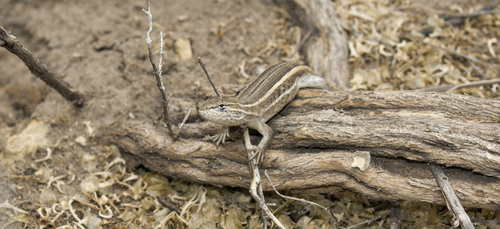
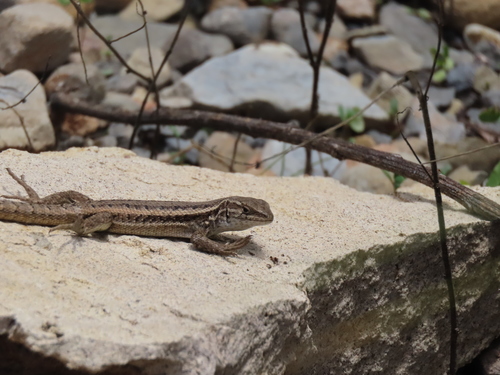
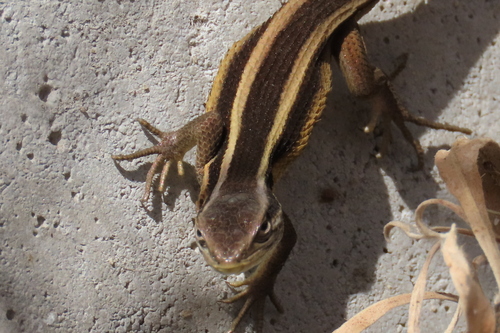
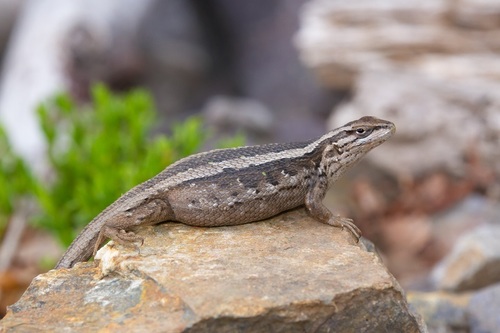
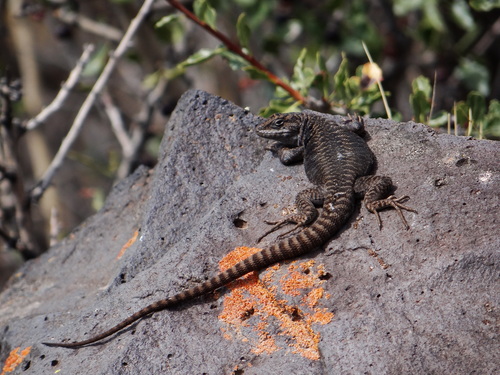
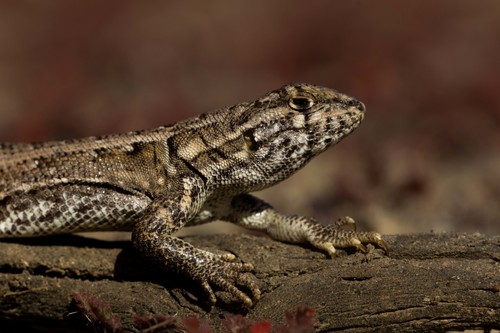
Males of this species are brown, with two yellow dorsal stripes that run along the spine, one on each side of the back.
Female Coloration
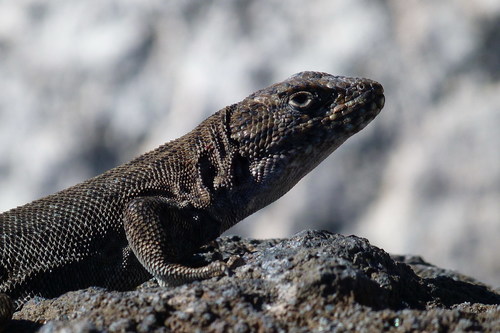
Females are entirely brown.
Habitat and Altitudinal Range
The preferred natural habitat of L. darwinii is shrubland, found at altitudes ranging from sea level up to 3,000 m (9,800 ft).
Reproductive Mode
L. darwinii is an oviparous species.
Mating and Nesting Timing
Its mating season occurs in mid-February, and nesting takes place eight months after mating.
Hatchling Size and Clutch Size
Newly hatched L. darwinii measure 5 cm (2.0 in) long, and typical clutch sizes range between 10 and 12 eggs.