About Libidibia ferrea (Mart. ex Tul.) L.P.Queiroz
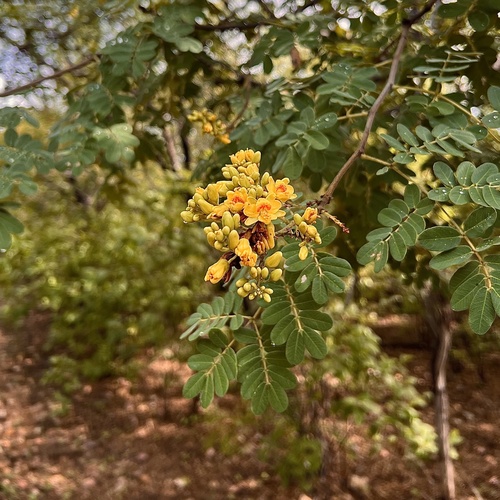
Libidibia ferrea (Mart. ex Tul.) L.P.Queiroz, formerly classified as Caesalpinia ferrea, is a tree commonly known by the common names Brazilian ironwood, leopardtree, or jucá. This species is found growing in Brazil. Within the Amazon region, Libidibia ferrea (most often referred to as jucá here) has widespread use in local popular medicine. It is indicated to treat a range of health conditions: teas and infusions are used to address bronchopulmonary conditions, diabetes, rheumatism, cancer, gastrointestinal disorders, and diarrhea, while it is also applied topically to treat wounds and bruises. Despite the many reported indications for this plant, jucá pods are most commonly used by Amazonian people to treat wounds, typically prepared as an alcoholic solution. Scientific studies have already confirmed healing activity from different parts of jucá in multiple animal species, including goats, rats, and donkeys. A recent study comparing different formulations and concentrations of ethanolic extract from jucá (Libidibia ferrea) pods found that these natural products demonstrated excellent healing activity for open dermal wounds in dogs, and also showed moderate in vitro antimicrobial activity.