About Acacia mangium Willd.
Scientific Name
Acacia mangium Willd.
Introduction
Taxonomy and Range
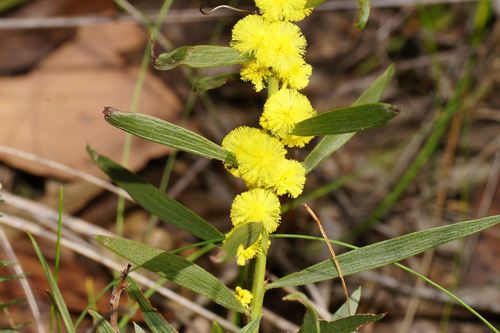
Acacia mangium is a species of flowering tree in the pea family, Fabaceae. It is native to northeastern Queensland (Australia), the Western Province of Papua New Guinea, Papua, and the eastern Maluku Islands.
Common Names
Its common names are black wattle, hickory wattle, mangium, and forest mangrove.
Uses and Discovery
It is used for environmental management and for wood production. This species was first described in 1806 by Carl Ludwig Willdenow, who recorded it as growing in the Moluccas.
Cultivation
Size and Growth Form
Acacia mangium can grow up to 30 metres (98 ft) tall, and often has a straight trunk.
Seed Characteristics
A. mangium produces approximately 142,000 seeds per kilogram. Mature seeds are dormant and require pre-germination treatments to break dormancy, such as mechanical scarification (scratching the seed surface) or treatment with boiling water.
Germination Process
These treatments produce fast germination, which typically reaches a rate exceeding 75%. Like many other legumes, A. mangium can fix nitrogen in soil.
Plantation Applications
A. mangium is a popular species for forest plantation and agroforestry projects. In mixed crop cultures, other plants can benefit from the shade provided by A. mangium and its nitrogen fixation.
Soil Preferences
A. mangium can tolerate low-fertility soils with poor drainage, but it prefers fertile sites with good drainage. Yields are influenced by soil depth and topographic position.
Growth Rate Variation
Cultivation performance differs significantly depending on distance from the equator: near the equator, the mean annual height increase is usually 3 to 4 m, while growth is slower in areas further from the equator.