Plants — 23,508 Species
Top Families in Plants
All Plants Species
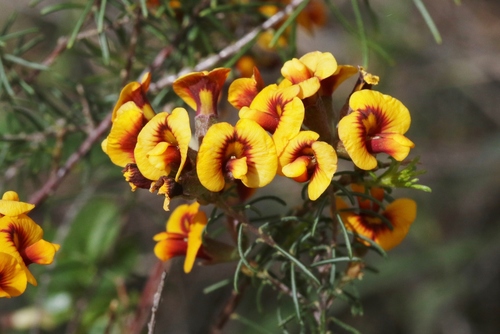
grey parrot pea
Dillwynia cinerascens R.Br.
Dillwynia cinerascens (grey parrot-pea) is a heath-like Australian shrub with mostly orange or yellow flowers.
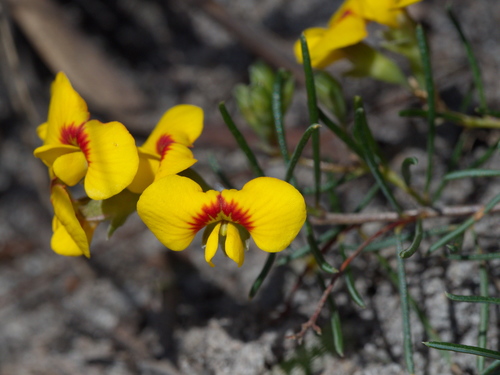
Smooth Parrot-pea
Dillwynia glaberrima Sm.
Dillwynia glaberrima Sm. is a yellow-flowered Australian shrub that prefers light shade and good drainage for cultivation.
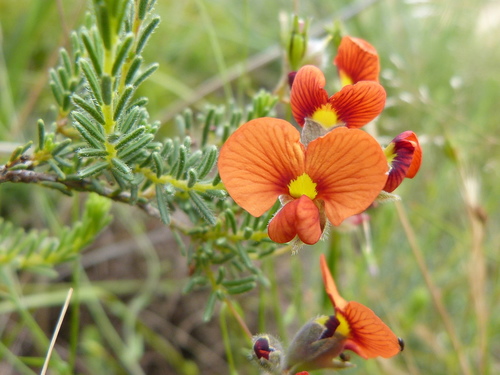
red parrot-pea
Dillwynia hispida Lindl.
Dillwynia hispida is an erect flowering shrub found in parts of southeastern mainland Australia.
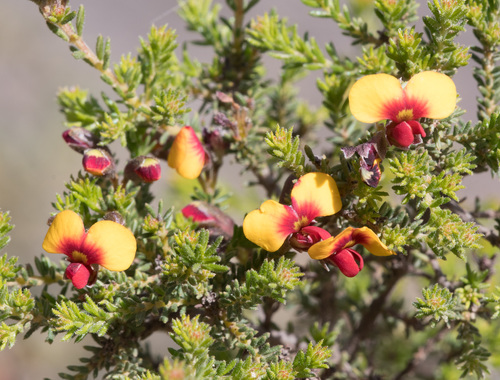
small-leaf parrot-pea
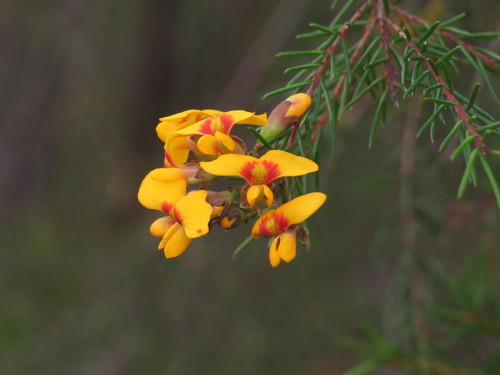
Dillwynia phylicoides A.Cunn.
Dillwynia phylicoides is a small Australian shrub with yellow-and-red flowers that grows in dry forest and woodland.
heathy parrot pea
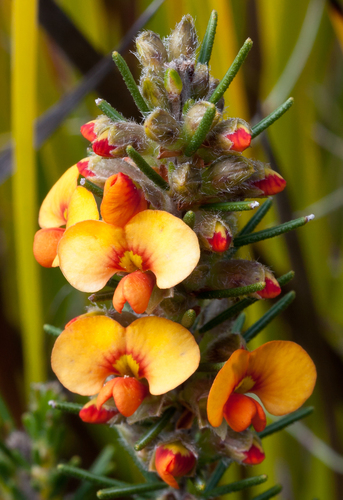
Dillwynia retorta (J.C.Wendl.) Druce
Dillwynia retorta is an upright Australian shrub that acts as a host for the jewel beetle Ethonion jessicae.
showy parrot-pea
Dillwynia sericea A.Cunn.
Dillwynia sericea (showy parrot-pea) is a flowering heath-like shrub widespread across southeastern Australia.
Longan
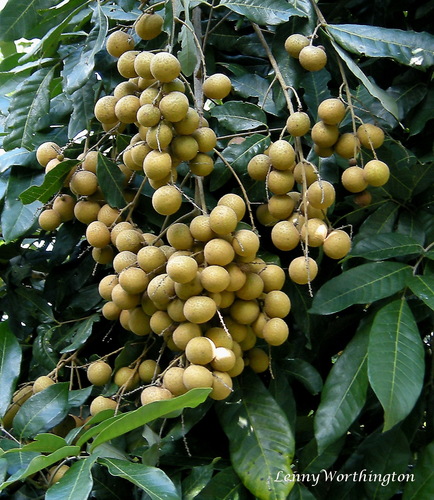
Dimocarpus longan Lour.
Dimocarpus longan (longan) is a frost-sensitive tropical fruit tree cultivated widely across Asia and other warm regions globally.
Touristplant
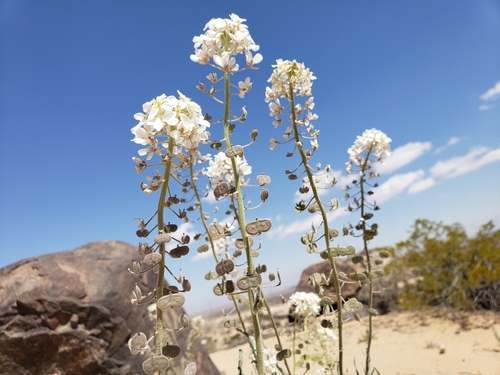
Dimorphocarpa wislizenii (Engelm.) Rollins
Dimorphocarpa wislizenii, commonly called spectacle pod, is an annual herb with distinctive seed pods and traditional uses by the Zuni people.
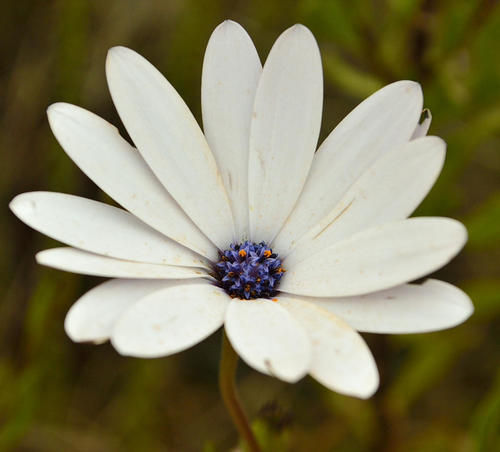
blue-and-white daisybush
Dimorphotheca ecklonis DC.
Dimorphotheca ecklonis is a South African perennial ornamental daisy, invasive in parts of Australia, widely cultivated globally.
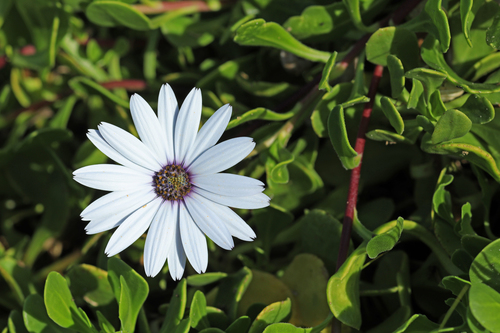
trailing African daisy
Dimorphotheca fruticosa (L.) Less., 1832
Dimorphotheca fruticosa, trailing African daisy, is a South African native perennial herb classified as a weed in coastal New Zealand.
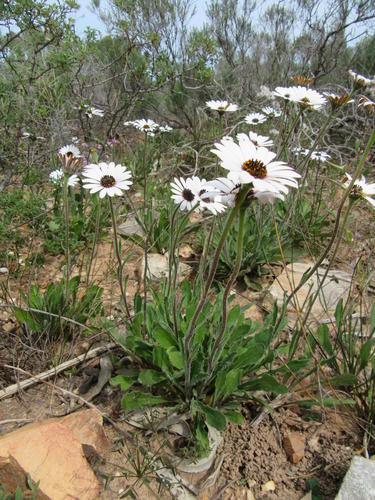
African oxeye
Dimorphotheca nudicaulis (L.) DC.
Dimorphotheca nudicaulis is a plant in the genus Dimorphotheca that is endemic to South Africa's Northern and Western Cape.
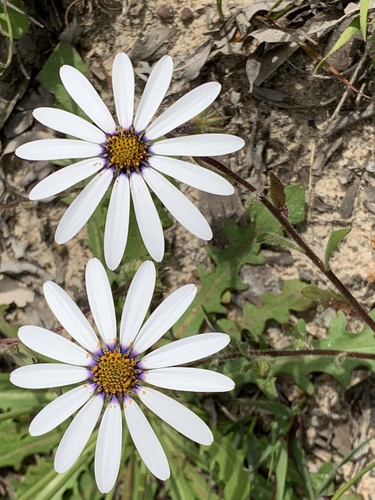
rain daisy
Dimorphotheca pluvialis (L.) Moench
Dimorphotheca pluvialis is an annual daisy-like herb native to southern Africa, sparingly naturalized in parts of California.
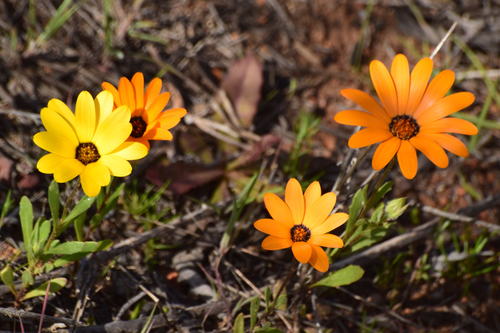
Cape marigold
Dimorphotheca sinuata DC.
Dimorphotheca sinuata is an ornamental annual daisy native to southern Africa, naturalized in parts of the western US.
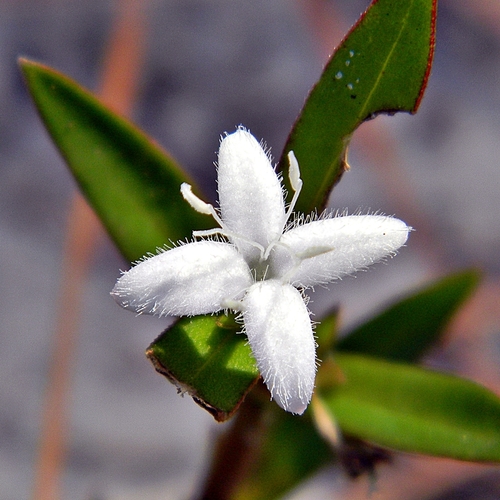
buttonweed
Diodia virginiana L.
Diodia virginiana L. is a spreading perennial weed native to parts of the Americas, naturalized in East Asia and California, found in wet and lowland habitats.
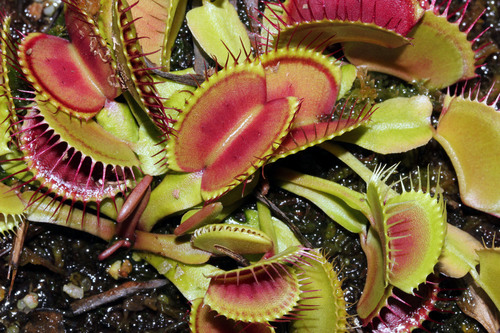
Venus flytrap
Dionaea muscipula Ellis
Dionaea muscipula (Venus flytrap) is a carnivorous plant native to the US Carolinas, cultivated widely and sold as an unproven herbal remedy.
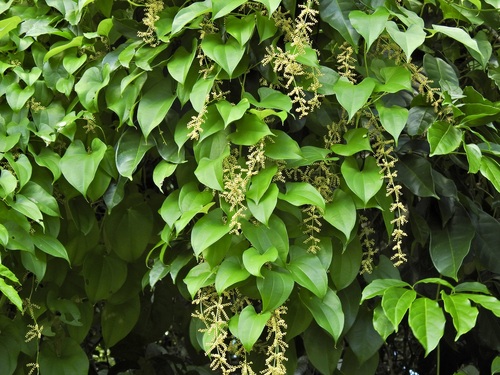
Purple yam
Dioscorea alata L.
Dioscorea alata L., commonly called purple yam or ube, is a widely cultivated staple yam originating from Asian and Oceanian tropics.
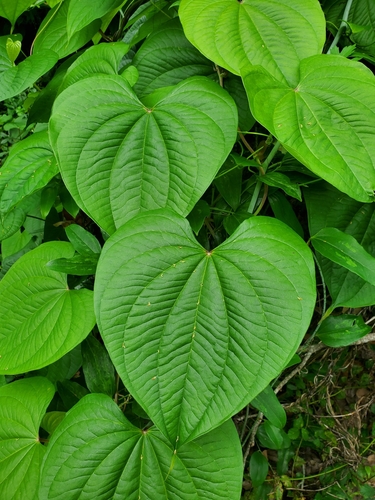
air potato
Dioscorea bulbifera L.
Dioscorea bulbifera (air potato) is a fast-growing invasive perennial vine with edible and toxic cultivated and wild varieties.
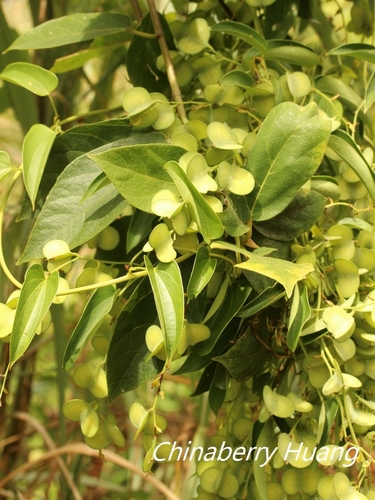
Shoulang Yam
Dioscorea cirrhosa Lour.
Dioscorea cirrhosa is a right-twining dioecious vine native to East and Southeast Asia, historically harvested as a dye source.
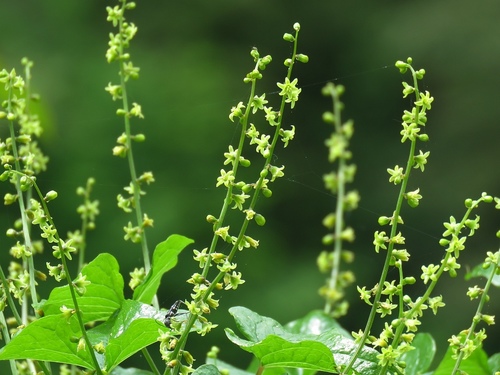
Black Bryony
Dioscorea communis (L.) Caddick & Wilkin
Dioscorea communis, or black bryony, is a poisonous climbing herb, native to Europe, northwest Africa and western Asia.
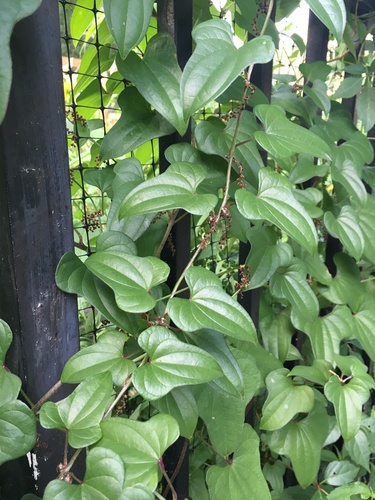
Chinese yam
Dioscorea polystachya Turcz.
Dioscorea polystachya (Chinese yam) is an edible yam cultivated for food and used in traditional Chinese medicine.
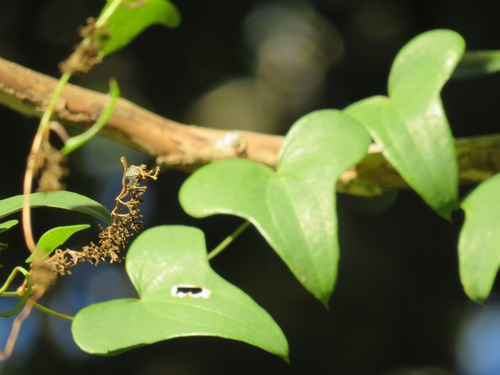
Forest Elephantsfoot
Dioscorea sylvatica Eckl.
Dioscorea sylvatica Eckl. is a variable, widespread yam with a flattened caudex and creeping foliage that grows up to 4m or taller.
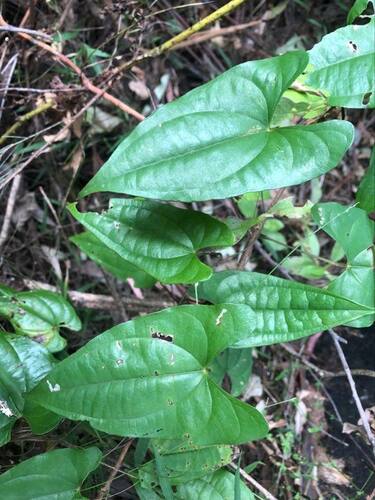
Common Yam Vine
Dioscorea transversa R.Br.
Dioscorea transversa, the pencil yam, is an Australian yam vine with edible tubers that were a traditional staple food for Aboriginal people.
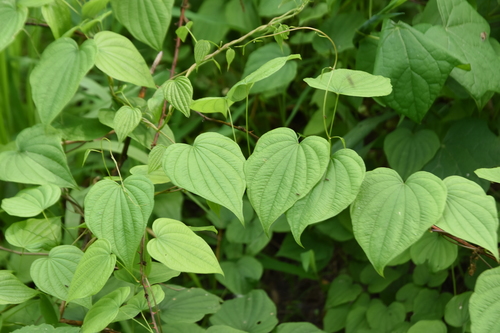
wild yam
Dioscorea villosa L.
Dioscorea villosa L. is a plant with traditional medicinal uses, but modern research shows no confirmed human benefits.
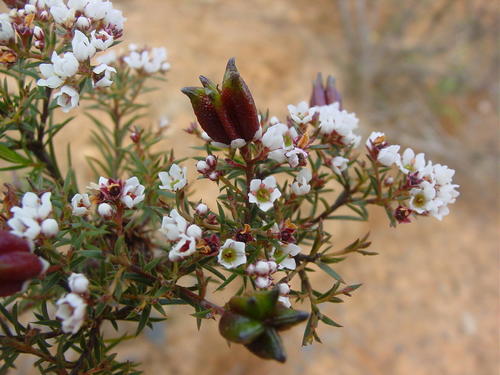
Common Bitterbuchu
Diosma hirsuta L.
The lectotype of Diosma hirsuta L., as designated by Williams in 1981, is an illustration in Plukenet's Phytographia (1694) and Almag. Bot. (1696).
Start Exploring Nature Today
Download iNature for free. 10 identifications on us. No account needed. No credit card required.
Scan with iPhone camera
Scan with Android camera


