About Kaloula borealis (Barbour, 1908)
Taxonomy and Common Name
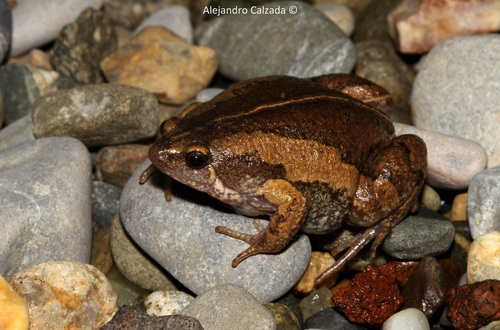
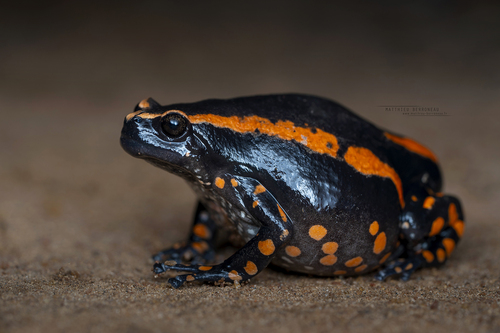
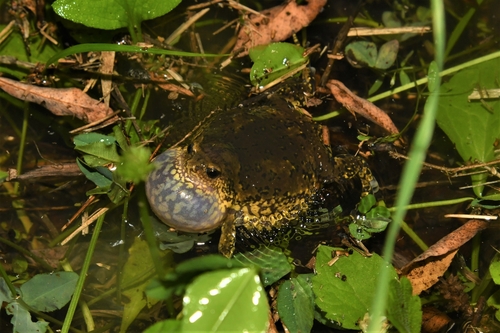
The boreal digging frog, scientifically named Kaloula borealis, is a species of microhylid (also called narrow-mouthed) frog that occurs in Northeast Asia.
Distribution Range
Its distribution spans most of central and northeastern China, the Korean Peninsula, and Jeju Island.
Adult Body Size
Adult boreal digging frogs reach approximately 4.5 cm in body length.
Adult Morphology
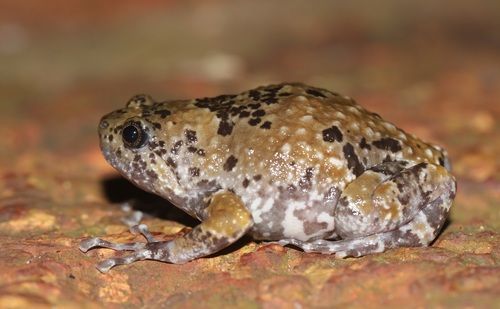
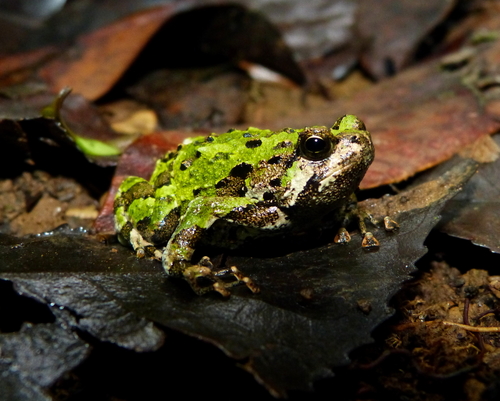
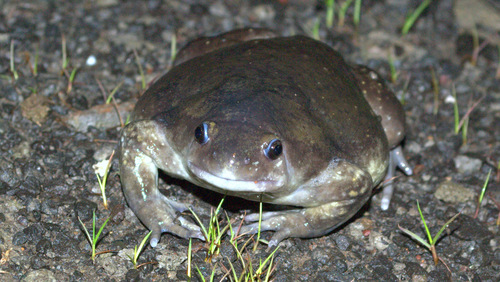
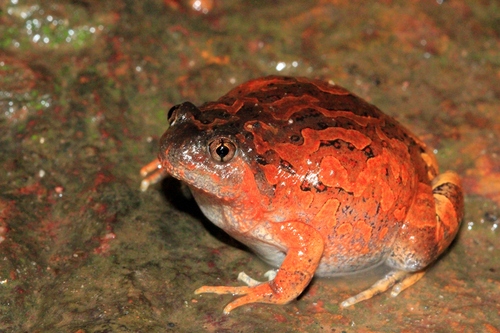
They have a round body shape, with speckled skin that resembles that of a toad.
Tadpole Size
Tadpoles of this species grow up to 35 mm (1.4 in) in length.
Conservation Status
This frog is common across most of its range, but it is classified as an Endangered category II species in South Korea.
Habitat and Altitude
It lives in cultivated fields, including rice paddies, and is often found living close to human settlements, at altitudes between 10 m and 900 m above sea level.
Breeding Period
Boreal digging frogs breed during the annual rainy season, which falls around June and July.
Post-Rainy Season Behavior
After the rainy season ends, they dig underground burrows and only emerge at night to forage for food.
Egg Laying Habits
Females lay eggs in groups of 15 to 20 in temporary pools formed by monsoon rains.
Tadpole Maturation Rate
The tadpoles mature within 30 days, which is much faster than most other frog species native to this region.