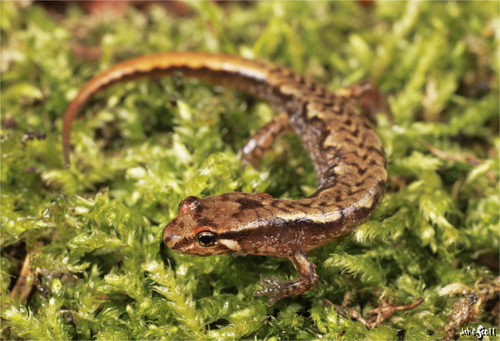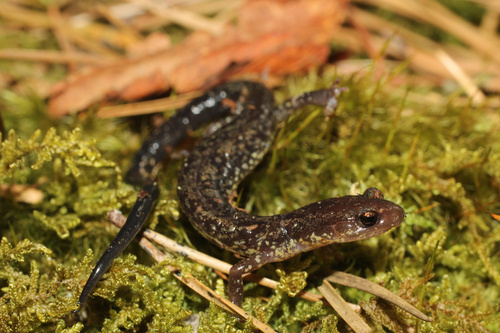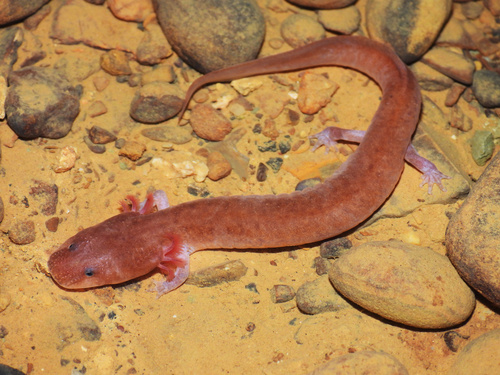
About Gyrinophilus palleucus McCrady, 1954
Taxonomy and Common Name
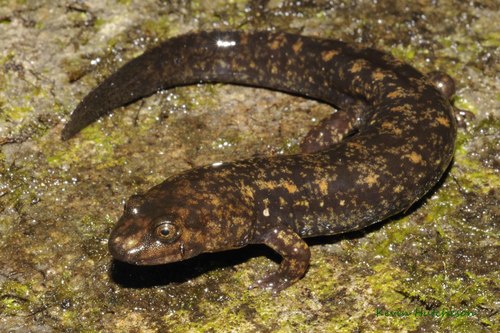
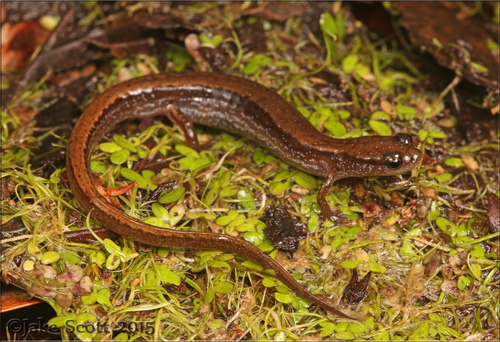
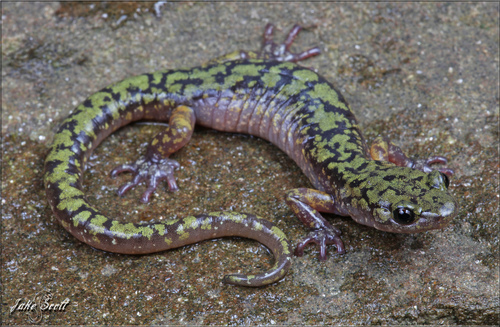
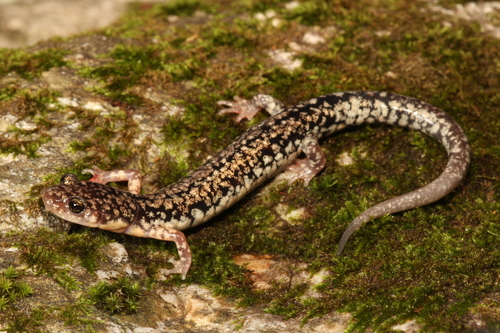
Gyrinophilus palleucus, commonly called the Tennessee cave salamander, is a species of salamander in the family Plethodontidae, endemic to the Appalachian Mountains of the United States.
Natural Habitat
Its natural habitats are streams found inside caves.
Conservation Status
The species is currently threatened by habitat loss.
Geographic Range
The Tennessee cave salamander lives on the southern Cumberland Plateau within the U.S. Appalachian Mountains, and its documented range includes south-central Tennessee, western North Carolina, northeastern Alabama, northwestern Alabama, and northwestern Georgia.
Cave Occupation
It inhabits cave systems, and it is likely present in some currently unexplored cave systems.
Diet
The diet of the Tennessee cave salamander is made up of amphipods and other small aquatic invertebrates that live in caves.
Substrate and Water Preferences
It can be found on sand, gravel, mud, or rock substrates in cave streams, rimstone pools, and isolated pools, and it prefers clear, sediment-free water.
Occurrence Outside Caves
Individuals are occasionally spotted outside of caves, and this is thought to happen when they are accidentally washed out by floodwater.
Paedomorphy
This species is usually paedomorphic, meaning it retains its larval form throughout its entire life.
Reproduction and Development
Paedomorphic Tennessee cave salamanders are able to breed while still in their larval state, though some individuals do continue developing and complete metamorphosis in the typical manner.