About Dendropsophus branneri (Cochran, 1948)
Taxonomy and Basic Classification
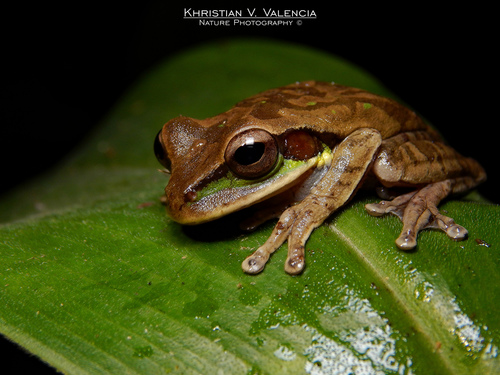
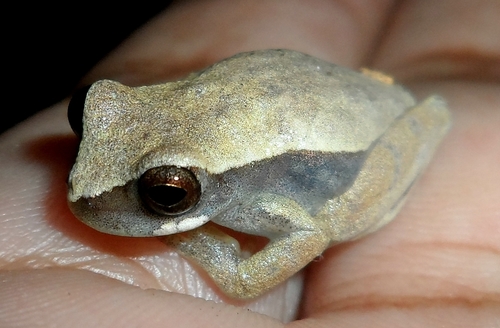
Dendropsophus branneri is a small hylid tree frog endemic to the Atlantic Forest region of Brazil.
Diet and Predation
It feeds mainly on arthropods, and is preyed upon by a range of invertebrates, including giant aquatic bugs and spiders, as well as vertebrates including snakes and birds.
Initial Conservation Status
While the IUCN Red List currently classifies this species as 'least concern', it faces rapid habitat loss driven by residential development, agriculture, logging, and land clearing for pastureland.
Male Vocalizations
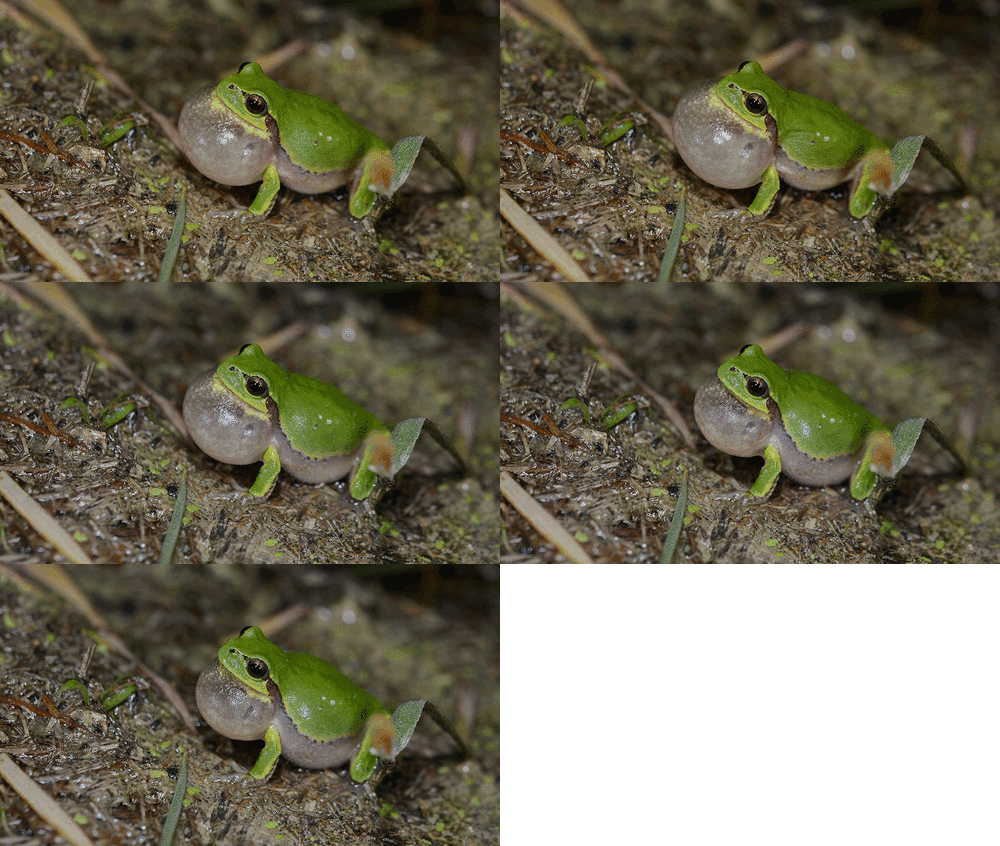
Male D. branneri are known for their distinct fighting call, which differs significantly in frequency, duration, and number of pulses per call from their mate advertisement call.
Male Aggressive Behavior
Males also readily escalate to physical fights with other males, engaging in kicking, pushing, and wrestling to force opponents into non-dominant positions.
Breeding Traits
Unlike most other frog species, D. branneri can breed in both temporary and permanent pools, which lets it occupy a wide variety of habitats and supports its broad distribution.
Geographic Range
This species is endemic to mountainous areas of the Brazilian Atlantic Forest, ranging between the states of Maranhão and Rio de Janeiro.
Specific Distribution Areas
Individuals are most commonly found between the Rio Paraíba valley and the High Muriaé River regions.
Natural Habitats
Its typical habitats include savannas, shrublands, grasslands, Restinga forests, and high-altitude swamps.
Aquatic Habitat Association
It also lives in vegetation surrounding both temporary and permanent freshwater ponds.
Adaptive Traits
Its long reproductive periods and strong adaptive capacity allow it to thrive in diverse ecosystems, and it has adapted to warm, dry climates to expand its range.
Current Conservation Threat
Currently, the restricted size of its remaining range is a threat to its survival that could increase its threat level on the IUCN Red List.
Atlantic Forest Biodiversity
The Atlantic Forest biome is known for its high biodiversity, with over 400 recorded species and more species being documented on an ongoing basis.
Anuran Proportion in Atlantic Forest
A 2013 study estimated that anurans make up 6.5% of the approximately 459 species found in the Atlantic Forest biome.
Atlantic Forest Habitat Loss
Only 7% of the Atlantic Forest's original area remains intact, due to widespread habitat destruction from residential development, agriculture, logging, and pasture clearing.
Occupation of Human-Altered Landscapes
D. branneri lives in areas subject to high anthropogenic impact, including urban areas near gardens and residential neighborhoods, and as a result of extreme habitat loss, the species has started to occupy human-altered landscapes.
Population Density in High Muriaé Region
Despite high levels of human-caused degradation, field surveys have recorded surprisingly high densities of many different frog species, including D. branneri, in the High Muriaé region.
Historical Cacao Cultivation
In the mid-1800s, parts of the Atlantic Forest occupied by D. branneri were converted to cacao cultivation using the cabruca agricultural strategy.
Cabruca Cultivation Method
This method involves planting cacao trees within thinned native forest, or alongside introduced tree species such as jackfruit, yellow mombin, and mountain immortelle.
Cabruca Area Extent
Cabruca cultivation areas today cover an area equal to 70% of the total size of remaining Atlantic Forest remnants in southern Bahia, Brazil.
Cabruca Habitat Suitability
Assessments of these cultivated areas find that they remain suitable habitat for D. branneri and other native wildlife, though they do not support the same level of habitat quality found in unaltered forest.