About Daviesia corymbosa Sm.
Growth Form
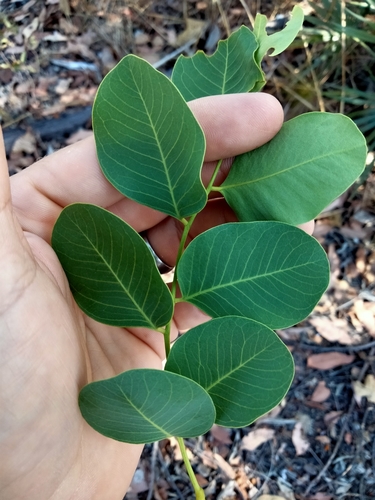
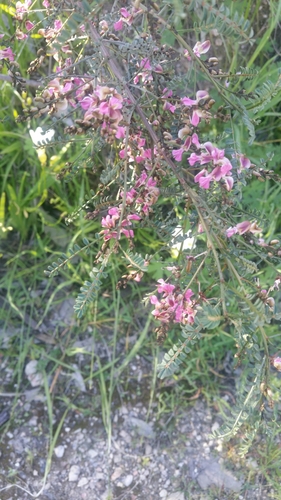
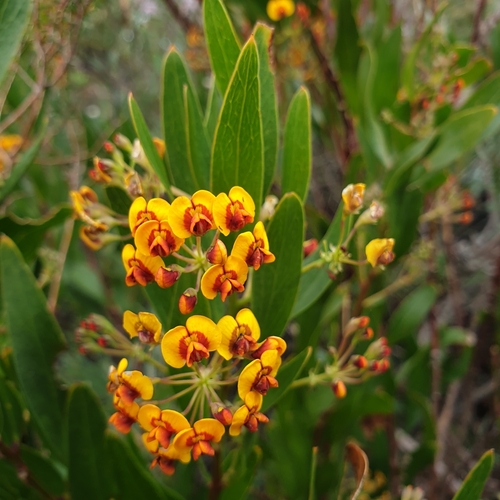
Daviesia corymbosa grows as an open shrub, reaching up to 2 m (6.6 ft) tall. Like other species in the pea family, this plant has phyllodes instead of true leaves.
Phyllode Shape
These structures vary in shape, ranging from obovate (egg-shaped) or oval to linear.
Phyllode Size and Appearance
They are 2–12 cm (1–4.5 in) long and 0.2–2.5 cm (0.079–0.984 in) wide, green in colour, and marked with a prominent network of veins.
Flowering Period
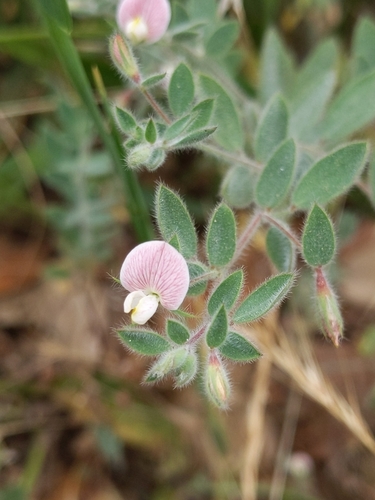
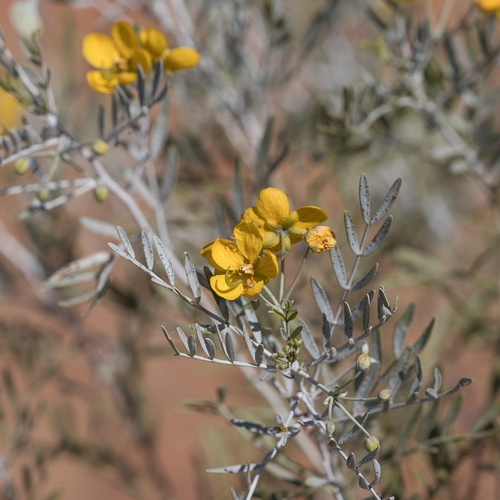
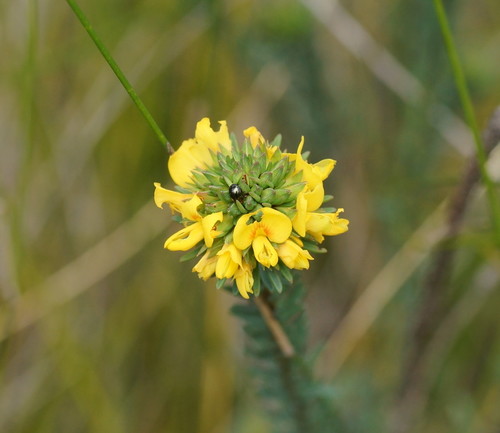
Flowers, which range in colour from yellow to red, bloom from August to December, peaking in spring during September and October.
Flower Arrangement
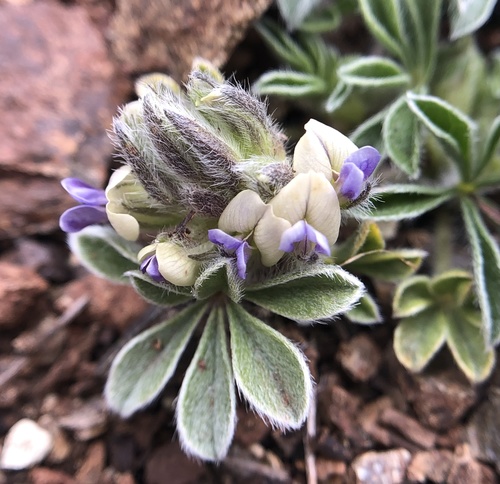
The flowers are arranged in groups of 5 to 20 in umbelliform or corymbose racemes.
Seed Pod Ripening
The plant's seed pods ripen in November and December.
Distinguishing Floral Features
This species can be distinguished from other bitter pea species by its corymbose flowerheads.
Phyllode Comparison to Related Species
Additionally, its green phyllodes contrast with the pale grey-green phyllodes of D. laevis and D. latifolia.
Endemic Range
Daviesia corymbosa is endemic to New South Wales. It grows on sandstone soils east of the Great Dividing Range, from Myall Lakes to Green Cape.
Natural Habitat
Its natural habitat is dry sclerophyll forest or heath.
Associated Plant Species
Common associated species include red bloodwood (Corymbia gummifera), yellow bloodwood (C. eximia), narrow-leaved apple (Angophora bakeri), smooth-barked apple (A. costata), and silvertop ash (Eucalyptus sieberi); watergum (Tristaniopsis laurina) and scrub beefwood (Stenocarpus salignus are associated species along creeks.
Post-Fire Regeneration
In terms of ecology, Daviesia corymbosa regenerates after bushfire by resprouting.
Host Plant Role
It acts as a host plant for the jewel beetle species Ethonion jessicae, whose larvae live in galls on the plant's stems.
Cultivation Rarity
Peas of the genus Daviesia are only rarely grown in cultivation.
Ornamental Trait
When in flower, D. corymbosa is a showy plant.
Cultivation Requirements and Propagation
It can grow in well-drained soils, planted in positions with full sun or dappled shade, and can be propagated from seed or cuttings.