About Cynopterus sphinx (Vahl, 1797)
Common Name and Snout Morphology
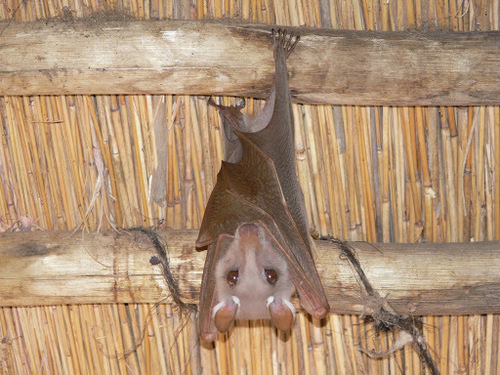
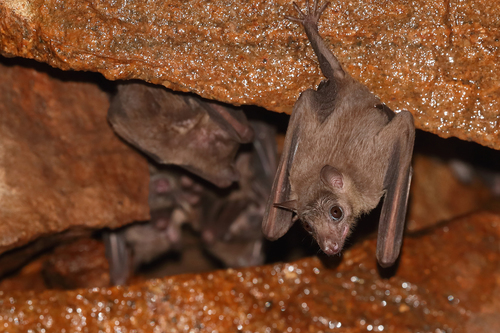
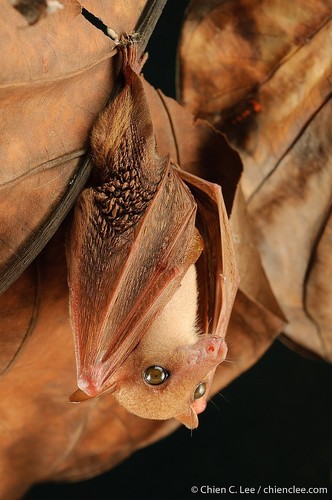
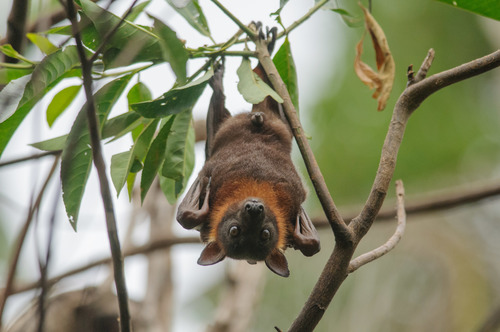
Cynopterus sphinx, commonly known as the greater short-nosed fruit bat, has a relatively long snout.
Upper Body and Underpart Coloration
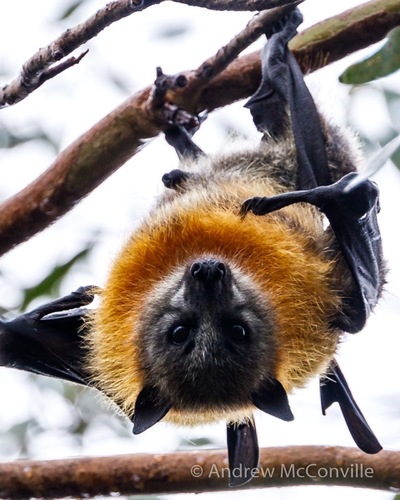
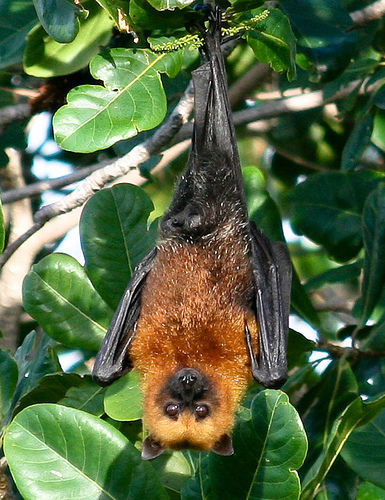
Its upper body fur ranges from brown to grey-brown, and its underparts are paler in color.
Fur Texture and Distinctive Markings
The species' fur is very fine and silky, and the edges of its ears and wing bones are marked with white.
Lower Cheek Teeth Structure
Its lower cheek teeth are rounded and lack accessory cusps.
Adult Wingspan
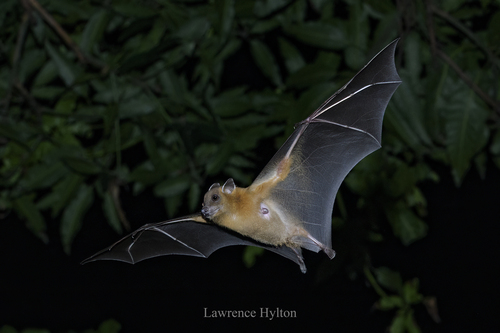
Adult individuals have a wingspan of approximately 48 centimeters (19 inches).
Juvenile Coloration
Juveniles are lighter in color than adult bats.
Forearm Length Measurements
The species has an average forearm length of 70.2 millimeters (2.76 inches), with individual lengths ranging from 64 to 79 millimeters (2.5 to 3.1 inches).
Geographic Range
This bat's range extends from Pakistan to Vietnam.
Habitat Types
It is common in tropical forests and areas where fruit crops are cultivated, and can also be found in grasslands and mangrove forests.
Palm Tree Roosting and Nest Building
It typically roosts high in palm trees, chewing palm fronds to build fairly simple tent nests.
Alternative Vine Tent Construction
When palms are not available, it will also construct tents by closely interweaving the leaves and twigs of creeping vines that grow on buildings.