About Clinopodium nepeta (L.) Kuntze
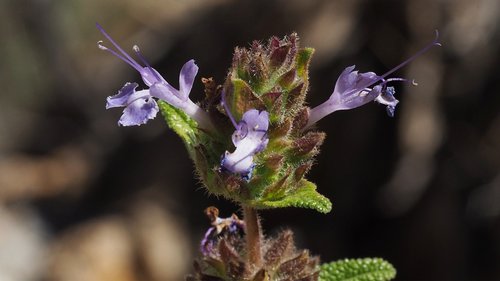
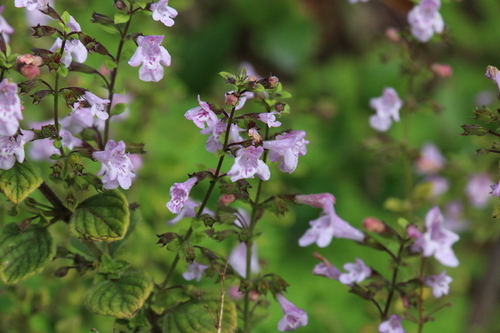
Lesser calamint, scientifically known as Clinopodium nepeta (L.) Kuntze, is a perennial shrub that forms a compact mound of shiny, green, oregano-like leaves. Its flowers are lavender pink, and the mature plant reaches a height of 46 centimetres (18 inches). Lesser calamint has a scent that is a cross between mint and oregano. It attracts honeybees and butterflies. It typically grows through the summer and well into the fall, becomes dormant during winter months, and re-blossoms in spring. In fall, after flowers fall to the ground, the plant self-seeds, and new seedlings will flower in late August. Lesser calamint often grows wild, but can also be grown in pots. The average life expectancy of a single plant is 3–4 years, and it is susceptible to powdery mildew. It is commonly used as an herb in Italian and Corsican cuisine, where it is known by several local names: nepita, mentuccia, nipitella and nepitella. In Rome, it is used to prepare Carciofi alla Romana. In southern Italy, it is added to a goat cheese called cassiedu, giving the cheese a minty taste. Some sources note that Nepeta nepetella can be used in cooking the same way as lesser calamint. C. nepeta has a long history of use as a herbal medicine; it is made into a tea used for cramps and digestive tract issues. Hydrodistilled essential oil made from C. nepeta has been used to alleviate insomnia, headache, and respiratory illness. Research has found that extracts of C. nepeta, including essential oils, have antifungal, insecticidal, and insect-repellent properties. More recently, it was discovered that some cultivars of C. nepeta contain nepetalactone, the same compound in true catnip that is well known for causing a euphoric effect in cats. This compound may also contribute to the insect-repellent properties of C. nepeta extracts.