About Caprimulgus clarus Reichenow, 1892
Species Nomenclature and Size
The slender-tailed nightjar (Caprimulgus clarus Reichenow, 1892) is a medium-sized nightjar, measuring approximately 25–28 cm in length.
Plumage and Camouflage
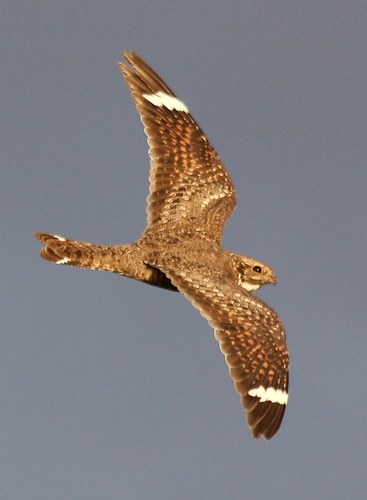
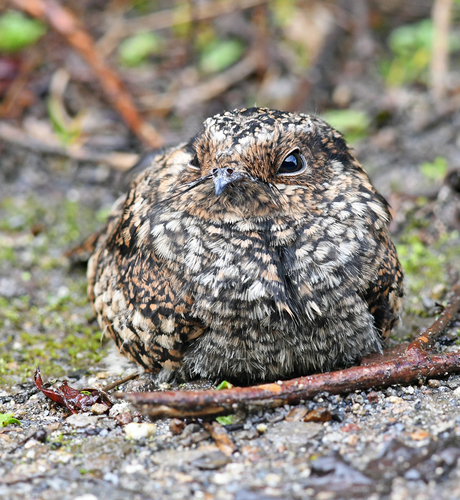
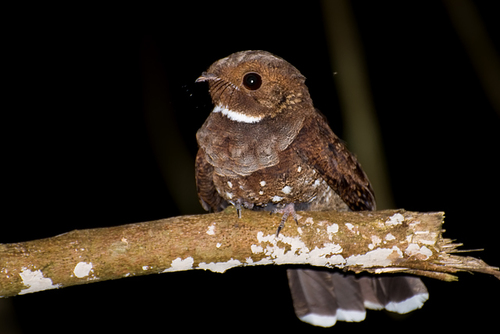
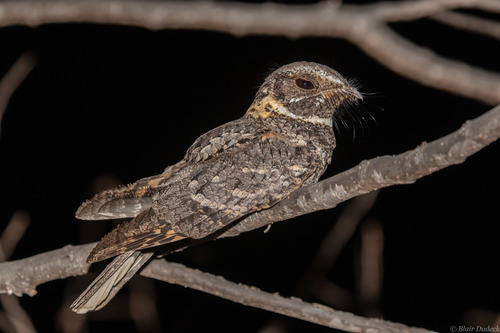
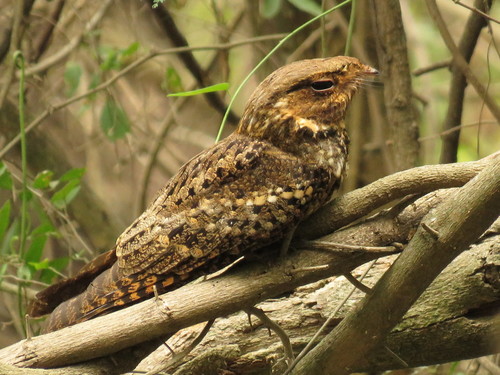
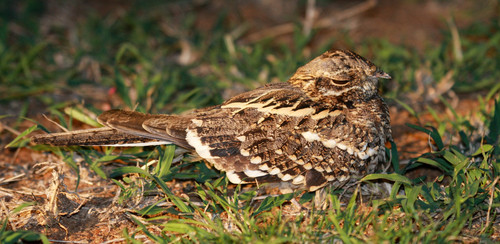
It has cryptically patterned plumage in shades of brown, grey, and black, which gives it effective camouflage against dry ground and leaf litter.
Head and Mouth Morphology
Its head is relatively large and flattened, with a small bill and a very wide gape that is adapted for catching insects in flight.
Tail Morphology
The species gets its common name from its long, tapered tail, where the central feathers extend beyond the other tail feathers.
Sexual Dimorphism
The appearance of males and females is similar, though males may have slightly more prominent pale patches on their wings.
Subspecies Status
No subspecies are currently recognized.
Geographic Distribution
This nightjar is distributed across eastern and parts of central Africa.
Habitat Types
It lives in dry, open environments including savanna, dry woodland, bushland, open scrub, rocky areas, and sparsely vegetated grassland.
Habitat Preferences
It is often found in semi-arid regions and may occur near water sources.
Movement Patterns
The slender-tailed nightjar is generally a resident species across its entire range, with no evidence of long-distance migration.
Diet and Activity Pattern
The slender-tailed nightjar is nocturnal and insectivorous.
Foraging Behavior
It forages mainly at dusk and overnight, catching flying insects such as moths and beetles while in flight.
Diurnal Roosting Behavior
During the day, it roosts on the ground or on low branches, relying on its cryptic plumage to stay hidden.
Breeding Biology Overview
Its breeding biology is poorly documented, but it is presumed to be similar to that of other members of the genus Caprimulgus.
Nesting and Egg Laying
The female lays eggs directly onto bare ground, with no constructed nest, usually in a shallow scrape among leaf litter or stones.
Vocalizations
Like other nightjars, it produces churring vocalizations, which are most often heard at dusk and during the night.