All Species Plantae

Ceratocephala orthoceras DC. is a plant in the Ranunculaceae family, order Ranunculales, kingdom Plantae. Toxic/Poisonous.

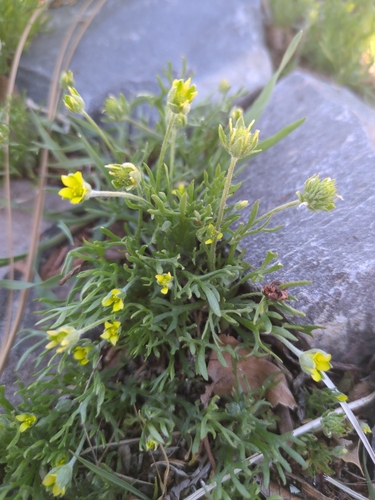
Photo of Ceratocephala orthoceras DC. (Ceratocephala orthoceras DC.)
Plantae ⚠️ Poisonous

Ceratocephala orthoceras DC.

Ceratocephala orthoceras DC.

Ceratocephala orthoceras DC., also called bur buttercup, is a small poisonous invasive flowering plant native to Eurasia.

Identify with AI — Offline
Family
Genus
Ceratocephala
Order
Ranunculales
Class
Magnoliopsida

⚠️ Is Ceratocephala orthoceras DC. Poisonous?

Yes, Ceratocephala orthoceras DC. (Ceratocephala orthoceras DC.) is classified as poisonous or toxic. Toxicity risk detected (mainly via ingestion); avoid direct contact and ingestion. Never consume or handle this species without proper identification by an expert.

About Ceratocephala orthoceras DC.

Nomenclature

Ceratocephala orthoceras DC. is a species of flowering plant that has the scientific synonyms Ceratocephala testiculata and Ranunculus testiculatus. It is native to Eurasia, and its common names are bur buttercup and curveseed butterwort.

Size

This plant is very small, typically only growing one to two inches tall, though it can reach up to four inches in height.

Vegetative and Floral Morphology

It has small, dull yellow flowers, and hairy, somewhat dissected leaves.

Fruit Structure

It produces a cluster of hard, spiny fruits called 'burs'.

Toxicity

Like other members of the buttercup family, this plant is poisonous.

Habitat Disturbance Indicator

Large populations of this species usually indicate that the land has experienced excessive disturbance.

Invasive Status

The species is classified as invasive in the northern and western United States.

Bloom Phenology

In sagebrush habitats, it is one of the first plants to bloom after snow melts.

Photo: (c) Trash Panda Permaculture, some rights reserved (CC BY-NC), uploaded by Trash Panda Permaculture · cc-by-nc

Taxonomy

Plantae Tracheophyta Magnoliopsida Ranunculales Ranunculaceae Ceratocephala
⚠️ View all poisonous species →

More from Ranunculaceae

Sources: GBIF, iNaturalist, Wikipedia, NCBI Taxonomy · Disclaimer

Start Exploring Nature Today

Download iNature for free. 10 identifications on us. No account needed. No credit card required.

App Store
Scan to download from App Store

Scan with iPhone camera

Google Play
Scan to download from Google Play

Scan with Android camera