About Anaxyrus microscaphus (Cope, 1867)
Size
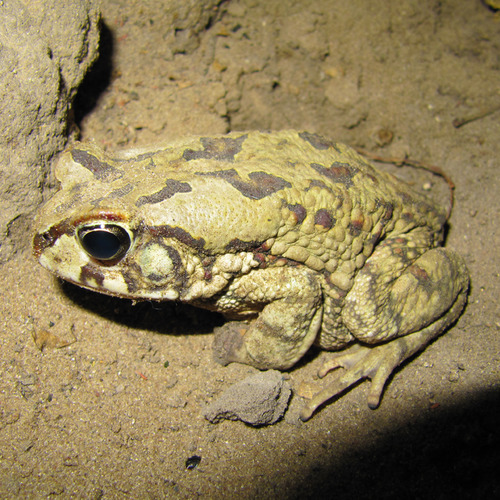
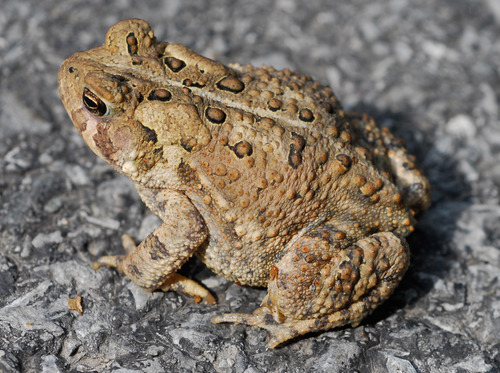
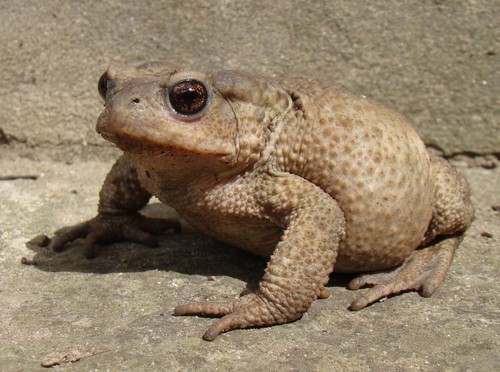
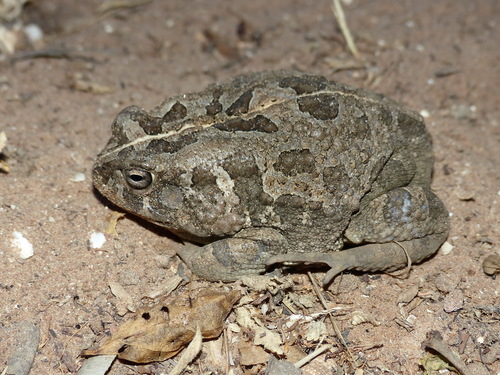
The Arizona toad (Anaxyrus microscaphus) reaches a snout-to-vent length of 53 to 79 mm, or 2 to 3 inches.
Dorsal Coloration
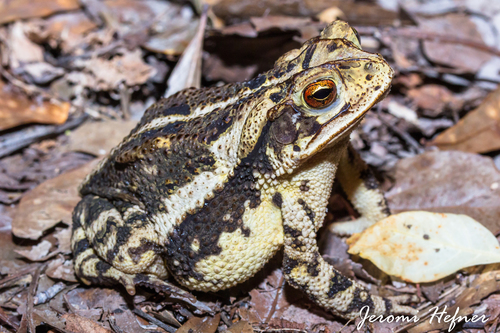
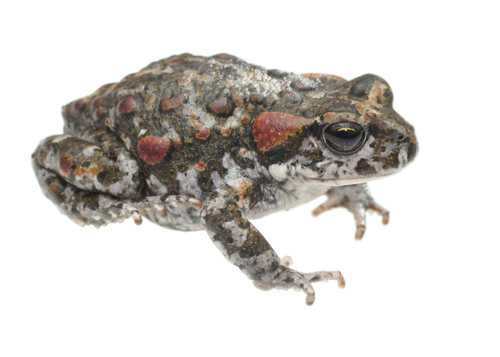
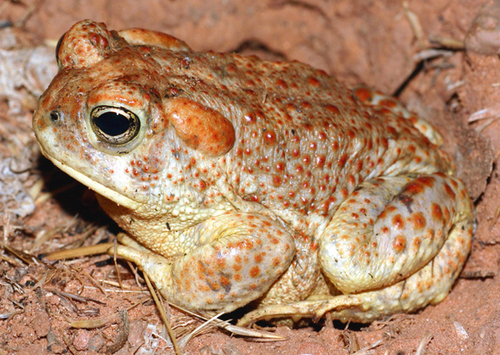
Its dorsal (back) coloration is variable, but it is often gray or beige with reddish-brown warts.
Gland and Marking Features
Its parotoid glands are oval and widely separated, and there is usually a pale stripe or patch on the head or spine.
Juvenile Coloration
Juvenile Arizona toads are often salmon-colored or greenish-brown.
Distribution Range
This species has a continuous range along the Virgin River and its tributaries in southwestern Utah and southern Nevada, and is also found across areas of Arizona and western New Mexico.
Protection Status
It is classified as a protected species in Utah, Nevada, and Arizona, with protected populations present in the Virgin River and its tributaries within Zion National Park.
Primary Habitat
Arizona toads usually inhabit sandy areas within about 100 metres, or 330 feet, of streams. They are often found in areas with flood channels and dense clumps of willow, or on nearby sandy terraces that support live oaks and cottonwoods.
High Elevation Occurrence
In Arizona and New Mexico, they sometimes occur at higher altitudes up to about 2,000 metres, or 6,600 feet, in forested riparian corridors during summer rainy periods.
Post-breeding Habitat
After the breeding season ends, they also move into irrigated fields, and can be found around reservoirs, ponds, and other impounded water bodies.