About Aethusa cynapium L.
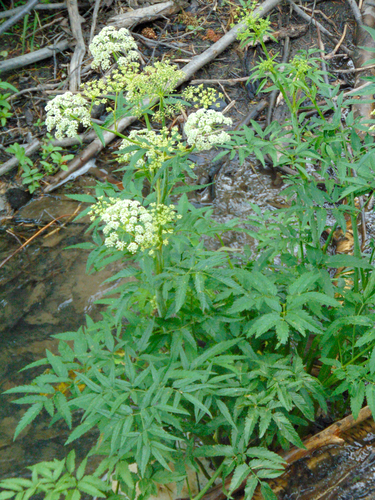
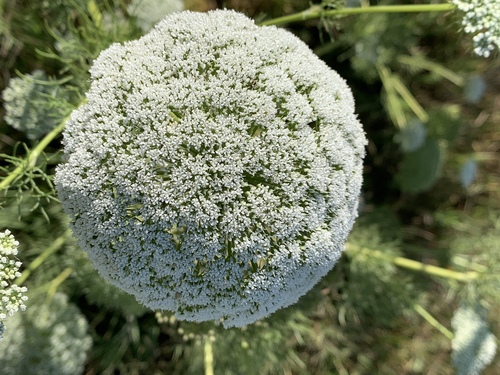
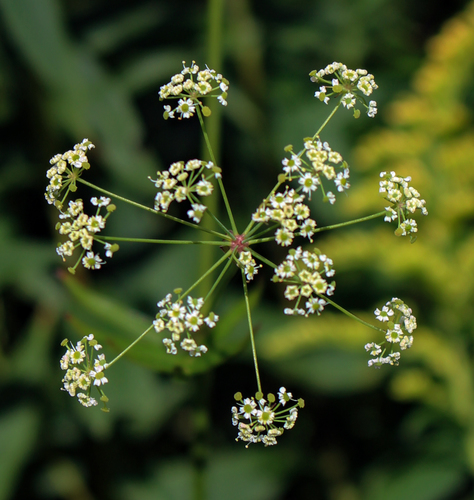
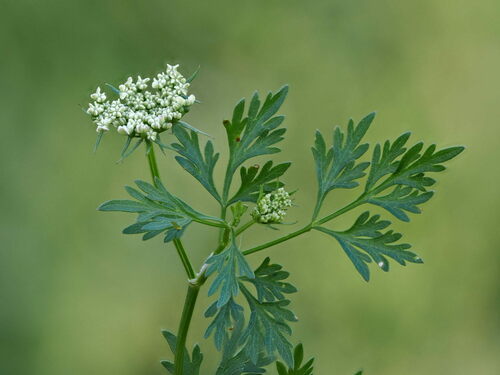
Aethusa cynapium L. has a fusiform root and a smooth, hollow, branched stem that grows to about 80 cm (31 in) tall. It produces much divided (ternately pinnate) smooth leaves that have an unpleasant smell, and small compound umbels of small, irregular white flowers. Fresh Aethusa cynapium is poisonous, but it becomes safe when dried. Its toxic effects are at least partially caused by cynopine, an alkaloid that resembles coniine in its physical characteristics, chemical properties, and physiological effects. All parts of the plant contain this toxic alkaloid, and toxins including cynopine are broken down during the drying process. This plant also contains trideca-7,9,11-trienoic acid, aethusin, aethusanol A, aethusanol B, flavone glycosides including rutoside and narcissine, and ascorbic acid. The above-ground parts of Aethusa cynapium are sometimes used to prepare medicine. In traditional medicine, it has been used to treat children's complaints, infantile cholera, summer diarrhea, convulsions, mental tension, sleep disorders, and delirium, and it has also been used as a stomachic. Studies have confirmed that Aethusa cynapium produces antianxiety effects in mice, an effect attributed to its trideca-7,9,11-trienoic acid content. Poisoning from Aethusa cynapium causes symptoms of heat in the mouth and throat. Post-mortem examinations of poisoning cases have found redness of the mucous membranes lining the gullet and windpipe, along with slight congestion in the duodenum and stomach. Because the plant's toxins are destroyed by drying, dried hay that contains Aethusa cynapium is not poisonous.