About Oxypolis rigidior (L.) Raf.
Plant Basics
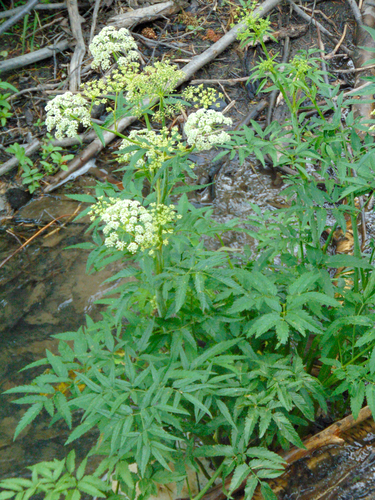
Oxypolis rigidior is a perennial herb that grows 2 to 6 feet tall, native to eastern North America.
Leaf Characteristics
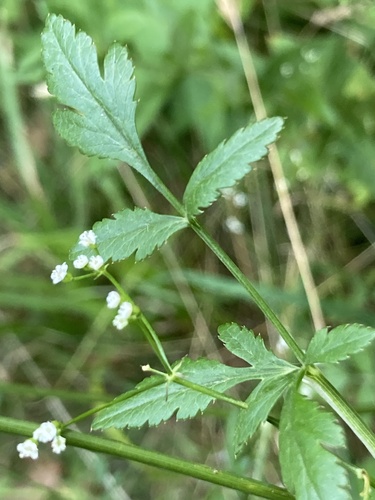
Its leaves are compound and odd-pinnate, with 7 to 11 leaflets, and have variable shape.
Flower Details
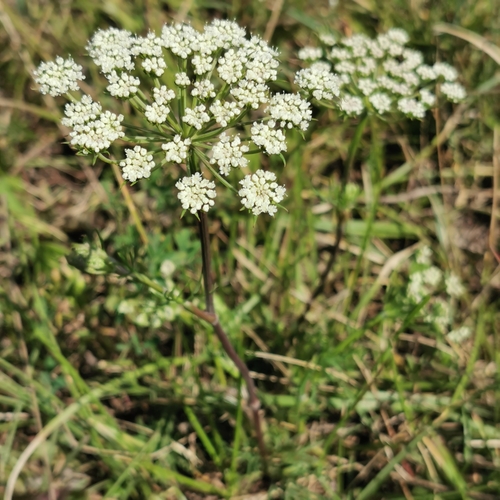
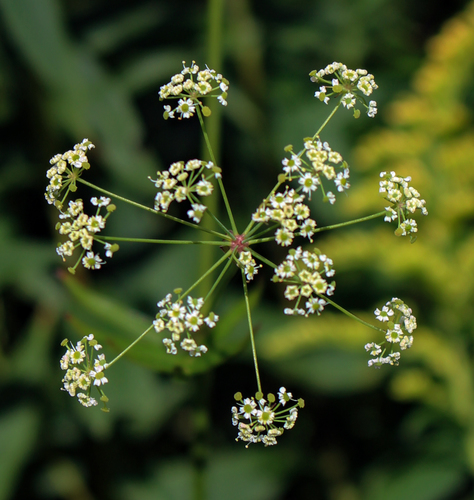
Umbels of 3 mm white flowers bloom from August to October.
Fruit Features
Flat fruits with noticeable "wings" develop from October through November.
Identification Challenges
Variable leaf shape can make this species difficult to identify.
Similar Species
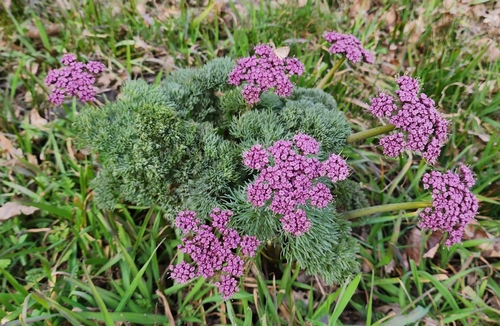
It resembles water hemlock, a related, extremely poisonous species that sometimes shares the common name "cowbane"; it is also similar to the closely related Savanna cowbane (Oxypolis ternata).
Toxicity and Edibility Disputes
Sources disagree on the toxicity and edibility of Oxypolis rigidior.
Reported Toxicity Claims
Both the aboveground parts and roots have been reported to be poisonous to mammals, including cattle.
Countering Edibility Claims
However, some sources consider the plant edible and safe.
Sam Thayer's Toxicity Assessment
Author Sam Thayer states that claims of this plant being poisonous to livestock are widespread and incorrect.
Edible Tuber Description
He reports that the plant's tubers are edible, and describes them as "fantastic in any way you'd use a potato".
Shoots and Greens Status
Thayer notes that the plant's shoots and leafy greens are not poisonous, though he does not state whether these parts are edible.
Common Name Reference
He refers to the plant as "Cherokee swamp potato", referencing its use in Cherokee cuisine.
Foraging Warning
Thayer also warns that Oxypolis rigidior should only be collected with great caution, due to its close resemblance to poisonous water hemlock.