About Acris blanchardi Harper, 1947
Taxonomy and Basic Classification
Blanchard's cricket frogs (Acris blanchardi Harper, 1947) are a species of aquatic tree frog native to North America.
General Skin Characteristics
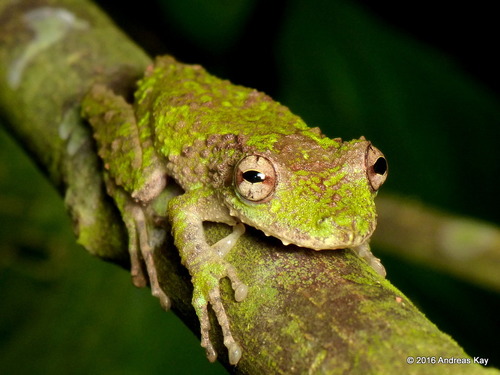
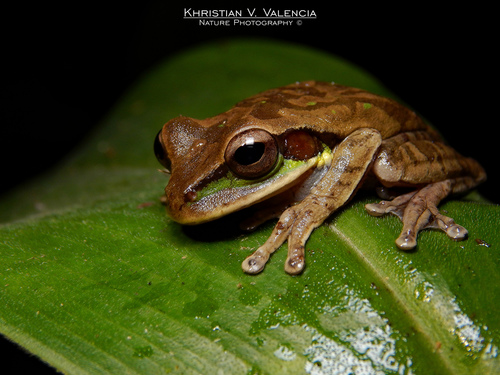
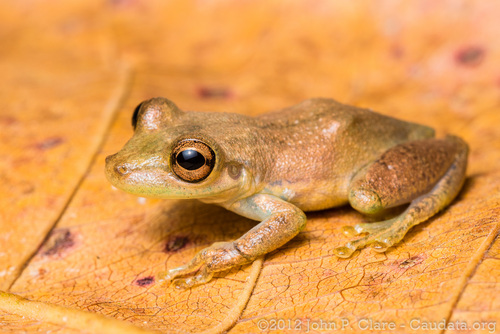
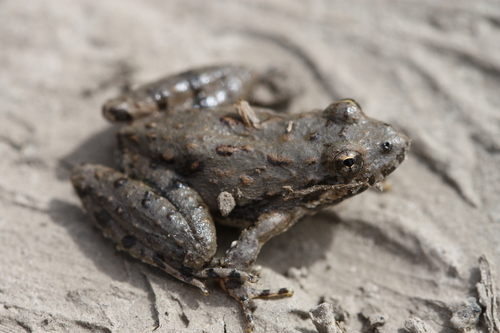
They have warty skin that is most often brown, gray, tan, or olive green, with darker colored bands on their legs.
Skin Physiology and Handling Risk
Their skin is heavily vascularized, which lets substances enter their bodies quickly and increases their susceptibility to disease. For this reason, handling these frogs with bare hands is not recommended.
Distinctive Head Marking
A dark triangular mark between the eyes is commonly seen, and this mark can be used to easily identify the species.
Dorsal Color Variation
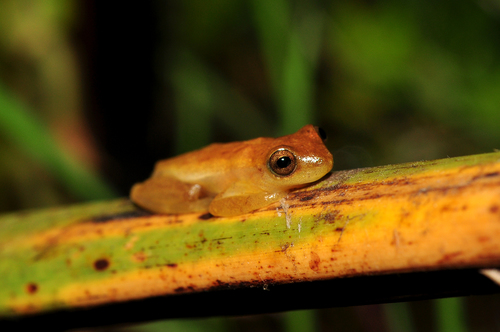
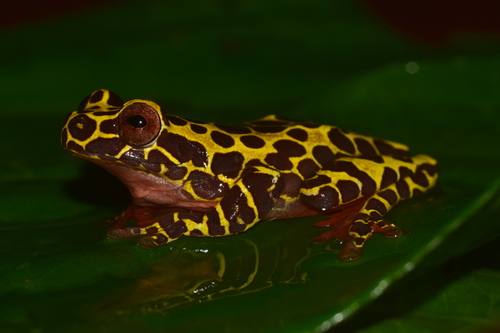
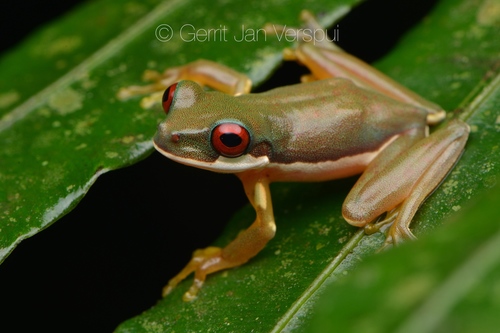
The backs of some individuals may display a variety of colors, most often dark red, orange, or light green; combinations of these colors occur more rarely.
Adult Body Size
These are small frogs, with an average adult length of 0.6 inches (1.5 cm).
Hibernation Period
Blanchard's cricket frogs hibernate during cold months, starting hibernation in late October and emerging in late March or early April.
Breeding Season Timing
Their breeding season runs from mid-May to mid-July.
Reproductive Egg Laying and Tadpole Hatching
Females lay eggs either singly or in small clusters, and tadpoles hatch in late summer.
Breeding Male Vocalization
Breeding males produce a distinctive metallic clicking call unique to this species.
Etymology
The species is named after Frank N. Blanchard, a well-known American herpetologist.
Preferred Habitat
These frogs are most often found in slow-moving or stagnant bodies of water, including streams and wetlands, where they reproduce.
Survival and Population Vulnerability
Very few individuals survive until their second breeding season. If a breeding season is not productive, local populations can decline.
Overall Geographic Range
Blanchard's cricket frogs range from northeastern Mexico north to South Dakota, and east to Ohio and West Virginia.
Eastern Range Boundaries
The southeastern edge of their range generally follows the Ohio River and the Mississippi River, and the species has been recorded in parts of western Mississippi.