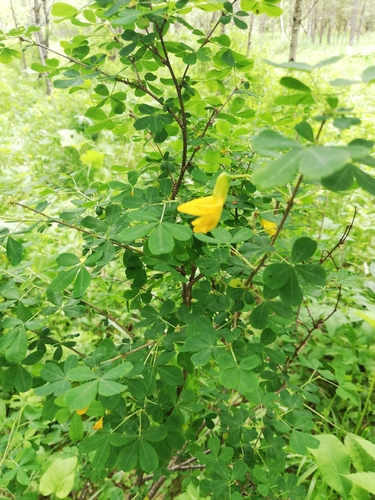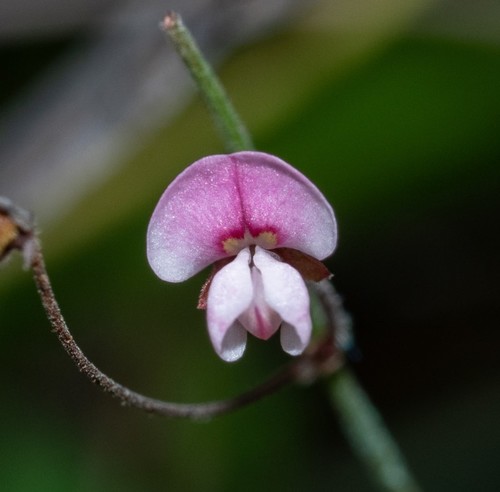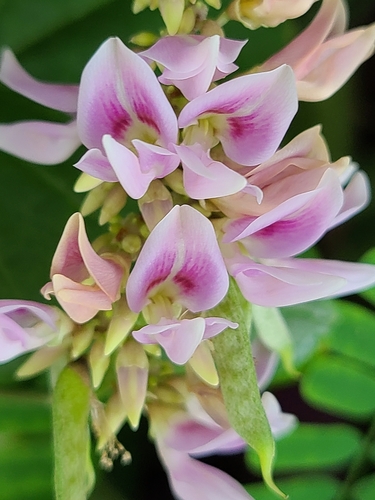
About Abrus precatorius L.
Scientific name: Abrus precatorius L.
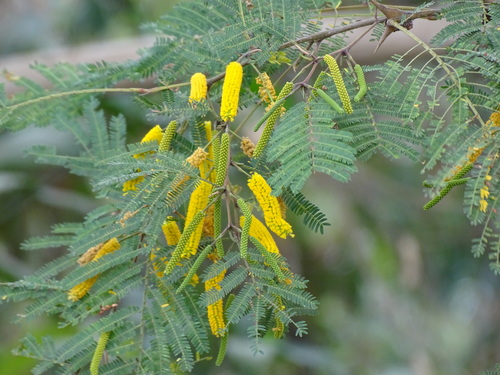
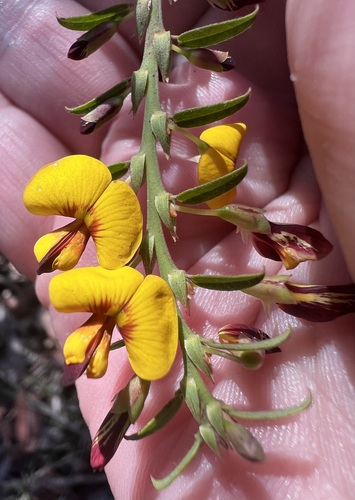
Introduction Abrus precatorius, commonly known as jequirity bean or rosary pea, is a herbaceous flowering plant in the bean family Fabaceae. It is a slender, perennial climbing vine with long, pinnately leafleted leaves that twines around trees, shrubs, and hedges. The plant is most widely recognized for its seeds: these seeds are used to make beads and for crafting percussion instruments, and they are toxic due to the presence of the poison abrin. Ingestion of a single well-chewed seed can be fatal for both adults and children. The species is native to Asia and Australia, and tends to become weedy and invasive in areas where it has been introduced.
Ecology and invasiveness Abrus precatorius is a severely invasive plant in warm temperate to tropical regions, and has effectively become pantropical in distribution. It was spread widely by human introduction, and its brightly colored, hard-shelled seeds are further dispersed by birds. By the end of the twentieth century, it was classified as an invasive weed in many regions, including parts of Belize, the Caribbean Islands, Hawaii, Polynesia, and parts of the mainland United States. In Florida specifically, the plant has invaded undisturbed pinelands and hammocks, including the ecologically vulnerable pine rocklands. Once mature Abrus precatorius plants establish under favorable conditions, their deep roots are extremely difficult to remove. The species' aggressive growth, hard-shelled seeds, and ability to grow from root suckers make infestations extremely difficult to eradicate, and re-infestation is very hard to prevent. Herbicides such as glyphosate are effective against the plant, but require skilled application to avoid causing more harm than good.
Use in traditional medicine In South Indian languages, Abrus precatorius is called Gulaganji in Kannada, kundu mani in Tamil, Guruvinda ginja in Telugu, and Kunni kuru in Malayalam. It has been used in Siddha medicine for centuries. The white variety of the plant is used to prepare an oil claimed to be an aphrodisiac. A tea made from its leaves is used to treat fevers, coughs, and colds. Because seeds are poisonous, they are only consumed after heat treatment. Tamil Siddhars recognized the plant's toxic properties and developed a purification process called "suththi seythal", which involves boiling the seeds in milk then drying them. As with castor oil, high temperatures denature the toxic protein, rendering it harmless. The 1889 book *The Useful Native Plants of Australia* records that "The roots of this plant are used in India as a substitute for liquorice, though they are somewhat bitter. In Java the roots are considered demulcent. The leaves, when mixed with honey, are applied to swellings, and in Jamaica are used as a substitute for tea. Under the name of "Jequirity" the seeds have recently been employed in cases of ophthalmia, a use to which they have long been put in India and Brazil." The plant is also used in Ayurveda, where it is said to promote hair growth, and it is sometimes used as an ingredient in Indian hair products. The leaves of Abrus precatorius are used as an anti-diabetic medicine by indigenous communities in the western region of Ghana.