Key Identification Features
- This seed pod is the only feature that can distinguish P.
- The thick, pale brown bark features cracks and vertical fissures.
For instant identification in the field, use the iNature app — AI-powered, works offline.
Fabaceae (Legume Family) is a plant family in the Plantae kingdom, order Fabales, class Magnoliopsida. The family contains 2,445 accepted species worldwide. Some species in this family are toxic — exercise caution when handling unknown specimens.
For instant identification in the field, use the iNature app — AI-powered, works offline.
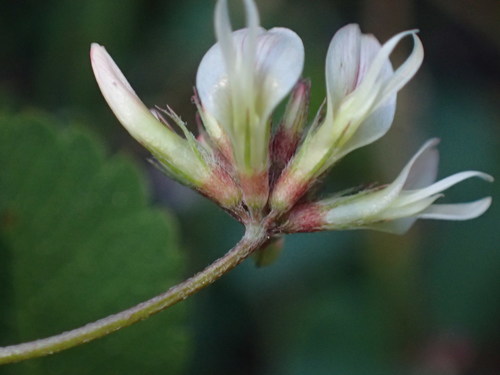
Trifolium breweri S.Watson
Trifolium breweri is an adaptive mat-forming perennial herb found in western US …
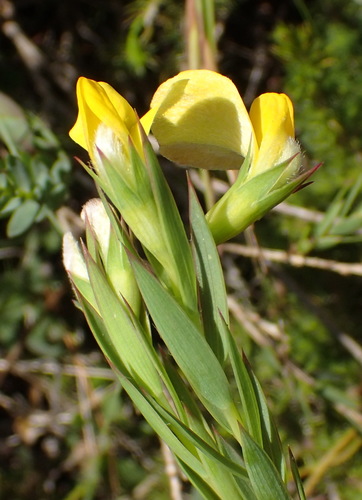
Aspalathus angustifolia (Lam.) R.Dahlgren
The lectotype of Aspalathus angustifolia, designated by Dahlgren in 1968, is an …
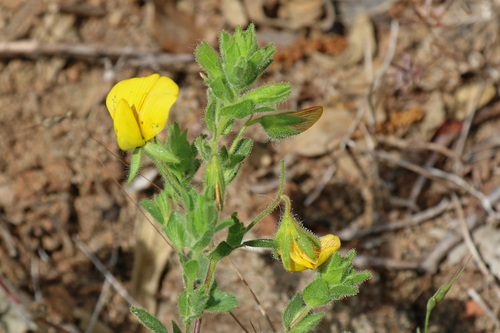
Ononis viscosa L.
Ononis viscosa L. is a small self-supporting annual herb in Fabaceae with broad …
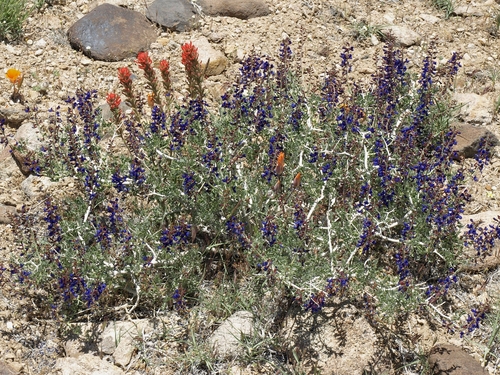
Psorothamnus arborescens (Torr. ex A.Gray) Barneby
Psorothamnus arborescens is a purple-flowered shrub native to dry, desert habita…
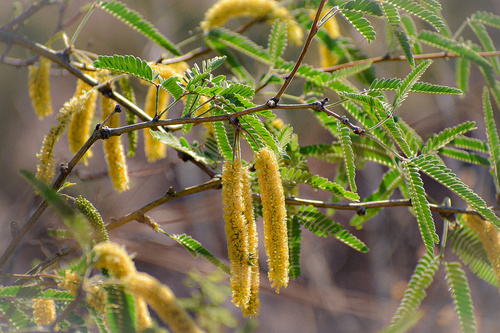
Prosopis chilensis (Molina) Stuntz
Prosopis chilensis, also called Neltuma chilensis, is a drought-resistant decidu…
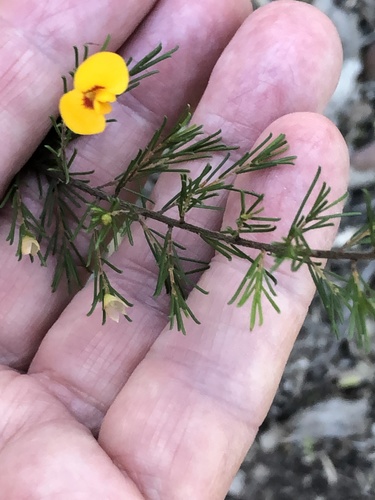
Dillwynia tenuifolia Sieber ex DC.
Dillwynia tenuifolia is an erect Australian shrub with orange-yellow and red sta…
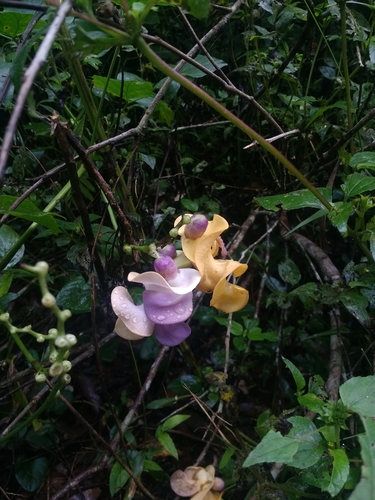
Cochliasanthus caracalla (L.) Trew
Cochliasanthus caracalla is a vining plant with distinctively shell-shaped fragr…
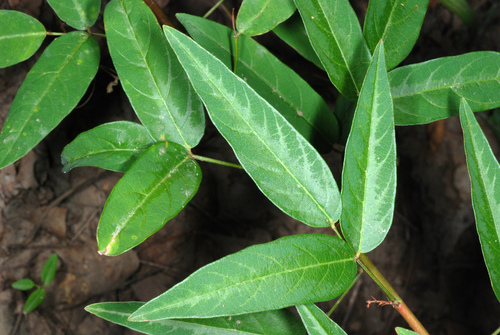
Desmodium paniculatum (L.) DC.
Desmodium paniculatum is a native legume that works as warm-season protein fodde…
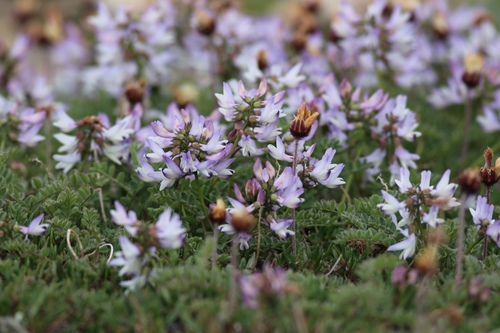
Astragalus alpinus L.
Astragalus alpinus L. is a variable nitrogen-fixing perennial herb widespread ac…
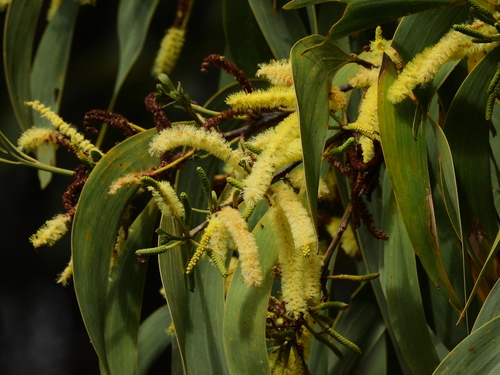
Acacia crassicarpa A.Cunn. ex Benth.
Acacia crassicarpa is a tropical tree with fissured bark, yellow flower spikes, …
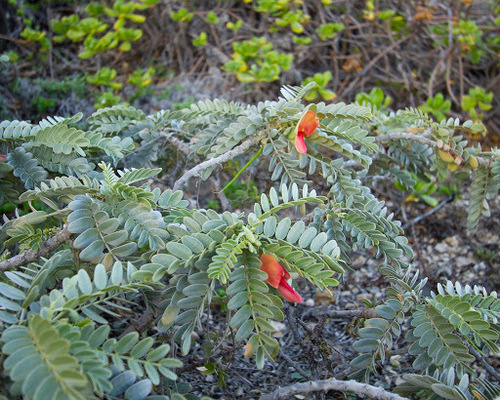
Sesbania tomentosa Hook. & Arn.
Sesbania tomentosa (ʻōhai) is an endangered endemic Hawaiian pea plant with high…
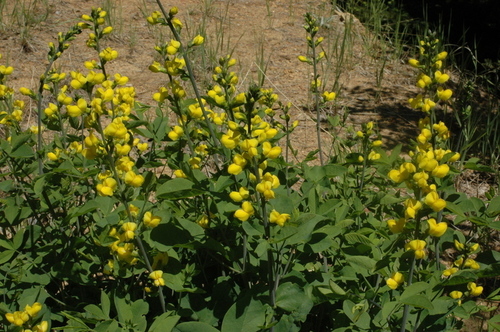
Thermopsis gracilis Howell
Thermopsis gracilis Howell is a rhizomatous perennial herb with yellow pealike f…
Fabaceae plants belong to the Fabales order in the Plantae kingdom. This seed pod is the only feature that can distinguish P. For instant identification, use the iNature app — AI-powered and works offline.
Fabaceae is classified in the order Fabales, class Magnoliopsida, phylum Tracheophyta. The thick, pale brown bark features cracks and vertical fissures.
Yes, some Fabaceae species are toxic or poisonous. Always exercise caution with unknown specimens. View poisonous Fabaceae species or browse the full poisonous species guide.
Sources: GBIF, iNaturalist, Wikipedia · Disclaimer
Download iNature for free. 10 identifications on us. No account needed. No credit card required.
Download Free on App Store
