Key Identification Features
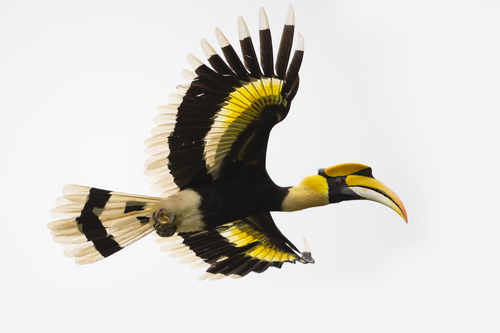
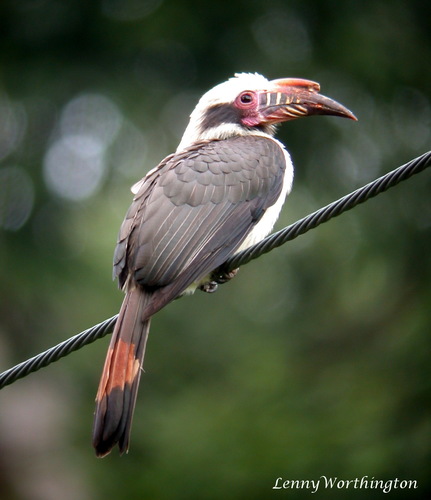
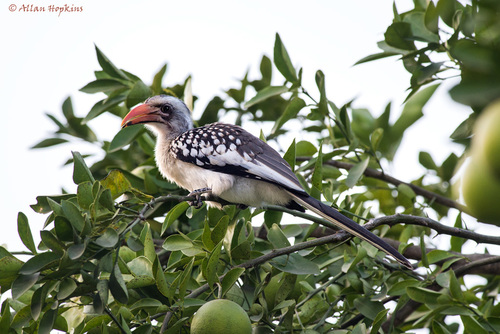
- The species' most prominent feature is the bright yellow and black casque on top of its massive bill.
- This anatomical feature was first noted by Richard Owen, who dissected a great hornbill specimen that died at the Zoological Society of London in 1833.
- Males can be identified by a dark upper mandible with a creamy-yellow mark or horizontal stripe, while females have tricolored upper mandibles tipped with red.
- Its large size means its wings produce a distinct whirring sound during flight.
For instant identification in the field, use the iNature app — AI-powered, works offline.