About Veronica ciliolata (Hook.fil.) Cheeseman
Taxonomic Naming
Veronica ciliolata (Hook.fil.) Cheeseman was first formally described by botanist Thomas Cheeseman in 1906.
Genus Context
It is a species in the genus Veronica, a group that contains over 500 species distributed across the world.
Etymology
Its specific epithet "ciliolata" references the small cilia (hairs) that grow on this plant's leaves and stems.
Vegetative Morphology
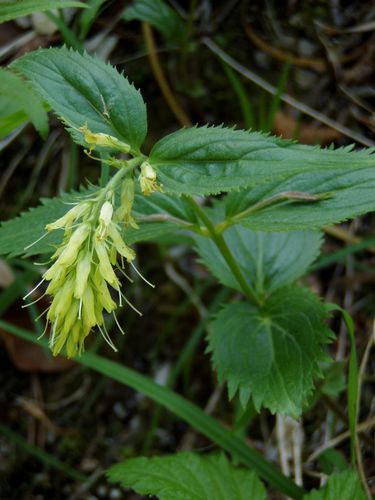
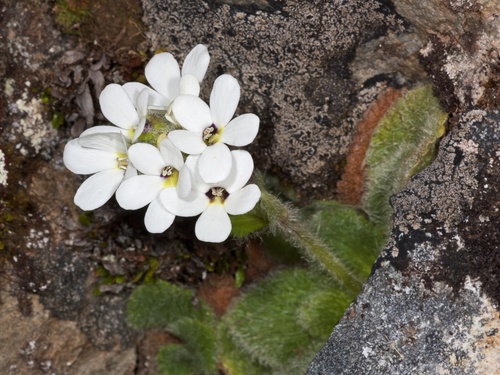
This species can be identified by its small, lobed leaves and slender stems.
Flower Characteristics
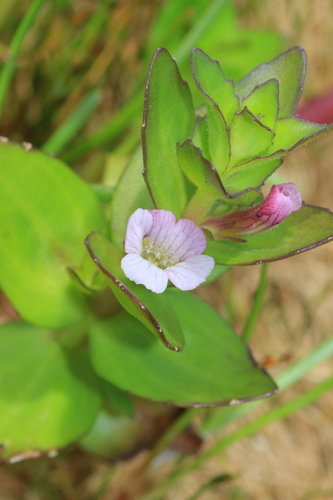
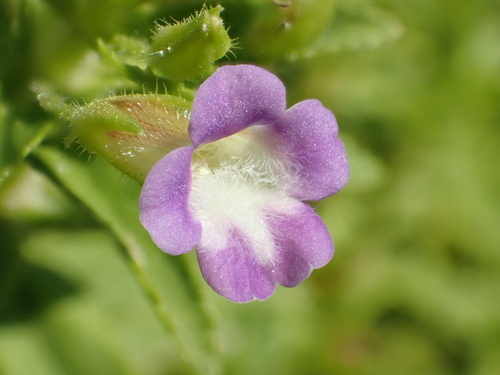
The stems hold clusters of tiny pale blue flowers that have fringed petals.
Bloom Period
These flowers bloom during spring and summer, and they attract pollinators including bees and butterflies.
Endemism
This species is endemic to New Zealand, where it grows in a range of different habitats including grasslands, forests, and wetlands.
Distribution Range
It can be found across both the North Island and the South Island of New Zealand, most often in moist, shaded areas that have well-drained soils.
Ornamental Value
Veronica ciliolata is grown as an ornamental plant for gardens and landscapes, and is valued for its delicate flowers and compact growth habit.
Cultivation Requirements
It is well-suited for planting in rockeries, borders, and containers, and prefers moist, well-drained soil and partial shade.
Horticultural Varieties
Cultivars and hybrids of this species are sold through horticultural trade, giving gardeners a selection of options with different flower colors and growth habits.