About Trifolium subterraneum L.
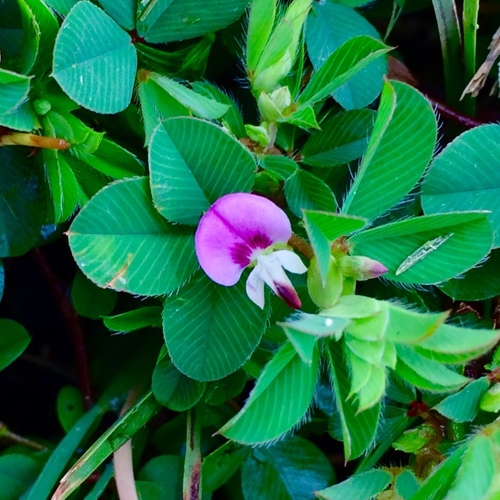
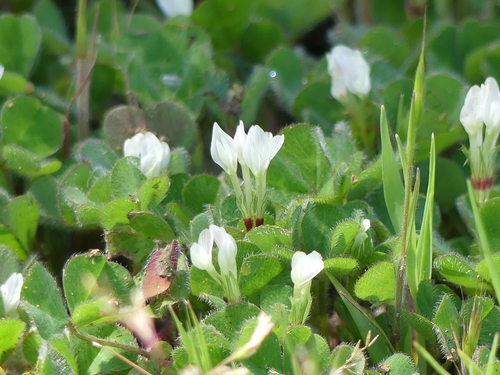
Trifolium subterraneum L., commonly known as subterranean clover (often shortened to sub clover) or subterranean trefoil, is a species of clover native to Europe, Southwest Asia, Northwest Africa, and Macaronesia. Its name refers to its underground seed development, called geocarpy, a trait that other clovers do not have. This species can grow well in poor-quality soil where other clovers cannot survive, and it is cultivated commercially for use as animal fodder. Three distinct subspecies are used in agriculture, each with its own ideal climate and soil requirements, which lets the species be widely grown across diverse environments. T. subterraneum subsp. subterraneum is a generalist subspecies that can be grown in the broadest range of environments. T. subterraneum subsp. yanninicum is grown in moist areas that are prone to flooding or waterlogging. T. subterraneum subsp. brachycalycinum is more sensitive, requiring dry, cracked soil to germinate. Some plant taxonomists consider these three taxa to be separate species. There are many strains and varieties of these subspecies, but only a few are widely used. Mixing different subspecies in a single field is a popular method to ensure a dense crop. Subterranean clover is also sometimes mixed with alfalfa to create a longer-lasting grazing pasture. Unlike most legume forage crops such as alfalfa and other clovers, which are pollinated by insects (especially honeybees), this species is self-fertilizing. The flowers of sub clover are often positioned beneath its leaves and produce little nectar, making them difficult and unappealing for bees to access. These traits also make the plant less attractive to certain types of pest insects. Subterranean clover is one of the most commonly grown forage crops in Australia, where it provides high-quality forage for livestock. It is also grown in regions such as California and Texas, where wide variation in soil type and quality, rainfall, and temperature make the varied tolerances of sub clover particularly useful. Subterranean clover can contain high levels of estrogenic compounds that may interfere with the health and reproductive capacity of animals that consume it.