About Tilia tomentosa Moench
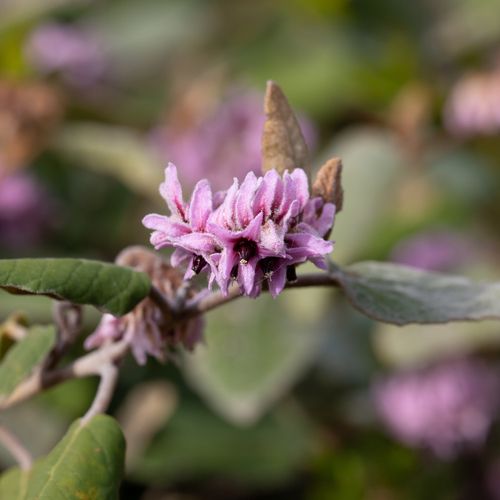
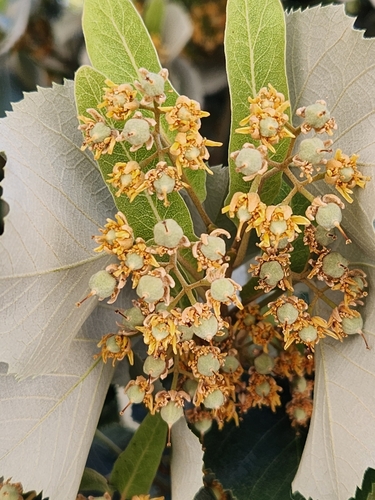
Tilia tomentosa Moench is a deciduous tree that reaches 20–35 m (66–115 ft) in height, with a trunk that can grow up to 2 m (7 ft) in diameter. Its leaves are alternately arranged, shaped rounded to triangular-ovate, 4–13 cm long and wide, attached by a 2.5–4 cm petiole. The upper leaf surface is green and mostly hairless, while the lower surface is densely covered in white tomentose hairs, and the leaf margin is coarsely toothed. The pale yellow hermaphrodite flowers are borne in cymes of 3 to 10, produced from mid to late summer, and are accompanied by a pale green leafy subtending bract. The flowers have a strong scent and are pollinated by honeybees. The fruit is a dry, downy, slightly ribbed, nut-like drupe 8–10 mm long. Tilia tomentosa is widely grown as an ornamental tree across Europe. Two common cultivars are 'Brabant', which has a strong central stem and a symmetrical conical crown, and 'Petiolaris' (also called pendent or weeping silver lime), which is distinguished by longer leaf petioles 4–8 cm long and drooping leaves. 'Petiolaris' is of unknown origin, usually sterile, and may be a hybrid with another Tilia species. Tilia tomentosa is highly tolerant of urban pollution, soil compaction, heat, and drought, making it an excellent choice for a street tree in urban areas. In UK cultivation, the cultivar T. tomentosa 'Petiolaris' has received the Royal Horticultural Society's Award of Garden Merit. An infusion prepared from the flowers of T. tomentosa has antispasmodic, diaphoretic, and sedative properties, which may be due to the presence of pharmacologically active benzodiazepine receptor ligands. A common widespread belief claims that the nectar of this species contains mannose that is toxic to some bees, but this claim is incorrect. Instead, the observation of many comatose bees found on the ground under these trees during flowering is caused by the scarcity of nectar sources in late summer in urban areas. This conclusion that nectar toxins are not responsible for mass bee deaths under Tilia trees is further supported by research from Koch and Stevenson (2017), who also suggest that caffeine present in linden nectar may allow linden trees to chemically deceive foraging bees into making sub-optimal foraging choices, which can lead to starvation in some cases. Even though this species produces fragrant blooms in spring, it drops buds and pollen during both spring and fall.