About Thymelaea hirsuta (L.) Endl.
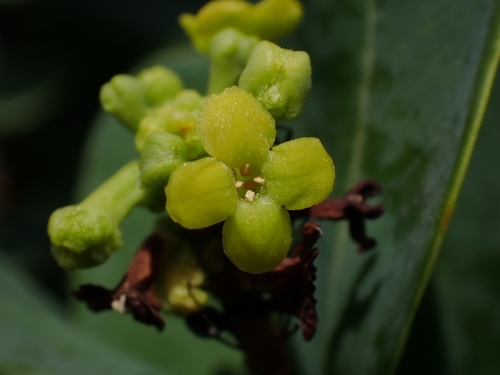
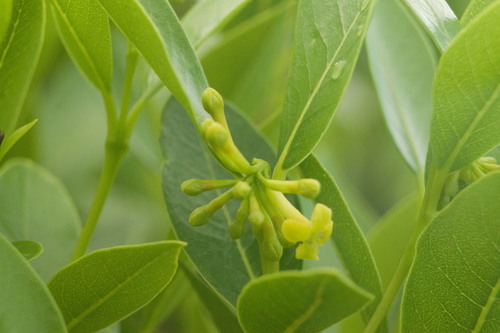
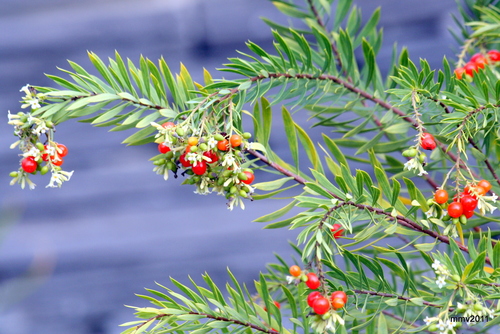
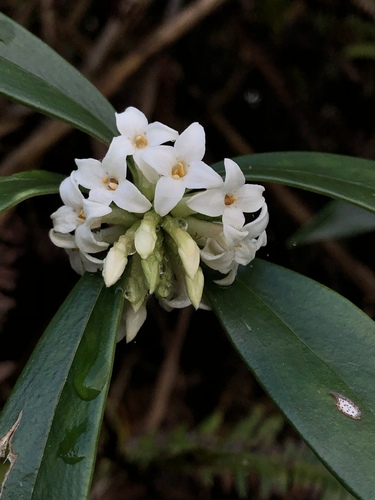
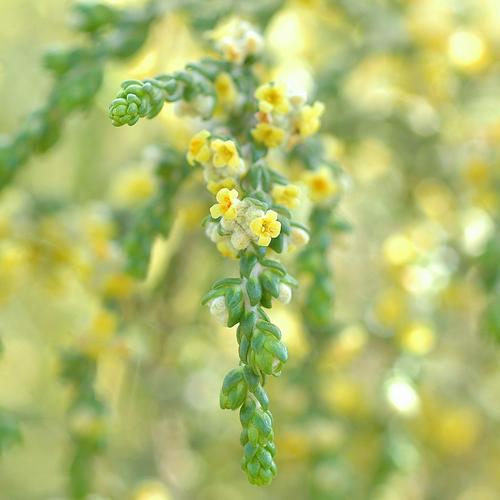
Thymelaea hirsuta (L.) Endl. is known by common names including boalaga in Spanish, bufalaga in Catalan and geolecctal Spanish, mitnan in Arabic, and shaggy sparrow-wort. It is a xerophytic shrub that can reach 2 meters in height, with a root system that can grow as deep as 3.5 meters. A notable feature of this species is that both its leaves and flowers are tiny and fleshy. Like many other species in the Thymelaeaceae family, this plant is toxic, has medicinal properties, and produces strong fiber that is used to make rope and paper. Its distribution is circum-Mediterranean: it grows in dry coastal regions of Southern Europe, Turkey, and desert areas of the Levant and North Africa. In the 13th century, Andalusian physician and botanist Ibn al-Baitar recorded that during his time, the plant’s leaves were used to treat pinworms and skin conditions, as well as being used as a potent hydrogogue cathartic and expectorant. Its bark was used to promote wound healing. Medicinal use of this species continues today: a decoction of its leaves is used as a mouthwash to dislodge carious teeth. Additional uses include remedies for eye diseases and treatments for paralysis. Thymelaea hirsuta also holds value in traditional Bedouin veterinary practice, where it is used as a topical medication to prevent miscarriage in camels. To prepare the treatment, leaves are pounded and mixed with a small amount of salt to create a poultice, which is applied to the camel’s cervix after impregnation. Practitioners believe this treatment causes the organ to contract, preventing abortion of the fetus. Scientific analysis of the plant has provided some support for the effectiveness of this practice: researchers have isolated the phytosterol stigmasterol, which is a precursor of the hormone progesterone, a compound used to treat recurrent abortion in humans.