About Daphne gnidium L.
Species Identification and Growth Form
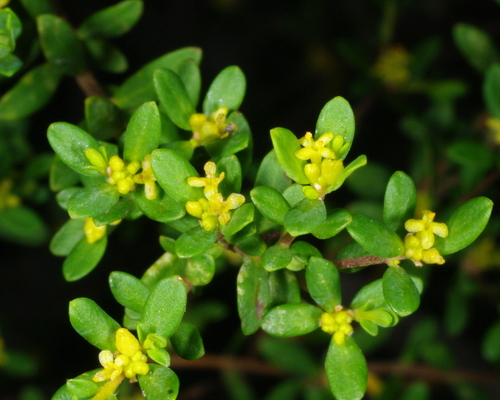
Daphne gnidium L. is an upright branching shrub that reaches a height of 1.5 to 2 meters (4 feet 11 inches to 6 feet 7 inches).
Leaf Characteristics
It has dense, dark green lanceolate leaves with sticky undersides.
Flowering Traits
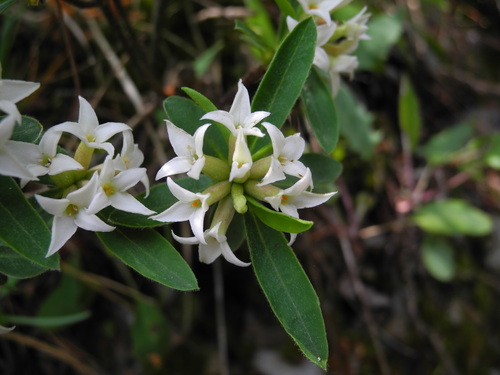
This species produces fragrant white flowers in late spring or early summer.
Fruit Characteristics
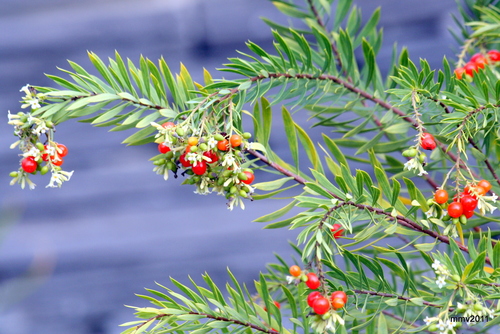
Its fruit is a round red drupe approximately 8 millimeters (0.31 inches) in diameter, which develops during autumn.
Preferred Soil Type
Daphne gnidium grows well in sandy loam.
Habitat Types
It can be found growing in fields, woodlands, garrigues, and hillsides.
Native Range
It is native to the northwestern Mediterranean region, including southern Europe from Portugal east to Greece, and northwestern Africa, including Morocco, Algeria, and Tunisia.
Toxin Content
This plant contains the toxins mezerein and daphnetoxin.
General Toxicity Classification
All parts of the plant are classified as highly poisonous.
Skin Contact Risk
Skin contact with the plant's sap can cause dermatitis.
Consumption Risks
While the chance of death is low, death is possible within six hours of direct consumption. Direct consumption will at minimum cause severe digestive and metabolic reactions, which can also trigger lethal allergic reactions.